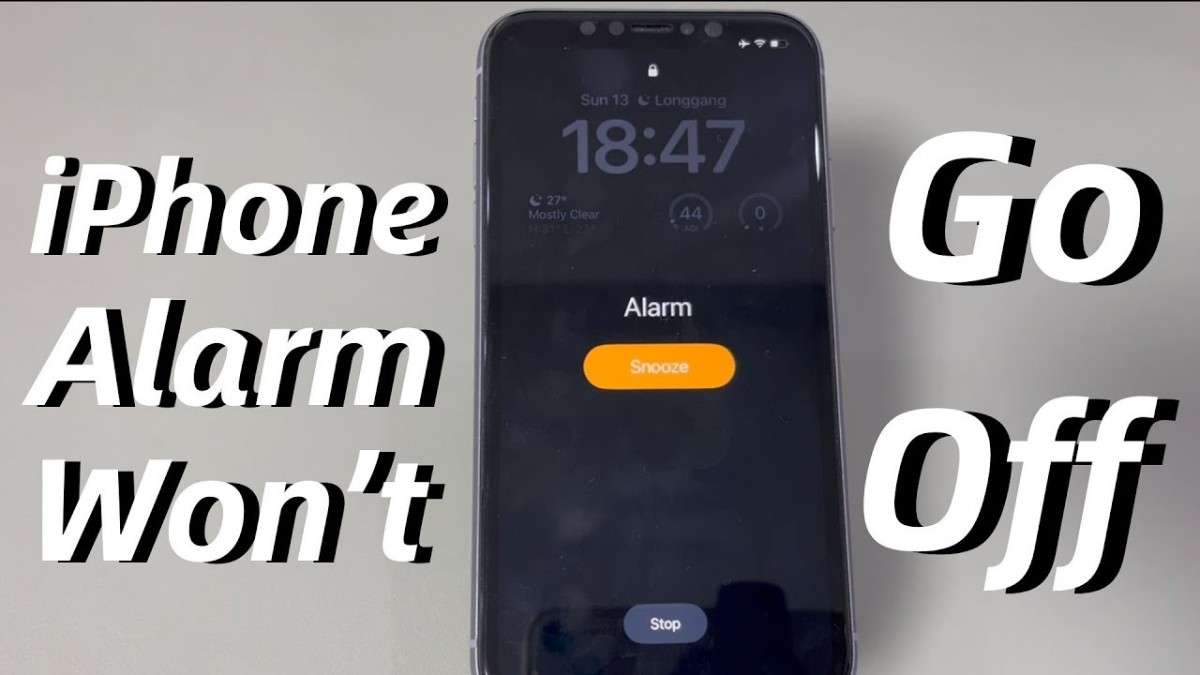
A paramedic finished a late-night shift and set a 5:15 a.m. alarm before going to sleep. The alarm appeared correctly in the Clock app, the phone battery was above 80%, and the device was plugged in overnight. Yet the next morning, the alarm never woke him. Missing work was frustrating, but the situation raised a more serious question: what happens when an iphone alarms not going off before a medical appointment, severe weather event, or home security emergency?
Alarm reliability is something most people take for granted until it fails. Many users depend on their iPhones for much more than waking up. They rely on alarms for medication schedules, emergency preparedness, security monitoring, travel plans, and caregiving responsibilities.
Over the past few years, online forums, support communities, and social media discussions have included numerous reports of iPhone alarms not going off unexpectedly. While many cases involve simple configuration mistakes, others result from software settings, hardware behavior, or overlooked features.
This guide explains why alarms sometimes fail, how to diagnose the problem, and what steps you can take to make your iPhone more reliable during emergencies.
Why iPhone Alarms Matter More Than Most People Realize

Most users associate alarms with waking up. In reality, alarms often support critical daily routines and emergency preparedness.
Everyday Situations That Depend on Reliable Alarms
A missed alarm can disrupt an entire day.
Common examples include:
- Arriving late to work.
- Missing a school exam.
- Missing a flight departure.
- Forgetting medication schedules.
- Missing a virtual meeting.
Consider a traveler catching a 6:00 a.m. flight. A missed alarm could result in hundreds of dollars in additional travel expenses. Likewise, someone taking time-sensitive medication may face health consequences if reminders fail.
Because smartphones have replaced traditional alarm clocks for millions of people, alarm reliability has become increasingly important.
Emergency Situations Where Alarm Failure Can Be Serious
The risks increase significantly during emergencies.
Examples include:
- Monitoring severe weather alerts overnight.
- Waking for emergency caregiving duties.
- Checking home security alerts.
- Managing chronic medical conditions.
- Responding to evacuation warnings.
Imagine a homeowner using an alarm to wake up and verify storm damage after receiving severe weather notifications overnight. If the alarm never sounds, valuable response time may be lost.
For these reasons, concerns about iPhone alarms not going off extend far beyond convenience.
Most Common Reasons for iPhone Alarms Not Going Off

Many alarm failures have surprisingly simple explanations.
Volume Settings Problems
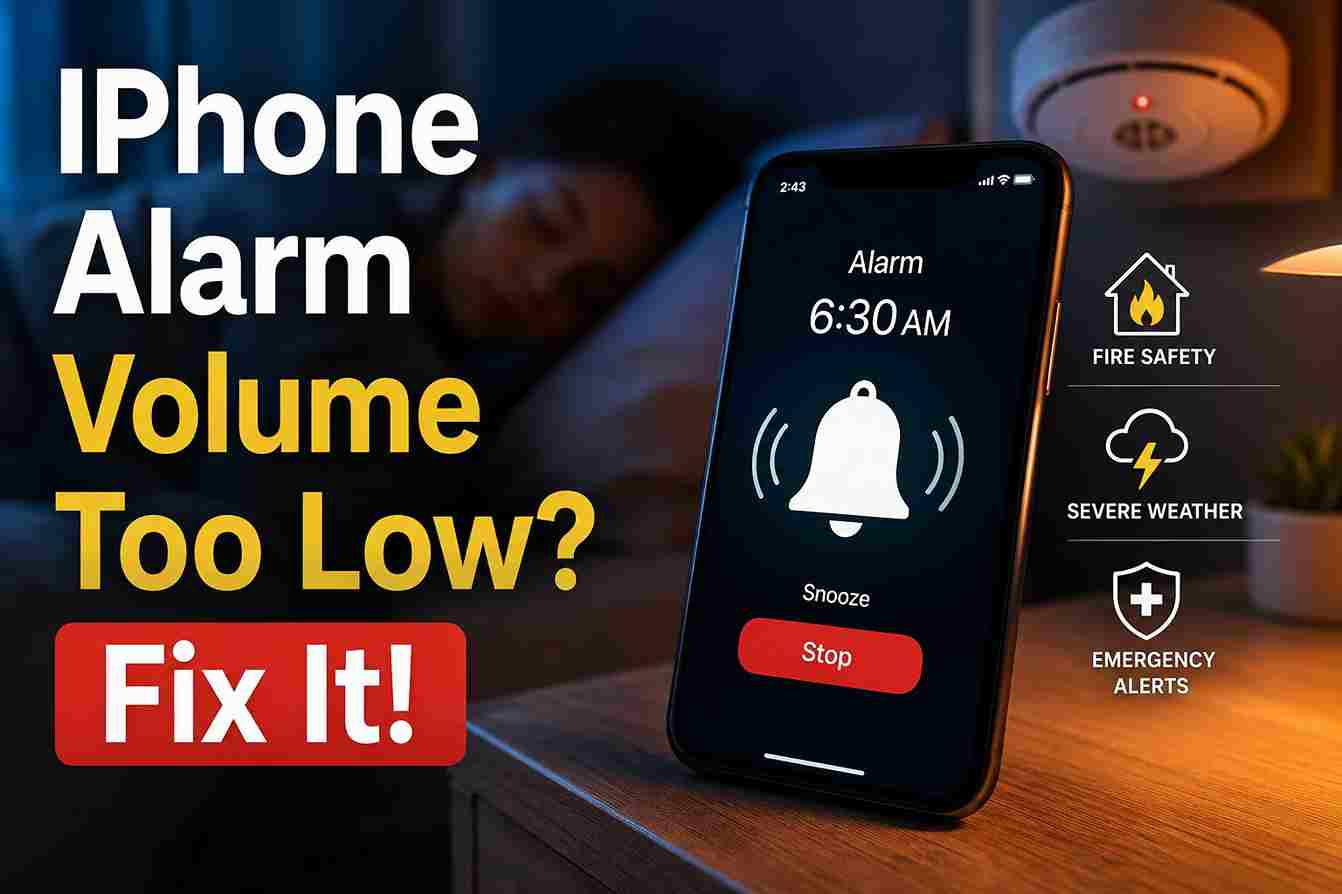
One of the most common causes involves alarm volume settings.
Many users assume alarm volume is completely independent from ringtone settings. While alarms are designed to sound even when Silent Mode is enabled, alarm loudness is still affected by system sound settings. Similar notification issues include the phone not ringing.
Common issues include:
- Accidentally lowering the ringtone volume.
- Enabling “Change with Buttons.”
- Testing alarms at low volume.
- Forgetting previous sound adjustments.
To verify alarm volume:
- Open Settings.
- Select Sounds & Haptics.
- Locate Ringer and Alerts.
- Increase volume.
- Test an alarm immediately.
A surprising number of iPhone alarms not going off reports are actually alarms sounding too quietly.
Attention Aware Features
Face ID-equipped iPhones include Attention Aware Features.
This feature can reduce certain sounds when the phone detects the user is paying attention.
Although designed to improve usability, some users believe alarm volume becomes lower than expected in certain situations.
To check:
- Open Settings.
- Select Face ID & Passcode.
- Enter passcode.
- Review Attention Aware Features.
Testing alarms after changing this setting can help identify whether it contributes to the problem.
Sleep Focus and Sleep Schedule Issues
Sleep features provide convenience but can also create confusion.
Common problems include:
- Multiple overlapping wake-up alarms.
- Incorrect sleep schedules.
- Accidental weekday-only settings.
- Unexpected Focus interactions.
For example, a user may configure a Sleep Schedule alarm and later add a separate Clock app alarm. If one alarm is modified while the other remains active, confusion can occur regarding which alarm is actually scheduled.
Software Bugs and iOS Updates
Software bugs occasionally affect alarm performance.
Examples include:
- Temporary glitches after major iOS updates.
- Clock app synchronization issues.
- Background process errors.
- Cached configuration problems.
While Apple regularly releases fixes, occasional bugs can contribute to reports of iPhone alarms not going off.
A simple device restart often resolves temporary software-related problems.
User Configuration Errors
Many troubleshooting sessions ultimately reveal a setup mistake.
Common examples include:
- Selecting PM instead of AM.
- Choosing the wrong day.
- Disabling Repeat accidentally.
- Turning alarms off while editing settings.
- Setting alarms for future dates unintentionally.
Even experienced users occasionally overlook these details.
How to Diagnose iPhone Alarms Not Going Off Step by Step

A structured troubleshooting process can identify most causes quickly.
Check Alarm Volume
- Open Settings.
- Select Sounds & Haptics.
- Increase Ringer and Alerts volume.
- Disable “Change with Buttons.”
- Test an alarm immediately.
Verify Alarm Settings
Review:
- Time.
- AM/PM selection.
- Repeat schedule.
- Alarm tone.
- Snooze settings.
Small mistakes often create major confusion.
Test Multiple Alarm Times
Create three test alarms:
- One minute ahead.
- Five minutes ahead.
- Ten minutes ahead.
Testing multiple alarms helps isolate configuration issues.
Restart the Device
A restart clears temporary software problems.
Steps:
- Power off the phone.
- Wait 30 seconds.
- Restart the device.
- Test alarms again.
Update iOS
Software updates often contain bug fixes.
To check:
- Open Settings.
- Select General.
- Tap Software Update.
- Install available updates.
Remove and Recreate Alarms
Sometimes alarm data becomes corrupted.
Delete the alarm completely and create a new one rather than editing the existing entry.
This simple fix has resolved many cases involving iPhone alarms not going off.
Can Focus Modes Cause iPhone Alarms Not Going Off?

Many users suspect Focus Modes whenever an alarm fails.
What Focus Modes Actually Affect
Focus Modes primarily control:
- Calls.
- Messages.
- App notifications.
- Visual interruptions.
They are designed to reduce distractions rather than block system alarms.
What Alarms Should You Ignore
Standard Clock app alarms should generally function regardless of:
- Sleep Focus.
- Work Focus.
- Personal Focus.
- Do Not Disturb.
Therefore, Focus Mode is rarely the direct cause of alarm failure.
Situations Where Focus Settings Create Confusion
Confusion often occurs because users assume a Focus Mode caused the problem when another setting was responsible.
Examples include:
- Low alarm volume.
- Misconfigured Sleep Schedule.
- Muted alarm tones.
- Incorrect alarm times.
Understanding these distinctions can simplify troubleshooting considerably.
Hidden Causes Most Users Never Check

Some alarm issues originate from less obvious sources.
Bluetooth Audio Devices
Bluetooth connections occasionally create unexpected behavior.
Examples include:
- AirPods remain connected.
- Bluetooth speakers.
- Vehicle infotainment systems.
- Wireless headphones.
If an audio device remains connected unexpectedly, testing alarms after disconnecting Bluetooth can help isolate the issue.
Third-Party Alarm Apps
Not all alarm applications perform equally.
Third-party apps may depend on:
- Background permissions.
- Battery optimization settings.
- App-specific notifications.
Unlike Apple’s Clock app, some apps can be affected by operating system restrictions.
Corrupted Clock Settings
Rarely, clock settings become inconsistent after updates or device migrations.
Resetting alarms and recreating schedules often resolves these situations.
Time Zone Problems
Automatic time zone changes can create alarm confusion.
Examples include:
- International travel.
- Daylight saving transitions.
- Incorrect location settings.
Checking time zone accuracy is an important troubleshooting step whenever iPhone alarms are not going off becomes a recurring issue.
How to Make Emergency Alarms More Reliable

After troubleshooting the most common causes, the next step is improving reliability. The goal is not simply fixing one missed alarm. Instead, you want a system that continues working even if a single device or setting fails.
Use Multiple Alarm Layers
People who depend on alarms for critical situations rarely rely on one device alone.
A layered approach may include:
- Primary iPhone alarm.
- Smart speaker alarm.
- Dedicated bedside alarm clock.
- Wearable device vibration alarm.
For example, a caregiver responsible for administering medication at 4:00 a.m. might use an iPhone alarm along with a smart speaker backup. If one device experiences a problem, the second alarm provides redundancy.
This approach is common in healthcare, emergency response, and transportation industries, where missed alarms can have serious consequences.
Set Backup Alarms
Many users create a single alarm and assume it will always work.
A better strategy is to create staggered backups.
Example:
- Primary alarm: 5:30 a.m.
- Backup alarm: 5:35 a.m.
- Final backup alarm: 5:45 a.m.
If a user accidentally dismisses the first alarm while half asleep, additional alarms provide protection.
This method can significantly reduce anxiety among users worried about iPhone alarms not going off unexpectedly.
Verify Alarm Function Weekly
Many people never test alarms until they need them.
A weekly test takes less than five minutes.
Checklist:
- Create a temporary alarm.
- Confirm the selected sound plays correctly.
- Verify alarm volume.
- Check Bluetooth connections.
- Review Sleep Schedule settings.
Regular testing helps identify issues before they become serious problems.
Keep iOS Updated

Software updates do more than add new features.
Updates frequently include:
- Bug fixes.
- Stability improvements.
- Security patches.
- Performance enhancements.
If your device is several versions behind, updating may resolve issues that affect alarm behavior.
However, after installing major updates, it’s wise to test alarms manually rather than assuming everything functions perfectly.
Maintain Battery Health
Battery health can indirectly affect device reliability.
While alarms typically work even when battery performance declines, severe battery degradation can contribute to unexpected behavior.
To check battery health:
- Open Settings.
- Tap Battery.
- Select Battery Health & Charging.
If the maximum capacity is significantly reduced, consider evaluating long-term battery replacement options.
Home Security Risks of Missing an Alarm

Many discussions focus on waking up for work. However, alarm reliability can also influence home security.
Missed Security System Notifications
Some homeowners use alarms as reminders to review overnight security activity.
Examples include:
- Checking alarm system logs.
- Reviewing camera footage.
- Confirming door lock status.
- Verifying sensor alerts.
If an alarm fails, security-related tasks may be delayed.
For households managing multiple smart home devices, these routines often become part of daily safety procedures.
Delayed Camera Monitoring

A homeowner might receive overnight motion notifications from a driveway camera.
They may intentionally set an early morning alarm to review recorded footage before leaving for work.
If that alarm never sounds, suspicious activity may go unnoticed until much later in the day.
Although this scenario differs from an emergency siren, delayed awareness can still create security concerns.
Smart Home Automation Failures
Modern homes increasingly rely on schedules and automation.
Examples include:
- Automated door lock verification.
- Garage door status checks.
- Security camera reviews.
- Vacation security routines.
While alarm failures rarely cause automation systems themselves to fail, they can disrupt the human oversight needed to confirm that those systems are functioning correctly.
This is another reason recurring reports of iPhone alarms not going off receive significant attention from homeowners and smart home enthusiasts.
Preventive Checklist for Reliable Emergency Alarms

A simple maintenance routine can prevent most alarm-related problems.
Daily Checks
Before going to bed:
- Confirm alarm time.
- Verify AM/PM selection.
- Check battery level.
- Confirm the charging cable connection.
- Ensure volume remains adequate.
Weekly Checks
Once per week:
- Test alarm sound.
- Review Sleep Schedule settings.
- Verify Focus Mode configuration.
- Disconnect unused Bluetooth devices.
- Confirm software is functioning normally.
Monthly Checks
Once per month:
- Install software updates.
- Review battery health.
- Delete unused alarms.
- Test backup alarms.
- Confirm time zone settings.
Following this checklist significantly reduces the likelihood of future alarm failures.
FAQ

1. Why are my iPhone alarms not going off?
The most common causes include low alarm volume, incorrect alarm settings, Sleep Schedule conflicts, software glitches, Bluetooth-related issues, and user configuration errors.
2. Can Silent Mode stop alarms?
In most situations, no. Standard Clock app alarms are designed to sound even when Silent Mode is enabled. However, low volume settings can still make alarms difficult to hear.
3. Does Focus Mode affect alarms?
Focus Modes primarily control notifications, calls, and messages. Standard alarms should continue functioning regardless of Focus settings.
4. Can Bluetooth devices interfere with alarms?
Bluetooth devices occasionally create confusion regarding audio output. Disconnecting unnecessary Bluetooth accessories during troubleshooting can help determine whether they contribute to the issue.
5. Why is my alarm volume so low?
The Ringer and Alerts volume setting controls alarm loudness. Accidental adjustments are one of the most common causes of perceived alarm failures.
6. Should I use multiple alarms?
Yes. Multiple alarms provide redundancy and reduce the risk of oversleeping due to accidental dismissal, low volume, or user error.
7. Can software updates fix alarm problems?
Yes. Updates often contain bug fixes and performance improvements that may resolve alarm-related issues. Keeping iOS updated is a recommended best practice.
8. How often should alarms be tested?
For critical use cases, weekly testing is ideal. At a minimum, alarms should be tested whenever major settings changes or software updates occur.
Conclusion
Alarm failures often seem mysterious at first. However, most incidents can be traced to identifiable causes such as low volume settings, Sleep Schedule conflicts, Bluetooth connections, software glitches, or simple configuration mistakes.
The good news is that nearly all of these problems can be prevented. Regular testing, proper volume management, software updates, backup alarms, and periodic reviews of device settings dramatically improve reliability.
For users concerned about iPhone alarms not going off, the most effective strategy is treating alarms as an important part of personal safety rather than a set-it-and-forget-it feature. Spend a few minutes reviewing your settings today, test your alarms this week, and build a backup plan for critical situations. Those small steps can make a significant difference when timing matters most.


Leave a Reply