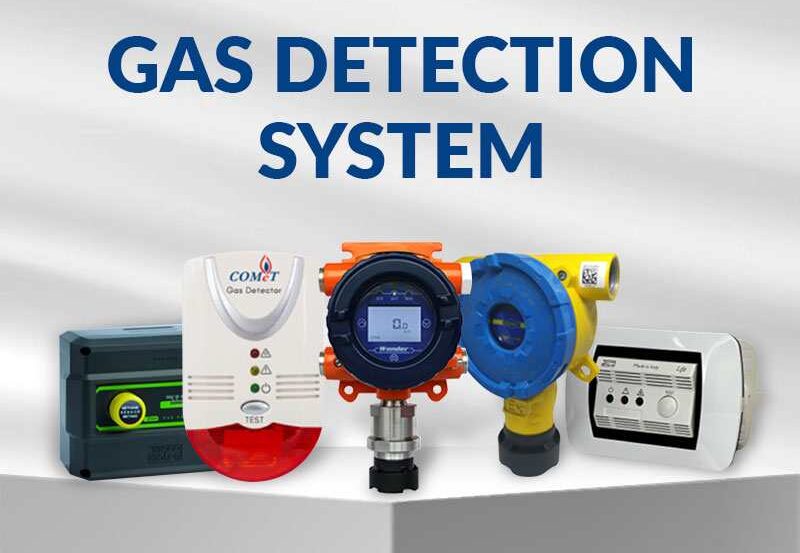
At 2:17 a.m., a homeowner in a quiet suburban neighborhood was jolted awake by a persistent beeping sound from the utility room. At first, there was no smoke, no visible damage, and nothing that suggested an emergency. However, the alert came from a Gas Leak Detection device that had identified a small natural gas leak near the water heater connection. Although the leak had not yet reached dangerous levels, it could have become a serious safety hazard if it had gone unnoticed for a few more hours.
Incidents like this are more common than many homeowners realize. Natural gas and propane power millions of furnaces, stoves, water heaters, and fireplaces, providing reliable energy for everyday living. While these fuel systems are generally safe when installed and maintained correctly, leaks can still occur because of aging pipelines, loose fittings, appliance failures, corrosion, or improper installation.
One of the biggest concerns is that gas leaks do not always produce immediate warning signs. Some develop gradually, allowing combustible gas to accumulate over time before anyone notices an odor or experiences physical symptoms. As a result, early detection has become a critical part of modern home safety.
Homeowners now have several options for protecting their property, from affordable standalone gas detectors to smart sensors that send instant smartphone alerts and professionally monitored systems that provide continuous protection. Each solution differs in features, response capabilities, installation requirements, and long-term cost.
This guide explains how today’s gas leak detection technologies work, compares the most popular options, and helps you choose the right solution based on your home’s layout, fuel sources, and overall safety needs.
Why Gas Leaks Are More Dangerous Than Many Homeowners Realize

Many people associate home safety risks with smoke, fire, or burglary. Gas leaks often receive less attention because they occur less frequently. However, when they do occur, the consequences can be severe.
Common Causes of Residential Gas Leaks
Residential gas systems contain numerous connection points that can eventually develop problems.
Common causes include:
- Aging gas pipes
- Corroded fittings
- Loose appliance connections
- Improper installation work
- Damaged flexible gas lines
- Faulty furnace components
- Water heater connection failures
In older homes, corrosion can weaken metal piping over time. Even newer homes can experience leaks if contractors fail to tighten fittings correctly during appliance installation.
Gas-powered ranges, dryers, fireplaces, furnaces, and water heaters all introduce potential leak points that should be monitored.
Warning Signs of a Gas Leak
Utility companies add mercaptan, a sulfur-like chemical, to natural gas because natural gas itself is odorless.
Common warning signs include:
- Rotten egg smell
- Hissing sounds near pipes
- Dead grass or vegetation above buried lines
- Unusual bubbling in standing water
- Dizziness
- Headaches
- Nausea
- Fatigue
The problem is that not every leak produces strong warning signs. Small leaks may generate only a faint odor that occupants fail to notice.
Additionally, individuals who are asleep, away from home, or have a reduced sense of smell may not recognize a leak until concentrations increase significantly.
Why Early Detection Matters
Natural gas becomes combustible when it accumulates within a certain concentration range in enclosed spaces.
Potential consequences include:
- Fires
- Explosions
- Carbon monoxide-related hazards from appliance malfunctions
- Structural damage
- Costly repairs
- Temporary displacement from the home
According to fire safety organizations, gas-related incidents contribute to thousands of residential fires and emergency responses each year.
The primary goal of gas leak detection systems is to identify dangerous conditions before they reach those critical stages.
Understanding Modern Gas Leak Detection Technologies

Several sensor technologies are used in residential gas detectors. Each operates differently and offers unique advantages.
Semiconductor Sensors
Semiconductor sensors are among the most common technologies found in consumer gas detectors.
How they work:
The sensor contains a heated semiconductor material that changes electrical resistance when exposed to gas molecules.
Advantages:
- Affordable
- Widely available
- Good sensitivity
- Suitable for residential use
Limitations:
- Can react to multiple gases
- May produce occasional false alarms
- Performance can vary with humidity
Many entry-level residential detectors rely on semiconductor technology because it balances cost and effectiveness.
Electrochemical Sensors
Electrochemical sensors detect gases through chemical reactions occurring within the sensing element.
How they work:
Target gases interact with electrodes inside the sensor, generating an electrical signal proportional to gas concentration.
Advantages:
- High sensitivity
- Good selectivity
- Lower false alarm rates
Limitations:
- Higher cost
- Limited sensor lifespan
- Periodic replacement requirements
These sensors are often found in higher-end safety equipment.
Catalytic Bead Sensors
Catalytic bead technology has been used in industrial safety applications for decades.
How they work:
Combustible gases oxidize on a heated catalytic surface, creating measurable temperature changes.
Advantages:
- Reliable combustible gas detection
- Proven technology
- Effective for multiple fuel gases
Limitations:
- Requires regular calibration
- Consumes more power
- Sensor contamination can affect performance
Catalytic bead sensors remain common in professional-grade monitoring systems.
Infrared Gas Sensors
Infrared technology represents one of the most advanced forms of residential gas sensing.
How they work:
Gas molecules absorb specific wavelengths of infrared light. The detector measures these absorption patterns to identify gas concentrations.
Advantages:
- Excellent accuracy
- Minimal drift
- Long operational lifespan
- Low maintenance
Limitations:
- Higher purchase cost
- More complex electronics
Premium smart safety systems increasingly incorporate infrared sensing because of its reliability.
| Technology | Typical Accuracy | Maintenance Needs | Cost Range | Best Use Case |
| Semiconductor | Moderate to High | Low | Low | General residential use |
| Electrochemical | High | Moderate | Medium | Enhanced accuracy |
| Catalytic Bead | High | Moderate | Medium to High | Professional monitoring |
| Infrared | Very High | Low | High | Premium smart safety systems |
Gas Leak Detection Sensors: Strengths and Weaknesses

The type of detector installed often matters as much as the sensing technology itself.
Standalone Gas Detectors
Standalone detectors operate independently without requiring internet connectivity.
Installation:
- Plug-in or wall-mounted
- Minimal setup
Typical cost:
- $25 to $80
Reliability:
- Generally reliable for local alerts
Ideal homeowner:
- Budget-conscious homeowners seeking basic protection
The main limitation is that alerts are only heard by occupants who are physically present.
Plug-In Gas Sensors
Plug-in detectors connect directly to electrical outlets.
Installation:
- Very simple
- No professional assistance required
Typical cost:
- $30 to $100
Reliability:
- Consistent power supply
- No battery replacement concerns
Ideal homeowner:
- Apartments
- Condominiums
- Smaller homes
Many homeowners begin their gas leak detection strategy with one or two plug-in detectors placed near major appliances.
Battery-Powered Detectors
Battery-powered models provide flexible placement options.
Installation:
- No outlet required
- Portable deployment
Typical cost:
- $30 to $120
Reliability:
- Dependent on battery maintenance
Ideal homeowner:
- Vacation properties
- Utility rooms
- Detached structures
Regular battery testing remains essential.
Hardwired Detection Systems
Hardwired systems are permanently connected to a home’s electrical system and are commonly found in larger residences or professionally designed safety systems.
Installation:
- Typically requires professional installation
- May integrate with security systems
- Often includes battery backup
Typical cost:
- $150 to $1,000+ depending on system size
Reliability:
- Excellent long-term reliability
- Continuous power availability
- Reduced risk of accidental disconnection
Ideal homeowner:
- Large homes
- New construction projects
- Homeowners seeking comprehensive protection
For households with multiple gas appliances, hardwired gas leak detection systems often provide the most consistent coverage.
Smart Gas Leak Detection Systems Explained

Smart home technology has transformed how homeowners monitor safety risks. Modern gas alarms can do much more than sound a local siren.
How Smart Gas Alarms Work
Smart gas alarms combine traditional sensing technology with wireless communication.
When gas concentrations exceed a predefined threshold, the device can:
- Trigger a local alarm
- Send smartphone notifications
- Activate connected devices
- Alert monitoring services
This immediate communication helps homeowners respond quickly, even when they are away from home.
Smartphone Notifications
One of the biggest advantages of smart systems is remote awareness.
For example, imagine a family on vacation 300 miles from home. A traditional detector might sound an alarm that nobody hears. A smart detector, however, can immediately send an alert to every family member’s phone.
Most smart systems provide:
- Real-time notifications
- Event history logs
- Sensor status updates
- Low-battery alerts
- Maintenance reminders
As a result, homeowners gain visibility into potential problems regardless of their location.
Smart Home Integration
Many smart gas alarms integrate with broader smart home ecosystems.
Popular platforms include:
- Home Assistant
- SmartThings
- Amazon Alexa
- Google Home
Integration creates useful automation opportunities.
Examples include:
- Turning on smart lights during an alarm.
- Sending alerts to multiple household members.
- Triggering ventilation systems.
- Activating indoor cameras automatically.
These automations can improve response times during emergencies.
Automatic Shutoff Valve Integration
Some advanced systems include motorized gas shutoff valves.
When dangerous gas levels are detected, the system can automatically stop gas flow before occupants even arrive home.
Benefits include:
- Reduced leak duration
- Lower explosion risk
- Faster emergency response
- Increased protection for vacant homes
Although these systems cost more initially, many homeowners consider automatic shutoff functionality one of the most valuable safety upgrades available.
Professional Monitoring vs DIY Gas Leak Detection

The next decision involves determining whether alerts should be monitored personally or by a professional service.
What Professional Monitoring Includes
Professional monitoring services typically operate 24 hours per day.
When an alarm activates, monitoring personnel may:
- Verify alarm events
- Contact homeowners
- Dispatch emergency services when appropriate
- Escalate incidents according to predefined procedures
This added layer of oversight can be especially valuable for high-risk properties.
Advantages of Professional Monitoring
Professional monitoring offers several benefits.
Advantages include:
- Continuous oversight
- Faster emergency escalation
- Backup protection during travel
- Support for elderly homeowners
- Reduced dependence on smartphone notifications
For vacation homes or rental properties, monitoring can significantly improve safety coverage.
Limitations of Professional Monitoring
Monitoring is not perfect.
Potential drawbacks include:
- Monthly subscription fees
- Dependence on communication networks
- Contract requirements with some providers
- Higher long-term costs
A homeowner may spend $15 to $40 per month depending on service features.
When DIY Monitoring Is Enough
DIY monitoring can be highly effective in certain situations.
It often works well when:
- Occupants are frequently home.
- The property is small.
- Smart notifications are reliable.
- Family members actively monitor alerts.
For many households, smart alarms combined with mobile notifications provide sufficient protection.
| Feature | DIY Monitoring | Professional Monitoring |
| Upfront Cost | Lower | Higher |
| Monthly Fees | Usually none | Ongoing subscription |
| Remote Alerts | Yes | Yes |
| Emergency Dispatch | User responsibility | Monitoring center assistance |
| Vacation Home Protection | Moderate | Excellent |
| Oversight 24/7 | No | Yes |
Which Gas Leak Detection Technology Is Most Accurate?

Accuracy is often the first question homeowners ask when evaluating detectors.
Accuracy Comparisons
In general:
- Semiconductor sensors provide good residential performance.
- Electrochemical sensors offer improved selectivity.
- Catalytic bead sensors perform well for combustible gases.
- Infrared sensors deliver some of the highest accuracy levels available.
However, accuracy alone does not determine overall effectiveness.
A highly accurate detector placed incorrectly may perform worse than a less sophisticated detector installed in the proper location.
False Alarm Rates
False alarms can create frustration and reduce trust in a system.
Common causes include:
- Cleaning chemicals
- Solvents
- Aerosol sprays
- Paint fumes
- Strong cooking odors
Higher-quality detectors generally include filtering mechanisms that reduce nuisance alerts.
Environmental Factors
Several environmental conditions influence sensor performance.
Humidity
Excessive humidity can affect certain semiconductor sensors.
Temperature
Extreme temperatures may impact sensor sensitivity and response speed.
Airflow
Strong airflow can disperse gas concentrations before detection occurs.
Cooking Fumes
Gas stoves sometimes create conditions that resemble leak signatures, particularly in kitchens with poor ventilation.
For this reason, proper placement is just as important as sensor quality.
Best Gas Leak Detection Setup for Different Homes

Every property has unique monitoring requirements.
Apartments
Recommended setup:
- One plug-in detector near gas appliances
- Smart notification capability
- Battery backup
Because apartments are smaller, a single well-positioned detector often provides adequate coverage.
Single-Family Homes
Recommended setup:
- Multiple detectors
- Smart alarm integration
- Monitoring of utility rooms and kitchens
This approach balances affordability and protection.
Large Homes
Recommended setup:
- Multiple sensing zones
- Hardwired devices
- Smart notifications
- Automatic shutoff valve integration
Larger floor plans require broader coverage to ensure leaks are detected quickly.
Vacation Properties
Recommended setup:
- Smart alarms
- Cellular backup connectivity
- Professional monitoring
Remote properties benefit significantly from off-site monitoring because occupants are often absent for extended periods.
A layered gas leak detection strategy is usually the best choice for seasonal residences.
Common Mistakes People Make

Even the best equipment cannot compensate for poor installation or maintenance practices.
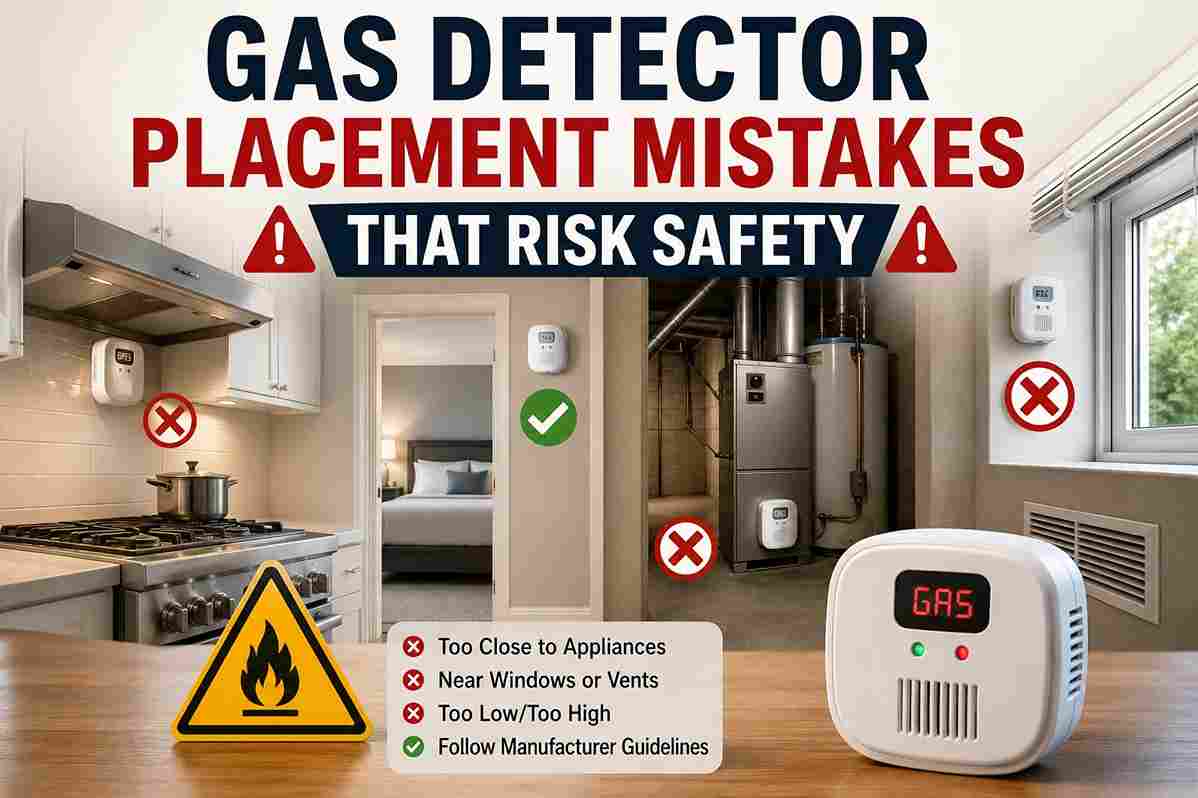
Installing Detectors Too Far From Appliances
Distance reduces effectiveness.
Solution:
Follow manufacturer placement guidelines and install detectors near likely leak sources.
Ignoring Maintenance Schedules
Sensors can degrade over time.
Solution:
Follow recommended replacement intervals and testing schedules.
Assuming Smell Alone Is Enough
Many people rely solely on the odor of natural gas.
Solution:
Use detectors because smell perception varies among individuals and circumstances.
Not Testing Devices
Untested devices may fail when needed most.
Solution:
Perform monthly functionality tests and annual inspections.
Using Outdated Detectors
Older detectors may lose sensitivity.
Solution:
Replace units according to manufacturer recommendations, often every 5 to 10 years.
Choosing the Right Gas Leak Detection Solution

The best solution depends on individual circumstances.
Budget Considerations
Entry-level:
- Plug-in detectors
Mid-range:
- Smart gas alarms
Premium:
- Monitored systems with shutoff valves
Home Size
Smaller homes often require fewer devices, while larger homes benefit from multiple monitoring zones.
Risk Tolerance
Families seeking maximum protection may prefer monitored systems with automated response capabilities.
Smart Home Adoption
Homeowners already using smart home platforms often gain additional value from integrated gas alarms.
Remote Monitoring Needs
Frequent travelers should strongly consider systems capable of sending alerts away from home.
Homeowner Checklist
Choose your solution based on:
- Number of gas appliances
- Home size
- Occupancy patterns
- Vacation frequency
- Budget
- Smart home ecosystem
- Desire for professional oversight
FAQ
What is the best gas leak detector for homeowners?
There is no single best option for every household. Smart detectors with mobile notifications offer an excellent balance of protection, convenience, and affordability for most homeowners.
Are smart gas detectors worth the extra cost?
For many households, yes. Remote notifications provide awareness when nobody is home, which significantly improves overall protection.
Can gas detectors detect propane and natural gas?
Many detectors support both fuel types, but homeowners should always verify compatibility before purchasing.
How often should gas detectors be replaced?
Most residential detectors require replacement every 5 to 10 years, depending on manufacturer recommendations.
Do gas detectors require calibration?
Some advanced detectors require periodic calibration. Consumer-grade models often rely on scheduled replacement instead.
Where should gas leak detectors be installed?
Install detectors near gas appliances and follow manufacturer instructions regarding height and placement because natural gas and propane behave differently.
Can a smart detector automatically shut off gas?
Yes. Some advanced systems integrate with automatic shutoff valves that stop gas flow when dangerous levels are detected.
Is professional monitoring necessary?
Not always. Many homeowners achieve excellent protection with smart alarms. However, professional monitoring adds a layer of safety for larger homes and vacation properties.
Conclusion
Gas leaks remain one of the most serious yet often overlooked household hazards. While natural gas and propane provide efficient energy for heating and cooking, even a small leak can create significant safety risks if it goes undetected.
Today’s homeowners have more options than ever before. Standalone detectors offer affordable protection, smart alarms provide remote visibility, and professional monitoring delivers continuous oversight. Each approach has strengths, and the right solution depends on factors such as budget, home size, travel habits, and desired level of protection.
The most effective gas leak detection strategy combines proper sensor placement, routine maintenance, and reliable alerting methods. Whether you choose a simple detector or a fully monitored smart system, early detection remains the key to preventing property damage, reducing safety risks, and protecting the people inside your home.




Leave a Reply