A homeowner in a 1,500-square-foot house who installed a new residential fire alarm system in early 2026 spent roughly $1,400 for equipment, labor, and testing. Meanwhile, a larger two-story property with smart monitoring features paid closer to $4,500. Those numbers highlight why understanding fire alarm system installation costs before requesting quotes can save both money and frustration. Regulations continue to evolve, smart-home technology is becoming standard, and insurance providers increasingly favor interconnected systems. Knowing what affects pricing and what requirements apply to your home helps you make better decisions from the start.
Understanding Fire Alarm System Installation Basics

A fire alarm system is designed to detect signs of fire and warn occupants as quickly as possible. While many people think a smoke detector and a fire alarm system are the same thing, there are significant differences.
What Is a Fire Alarm System?
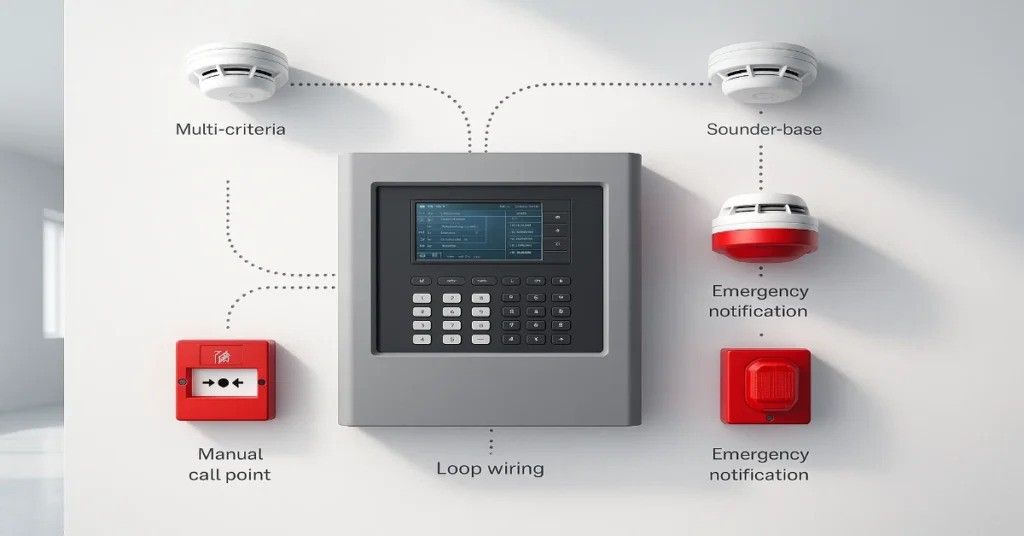
A complete home fire alarm system typically includes:
- Smoke detectors
- Heat detectors
- Alarm sounders
- Control panel
- Backup power source
- Communication devices for monitoring
The system continuously monitors the home. When smoke, heat, or combustion particles are detected, alarms activate and alert occupants immediately.
Components Involved in Fire Alarm System Installation
A properly designed residential fire alarm system contains multiple components working together.
Smoke detectors identify airborne particles associated with fire. Heat detectors respond when temperatures rise beyond safe limits. Alarm horns and sirens notify occupants, while backup batteries keep the system operational during power outages.
More advanced systems may include:
- Mobile app connectivity
- Voice evacuation messages
- Emergency monitoring services
- Smart home integration
Unlike standalone detectors, a complete home fire safety system creates a network that communicates throughout the property.
Fire Alarm System Installation Costs

Costs vary considerably depending on home size, system complexity, and local code requirements.
Average Fire Alarm System Installation Costs by Home Size
Small homes under 1,200 square feet typically spend:
- Equipment: $300–$800
- Labor: $250–$700
- Total: $550–$1,500
Medium homes between 1,200 and 2,500 square feet generally spend:
- Equipment: $700–$1,800
- Labor: $600–$1,500
- Total: $1,300–$3,300
Large homes over 2,500 square feet often spend:
- Equipment: $1,500–$4,000
- Labor: $1,200–$3,000
- Total: $2,700–$7,000
Luxury properties with extensive automation may exceed $10,000.
Hidden Expenses in Fire Alarm System Installation
Many homeowners focus only on equipment costs and overlook additional expenses.
Potential costs include:
- Permit fees: $50–$500
- Inspection fees: $100–$300
- Monitoring subscriptions: $10–$50 monthly
- Battery replacements
- Annual maintenance visits
- Wiring upgrades
For example, an older two-story house requiring electrical modifications could add $1,000 or more to the final project cost.
Factors That Influence Fire Alarm System Installation Pricing

Not every home requires the same design. Several variables directly affect installation costs.
Home Size and Layout Considerations
Larger homes require more detectors, more wiring, and more labor hours.
A simple single-story layout is generally less expensive than a property with:
- Multiple floors
- Finished basements
- Attics
- Detached garages
Each additional protected area increases material and installation requirements.
Smart Technology and Fire Alarm System Installation
Smart systems have become increasingly popular in 2026.
Features may include:
- Smartphone alerts
- Remote diagnostics
- Voice assistant compatibility
- Security system integration
- Cloud-based monitoring
Adding these capabilities can increase project costs by $300 to $2,000 depending on complexity. However, many homeowners find the convenience worthwhile, especially when traveling.
Fire Alarm System Installation Requirements for Homes

Meeting code requirements is just as important as selecting the right equipment.
Detector Placement Requirements
Most residential fire protection requirements call for smoke alarms:
- Inside every bedroom
- Outside sleeping areas
- On every floor
- Near stairways
- In finished basements
Placement matters because delayed detection can significantly increase fire damage and risk to occupants.
Detectors should generally be installed away from HVAC vents and areas with excessive moisture.
Power Supply and Interconnection Rules
Modern residential codes increasingly require interconnected alarms.
When one detector activates, all alarms throughout the home sound simultaneously.
Requirements often include:
- Primary electrical power
- Battery backup
- Approved communication between detectors
Hardwired fire alarms typically satisfy these requirements more easily than older standalone battery-operated units.
Comparing Wireless and Hardwired Fire Alarm System
Both system types have advantages depending on the home and budget.
Wireless Fire Alarm Systems

A wireless fire alarm system uses radio communication instead of extensive wiring.
Advantages:
- Faster installation
- Lower labor costs
- Easier upgrades
- Less disruption to walls
Disadvantages:
- Battery maintenance
- Potential signal limitations
- Higher equipment costs
Wireless solutions work especially well in existing homes where running new wires would be difficult.
Hardwired Fire Alarm Systems

Hardwired systems connect directly to the home’s electrical infrastructure.
Advantages:
- Reliable communication
- Stable power source
- Lower battery dependency
- Long-term durability
Disadvantages:
- Higher installation labor
- More invasive installation
- Increased retrofit costs
For new construction projects, hardwired systems often provide the best long-term value.
Smart Home Trends and Fire Alarm System Installation

Technology continues to reshape residential fire safety.
Mobile Alerts and Remote Monitoring
Many homeowners now expect real-time notifications.
If smoke is detected while you’re away, the system can send alerts directly to your smartphone.
Benefits include:
- Faster response
- Greater awareness
- Reduced property damage
- Improved family safety
Professional fire alarm monitoring services can also notify emergency responders when alarms activate.
Integration With Security Systems
Modern systems increasingly combine:
- Intrusion detection
- Video surveillance
- Environmental sensors
- Fire detection
A smart-home installation scenario might include smoke detection triggering indoor cameras and sending alerts to multiple family members simultaneously.
This integrated approach improves overall property protection while simplifying management through a single app.
Choosing a Professional for Fire Alarm System Installation

The installer you choose can have a major impact on system performance.
Certifications and Qualifications to Look For
Ask installers about:
- Licensing
- Insurance coverage
- Industry certifications
- Local code experience
- Manufacturer training
Qualified professionals understand current residential fire safety standards and can recommend appropriate equipment.
Questions and Red Flags
Questions to ask:
- What warranties are included?
- Are permits handled?
- Will testing be provided?
- Is maintenance available?
Warning signs include:
- Extremely low quotes
- No written estimates
- Lack of certifications
- Refusal to discuss inspections
A reputable contractor should clearly explain every stage of the project.
Common Mistakes During Fire Alarm System Installation Projects

Many homeowners make avoidable errors that reduce effectiveness.
Mistakes That Increase Costs
Common examples include:
- Choosing systems based solely on price
- Ignoring future expansion needs
- Skipping professional design
- Underestimating maintenance expenses
A homeowner may save $200 initially but spend much more correcting deficiencies later.
Safety Mistakes Homeowners Often Make
Safety-related mistakes include:
- Improper detector placement
- Disabling nuisance alarms
- Failing to replace batteries
- Ignoring inspection recommendations
Even the most advanced equipment cannot protect occupants if it is poorly maintained.
Next Steps After Planning Your Fire Alarm System Installation

Once you’ve determined your budget and requirements, follow a structured process.
Step-by-Step Action Plan
- Measure your home’s square footage.
- Identify the number of floors.
- Review local building requirements.
- Decide between wireless and hardwired systems.
- Determine whether monitoring is needed.
- Request at least three written estimates.
- Compare equipment specifications.
- Verify licensing and certifications.
- Schedule installation.
- Complete testing and inspection.
Maintaining Your System After Installation
Ongoing maintenance helps ensure long-term reliability.
Recommended tasks include:
- Monthly alarm testing
- Annual professional inspections
- Battery replacement as needed
- Detector cleaning
- Monitoring service reviews
Regular maintenance helps identify problems before an emergency occurs.
Frequently Asked Questions
How much does a residential fire alarm system cost in 2026?
Most homeowners spend between $550 and $7,000 depending on home size, system type, and monitoring options. Small homes often remain below $1,500, while larger properties with smart features can exceed $5,000.
How long does Fire Alarm System Installation usually take?
Most residential installations take between one day and three days. Larger homes or projects requiring significant wiring upgrades may take longer.
Are smart fire alarm systems worth the extra cost?
Many homeowners find value in remote alerts, smartphone access, and integration with security systems. These features can improve awareness and response times.
Can I install a fire alarm system myself?
Basic smoke detector installation may be possible for experienced homeowners. However, complete systems requiring wiring, code compliance, and inspections are generally best handled by licensed professionals.
Do fire alarm systems reduce insurance premiums?
Some insurers offer discounts for monitored or interconnected systems. Savings vary by provider and policy type.
What is the difference between smoke detectors and a fire alarm system?
Smoke detectors are individual devices. A fire alarm system connects multiple devices through a central network that provides coordinated alerts and enhanced protection.
How often should a fire alarm system be inspected?
Annual inspections are common recommendations. Some monitoring providers also offer maintenance programs to simplify compliance and upkeep.
Are wireless systems reliable?
Modern wireless systems are highly reliable when professionally installed. Battery maintenance remains essential for continued performance.
Conclusion
For homeowners planning a fire alarm system installation, understanding costs, code requirements, and available technologies is the best way to avoid unexpected expenses. A small home may need only a modest investment, while larger properties often benefit from advanced monitoring and smart integration features. Start by assessing your home’s layout, reviewing local regulations, and collecting multiple quotes from qualified professionals. Taking those steps now will help you build a safer, more reliable fire protection system that serves your household well for years to come.



Leave a Reply