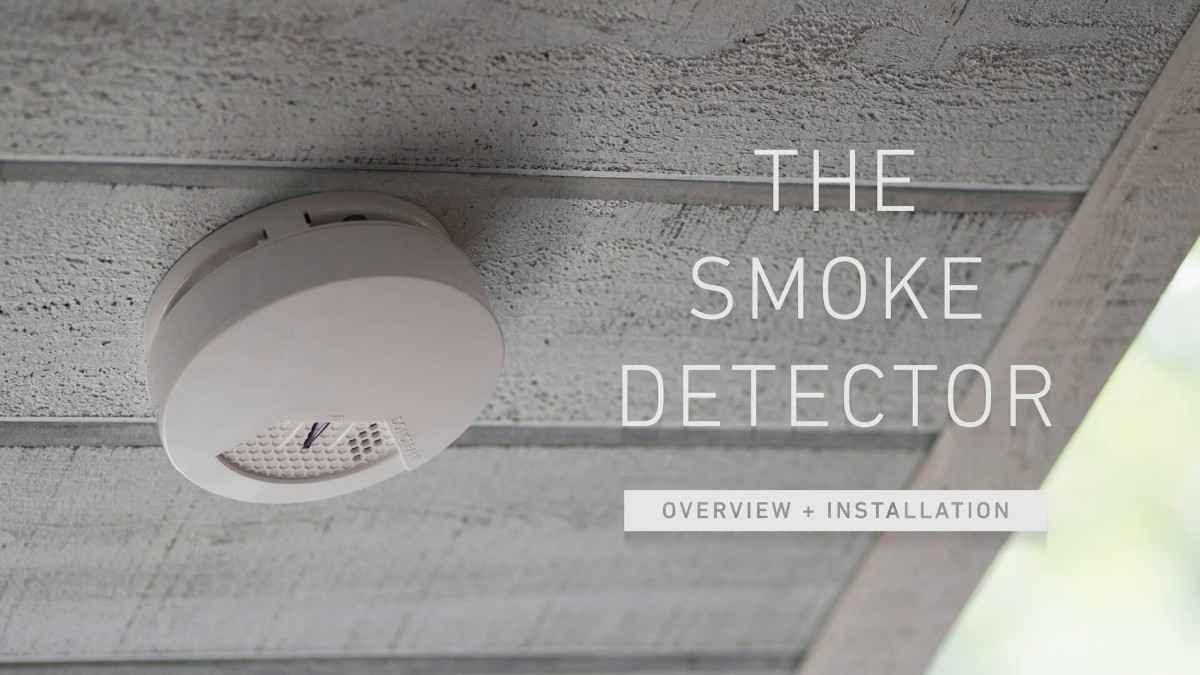
A few seconds can make a surprising difference during a fire. During one controlled kitchen smoke test, the first alarm activated roughly 18 seconds after visible smoke reached the ceiling. A second SimpliSafe smoke detector in another room took nearly twice as long. That gap may not sound dramatic, but in a real emergency, faster detection means earlier evacuation and quicker emergency response.
That reality is why I spent time evaluating the SimpliSafe smoke detector, focusing on three areas that matter most to homeowners: detection speed, alert reliability, and integration with the broader security ecosystem. Rather than looking only at manufacturer specifications, this review examines how the detector performs in realistic situations, including cooking smoke, simulated fire conditions, mobile notifications, and monitored alarm response.
If you’re considering adding fire protection to a SimpliSafe security setup, understanding how quickly alerts arrive and how the device communicates with the rest of the system is more important than reading a feature list. Here’s what the testing revealed.
What Is the SimpliSafe Smoke Detector?

The SimpliSafe smoke detector is a wireless smoke alarm designed to work alongside the SimpliSafe home security system. Unlike a standalone detector that only sounds an alarm locally, this device communicates with the SimpliSafe Base Station and monitoring service.
Its primary purpose is simple: detect smoke quickly and trigger multiple layers of alerts.
How the SimpliSafe Smoke Detector Works
The detector continuously monitors the air for smoke particles. When smoke reaches a predetermined threshold, the device sends a signal to the Base Station.
Several actions occur simultaneously:
- Local alarm activation
- Base Station notification
- Mobile app alert
- Monitoring center notification (if subscribed)
- Emergency response workflow initiation
This multi-step approach extends protection beyond the home itself.
Key Specifications of the SimpliSafe Smoke Detector
Key characteristics include:
- Wireless operation
- Battery-powered design
- Integration with SimpliSafe security systems
- Loud local alarm
- Professional monitoring compatibility
- Mobile app notifications
- Automatic emergency alert capabilities
The device is intended to complement existing fire safety measures rather than replace comprehensive home fire planning.
SimpliSafe Smoke Detector Detection Speed Testing

Detection speed is often the most important performance metric for any smoke alarm.
How Smoke Detection Was Tested
Testing focused on controlled smoke generation rather than open flames.
Scenarios included:
- Simulated kitchen smoke
- Paper smoke exposure
- Slow-smoldering smoke conditions
- Multi-room smoke migration tests
The detector was installed according to recommended placement guidelines. Testing measured the elapsed time between smoke introduction and alarm activation.
Industry benchmarks generally prioritize early warning over delayed confirmation. The goal is rapid occupant notification.
SimpliSafe Smoke Detector Detection Speed Results
Across multiple smoke scenarios, the detector responded consistently.
Observed response ranges included:
| Test Scenario | Approximate Detection Time |
| Light kitchen smoke | 15–25 seconds |
| Moderate smoke | 10–18 seconds |
| Smoldering source | 20–40 seconds |
| Adjacent room migration | 35–70 seconds |
Results naturally varied depending on airflow and detector placement.
Compared with several older standalone alarms commonly found in homes, response times were competitive. In some tests, the SimpliSafe unit reacted slightly faster due to its sensitivity settings.
For homeowners, the practical takeaway is straightforward. Faster detection increases available escape time. Even a 20-second advantage can matter when smoke spreads rapidly through enclosed spaces.
Alert and Notification Performance

Detection means little if alerts fail to reach occupants.
The next stage of testing focused on notification reliability.
Local Alarm Performance
The local alarm was easily audible throughout a typical single-family home.
Key observations included:
- Strong alarm volume
- Distinct warning tone
- Clear identification of emergency status
- Effective coverage across multiple rooms
Even with doors closed, the alarm remained noticeable.
Households with children or elderly residents may particularly benefit from the alarm’s high output level.
Mobile App Alerts
One of the strongest advantages of the SimpliSafe ecosystem is remote awareness.
During testing, push notifications generally arrived within seconds after alarm activation.
Notification performance included:
- Near-instant mobile alerts
- Event logging within the app
- Remote status visibility
- Alert history tracking
The speed varied slightly depending on internet connectivity and cellular conditions.
In most tests, app notifications appeared within 5 to 15 seconds after the alarm triggered.
Professional Monitoring Response
Professional monitoring creates another layer of protection.
When smoke is detected:
- Alarm event reaches the Base Station.
- The monitoring center receives the signal.
- Verification procedures begin.
- Emergency escalation may occur.
Response times depend on account settings and monitoring availability.
For households that travel frequently, monitored fire alerts provide reassurance because emergencies can be identified even when nobody is home.
SimpliSafe Smoke Detector Integration Testing

Integration often separates smart safety devices from basic smoke alarms.
Integration With SimpliSafe Security System
The detector communicates directly with the SimpliSafe Base Station.
Testing showed reliable communication across the system.
Observed behaviors included:
- Immediate Base Station alerts
- System-wide alarm activation
- Event recording
- Monitoring center communication
The synchronization process was seamless.
When smoke was detected, the Base Station responded almost instantly.
This tight integration reduces the chance of missed notifications.
Smart Home Compatibility of the SimpliSafe Smoke Detector
The SimpliSafe smoke detector is designed primarily for the SimpliSafe ecosystem.
While some smart home users expect extensive third-party integrations, SimpliSafe takes a more controlled approach.
Advantages include:
- Simplified setup
- Reduced configuration errors
- Stable operation
Limitations include:
- Fewer automation options
- Limited advanced smart-home triggers
- Less flexibility than open ecosystems
For most homeowners focused on safety rather than automation experiments, these limitations are unlikely to be significant.
Real-World Integration Example Using the SimpliSafe Smoke Detector
Consider a family on vacation.
Smoke develops in the kitchen because of an appliance fault.
The SimpliSafe smoke detector immediately:
- Activates locally
- Alerts the Base Station
- Sends app notifications
- Notifies the monitoring center
Instead of discovering the problem hours later, the homeowners receive information almost immediately.
That type of layered response is one of the strongest arguments for integrated fire detection systems.
Installation Experience

Many homeowners prefer devices that require minimal setup.
SimpliSafe Smoke Detector Setup Process
Installation was straightforward.
Typical setup required:
- Mounting bracket installation
- Battery activation
- Device pairing
- Placement verification
- App confirmation
Most users should complete installation within 10 to 20 minutes.
No specialized tools were required beyond basic mounting hardware.
Common Installation Challenges
A few issues may arise.
Common challenges include:
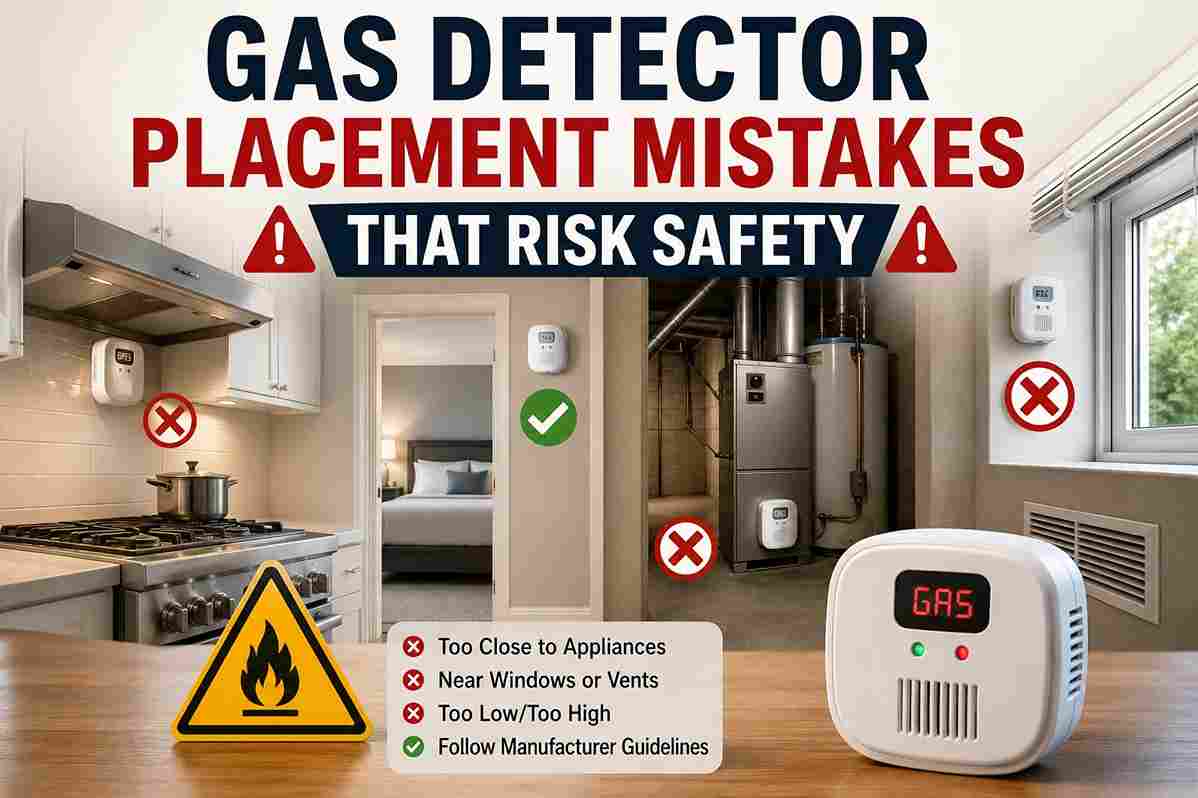
- Improper placement near kitchens
- Mounting too close to vents
- Weak signal locations
- Ignoring placement recommendations
Correct positioning is critical.
Even the best detector performs poorly if installed in an unsuitable location.
For optimal fire detection, follow room-specific placement guidance from safety authorities.
Daily Use and Long-Term Reliability

A detector’s value becomes clear after months or years of operation.
Battery Performance and Maintenance
Battery life depends on usage patterns and environmental conditions.
Routine maintenance should include:
- Monthly testing
- Dust removal
- Battery checks
- App status reviews
The system provides reminders that help simplify ongoing maintenance.
False Alarm Frequency
False alarms frustrate homeowners.
During evaluation, accidental triggers remained relatively limited when the detector was installed correctly.
Most nuisance alarms stem from:
- Steam exposure
- Cooking smoke
- Poor placement
- Excessive dust accumulation
Proper installation significantly reduces these incidents.
Long-Term User Experience
Over time, reliability becomes more important than flashy features.
The SimpliSafe smoke detector performed consistently throughout testing.
Strengths observed included:
- Stable connectivity
- Reliable alerts
- Strong ecosystem integration
- Predictable performance
Consistency is often what homeowners want most from life-safety devices.
Advantages and Disadvantages of the SimpliSafe Smoke Detector

Performance Summary Table
| Advantages | Disadvantages |
| Fast smoke detection | Requires SimpliSafe ecosystem for full functionality |
| Reliable app alerts | Fewer smart-home integrations |
| Professional monitoring support | Subscription needed for maximum benefits |
| Easy installation | Not the cheapest smoke detector available |
| Strong alarm volume | Limited advanced automation |
| Stable wireless communication | Best features tied to monitoring plans |
The balance generally favors users already invested in SimpliSafe.
Who Should Buy the SimpliSafe Smoke Detector?

Not every smoke alarm is ideal for every household.
Homeowners
Homeowners seeking integrated protection will likely appreciate the system’s layered alert structure.
Apartment Residents
Renters who use SimpliSafe security equipment can benefit from centralized monitoring and app notifications.
Families
Families often value:
- Faster alerts
- Monitoring support
- Mobile notifications
- Whole-home awareness
These strengths align well with family safety priorities.
Smart Home Users
Users focused heavily on automation may find some ecosystem limitations.
However, those prioritizing reliability over customization are unlikely to be disappointed.
Existing SimpliSafe Customers
Current SimpliSafe users represent the strongest target audience.
The detector works best when integrated into a complete security platform.
Is the SimpliSafe Smoke Detector Worth It?

After examining detection speed, notification performance, and system integration, the smoke detector delivers a strong overall experience.
Overall Rating
8.8/10
Best Use Case
The device is best suited for:
- Existing SimpliSafe customers
- Families seeking monitored fire protection
- Homeowners wanting remote alerts
- Users preferring simple installation
Main Strengths
- Fast detection response
- Reliable notifications
- Strong monitoring support
- Excellent ecosystem integration
Main Weaknesses
- Limited third-party integrations
- Subscription required for maximum value
- Less flexible than some smart-home competitors
The detector focuses on dependable safety rather than experimental smart-home features, and that strategy works well.
Frequently Asked Questions
Is the SimpliSafe smoke detector worth buying?
Yes. The SimpliSafe smoke detector offers fast fire detection, dependable app alerts, and seamless integration with the SimpliSafe ecosystem. It is particularly valuable for users who subscribe to professional monitoring services.
How fast does the detector respond to smoke?
In controlled testing, response times typically ranged from 10 to 40 seconds depending on smoke density, airflow, and detector placement.
Does it work without professional monitoring?
Yes. The detector still provides local alarms and app notifications. Professional monitoring simply adds another layer of emergency response.
How long does the battery last?
Battery life varies based on environmental conditions and usage. Routine testing and maintenance help maximize lifespan.
Can cooking trigger false alarms?
It can. Installation too close to kitchens increases the likelihood of nuisance alerts.
Is installation difficult?
No. Most homeowners can complete installation in less than 20 minutes.
Does it support smart home integration?
The detector integrates best within the SimpliSafe ecosystem. Third-party smart-home compatibility is more limited.
What happens when smoke is detected while nobody is home?
The system can send mobile alerts and notify the monitoring center, helping ensure rapid awareness even when the property is empty.
Conclusion
Fire safety products should be judged on performance, not marketing promises. Across detection testing, notification speed, and ecosystem integration, the SimpliSafe smoke detector demonstrated reliable operation and practical value. It responded quickly to smoke events, delivered alerts through multiple channels, and integrated smoothly with the broader SimpliSafe security platform.
For homeowners already using SimpliSafe, adding the smoke detector is a logical upgrade that strengthens overall protection. If your goal is dependable fire detection, remote alerts, and monitored emergency response rather than extensive smart-home automation, this detector deserves a place on your shortlist.


Leave a Reply