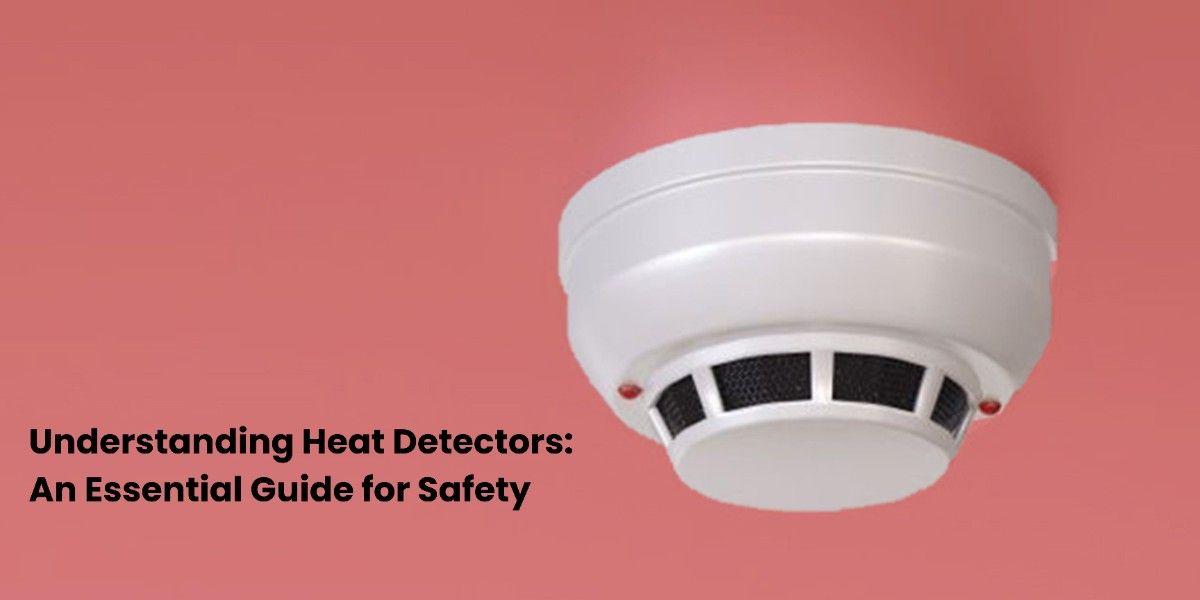
A homeowner installs a smoke alarm in the kitchen, only to hear it shriek every time bacon hits the frying pan. Frustrated, they remove the device altogether. Months later, a small electrical fire starts in the same room. This scenario is more common than many people realize, and it highlights a critical issue: using the wrong heat detector in the wrong location.
According to data from fire safety organizations, early detection remains one of the most effective ways to reduce fire-related injuries and property damage. Yet many buildings still rely on a one-size-fits-all approach to detection systems. The reality is that smoke detectors and a heat detector serve different purposes, and understanding where each belongs can significantly improve protection.
Whether you’re outfitting a new home, upgrading a commercial property, or reviewing a fire safety plan, choosing the right device for each room is a decision that deserves careful attention.
Understanding How Smoke Detectors Work

Smoke detectors are designed to identify combustion particles in the air before a fire grows large enough to generate significant heat. Their primary advantage is speed. In many situations, smoke is detected before flames become visible.
Most residential smoke detectors use one of two technologies:
- Photoelectric sensing
- Ionization sensing
Photoelectric units respond particularly well to slow, smoldering fires such as those caused by upholstered furniture or overheated wiring. Ionization models react more quickly to fast-flaming fires involving paper or cooking oils.
Because smoke often spreads throughout a building before temperatures rise dramatically, smoke detectors are considered the first line of defense in occupied spaces.
Understanding How a Heat Detector Works

Unlike smoke alarms, a heat detector responds to temperature changes rather than airborne particles. This makes it highly effective in environments where smoke detectors would trigger nuisance alarms.
Instead of monitoring smoke concentration, these devices activate when temperatures exceed a preset threshold or rise unusually fast.
A heat detector is commonly installed in locations where steam, dust, fumes, or cooking activity would interfere with traditional smoke detection.
Fixed Temperature Heat Detector
A fixed-temperature heat detector activates once the surrounding air reaches a specific temperature.
Common activation points include:
- 135°F (57°C)
- 194°F (90°C)
These units remain inactive until the threshold is reached, making them ideal for stable environments where sudden temperature spikes are unlikely.
Examples include:
- Storage rooms
- Mechanical rooms
- Equipment spaces
Rate-of-Rise Heat Detector
A rate-of-rise heat detector monitors how quickly temperatures increase.
Instead of waiting for a specific temperature, the device activates when it detects a rapid increase, often around 12°F to 15°F per minute.
This allows earlier detection in situations where a fire develops quickly but room temperatures have not yet reached a fixed threshold.
Many commercial facilities combine both technologies for broader protection.
Key Differences Between Smoke Detectors and Heat Detectors

The most significant difference lies in what each device detects.
| Feature | Smoke Detector | Heat Detector |
| Detects | Smoke particles | Temperature changes |
| Response Time | Faster | Usually slower |
| Best For | Living areas | Harsh environments |
| False Alarms | More likely in kitchens | Less likely |
| Life Safety | Excellent | Supplemental |
| Typical Cost | $20–$70 | $30–$100 |
Smoke detectors are generally recommended for life safety because they provide earlier warning. Heat detectors are often used where environmental conditions make smoke detection unreliable.
Rooms That Need Smoke Detectors

Most occupied spaces benefit from smoke detection because people require the earliest possible warning.
Bedrooms
Research consistently shows that many fatal residential fires occur at night.
Smoke detectors should be installed:
- Inside every bedroom
- Outside sleeping areas
- On every level of a home
Interconnected alarms provide additional protection because activation in one room triggers alarms throughout the building.
Hallways
Hallways serve as evacuation routes.
Installing smoke detectors in hallways helps identify developing fires before escape paths become blocked.
For long corridors, spacing should follow local fire code requirements.
Living Rooms
Living rooms often contain:
- Electronics
- Extension cords
- Upholstered furniture
- Entertainment systems
These items can contribute to both smoldering and flaming fires.
Photoelectric smoke detectors are particularly effective in these environments.
Home Offices
Home offices contain increasing amounts of electronic equipment.
Printers, chargers, power strips, and computers can generate heat and occasionally fail.
A smoke detector provides early warning before conditions become dangerous.
Rooms That Need a Heat Detector

Some environments naturally generate smoke-like conditions without an actual fire.
These locations are often better served by a heat detector than a smoke detector.
Kitchens
Kitchens are responsible for nearly half of residential fire incidents.
Cooking smoke, steam, and airborne grease frequently trigger false alarms.
A heat detector placed according to manufacturer guidelines can reduce nuisance activations while maintaining fire protection.
Garages
Garages contain several fire hazards:
- Vehicles
- Fuel containers
- Power tools
- Battery chargers
Dust and exhaust fumes can interfere with smoke detectors.
A heat detector generally performs more reliably in these conditions.
Boiler Rooms
Mechanical rooms experience elevated temperatures during normal operation.
Installing smoke detection alone can result in unnecessary alarms.
Many fire protection engineers recommend a heat detector as part of the overall detection strategy for these spaces.
Workshops
Woodworking and fabrication shops generate:
- Dust
- Sawdust
- Metal particles
- Airborne debris
These contaminants can reduce smoke detector effectiveness.
A heat detector offers dependable performance in challenging environments.
Dusty Industrial Areas
Industrial facilities often contain airborne particulates that would overwhelm traditional smoke sensing technology.
Warehouses, manufacturing plants, and processing facilities frequently rely on a heat detector in specific zones where smoke detection is impractical.
Can Smoke Detectors and Heat Detectors Work Together?

Absolutely.
Many of the safest buildings use both technologies.
For example:
- Bedrooms: Smoke detector
- Hallways: Smoke detector
- Kitchen: Heat detector
- Garage: Heat detector
- Mechanical room: Heat detector
This layered approach improves overall detection coverage while reducing nuisance alarms.
Modern fire alarm systems can integrate multiple detector types into a single monitoring network.
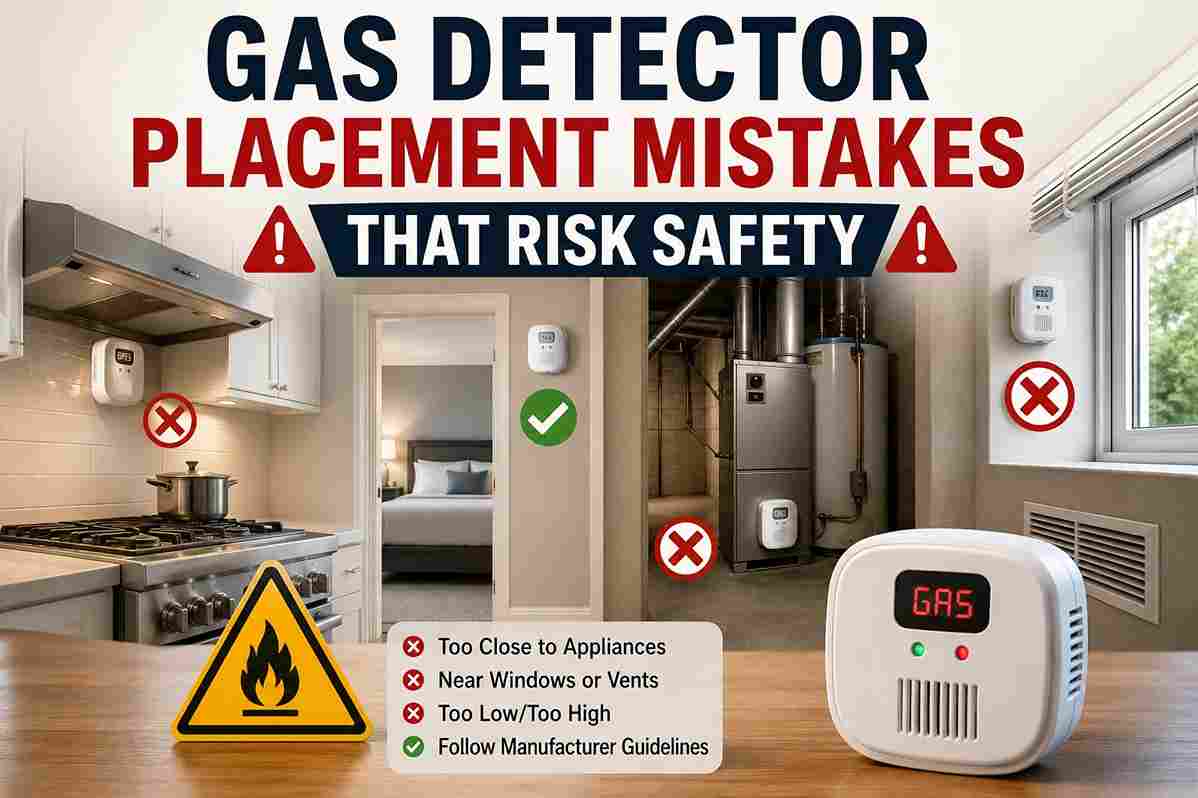
Common Installation Mistakes

Several mistakes reduce detector effectiveness.
Common examples include:
- Installing smoke alarms directly above stoves
- Mounting detectors near HVAC vents
- Ignoring manufacturer spacing requirements
- Failing to test devices regularly
- Using only one detector type throughout a building
Correct placement often matters as much as selecting the right device.
How to Choose the Right Detector for Your Property

Start by evaluating room conditions.
Ask the following questions:
- Is smoke likely during normal operation?
- Is dust regularly present?
- Are high temperatures expected?
- Is the room occupied frequently?
- Could a false alarm cause problems?
Areas occupied by people generally benefit from smoke detection. Rooms with environmental challenges often benefit from heat detection.
Maintenance and Testing Requirements

Detection systems require regular maintenance.
Recommended schedule:
| Task | Frequency |
| Functional test | Monthly |
| Battery replacement | Annually |
| Cleaning | Every 6 months |
| Professional inspection | Yearly |
| Device replacement | Every 10 years |
Manufacturers may specify different intervals, so always review product documentation.
Recommended Placement Guidelines

General recommendations include:
- Install ceiling-mounted detectors whenever possible.
- Keep units at least 4 inches from wall-ceiling intersections.
- Avoid placement near vents and fans.
- Follow local building and fire code requirements.
- Maintain manufacturer-recommended spacing.
Proper positioning ensures the detector can respond as intended.
Final Verdict: Which Rooms Need Which Device?
The best fire protection strategy does not involve choosing one device over the other. Instead, it involves matching detector technology to the environment.
Smoke detectors remain the preferred choice for bedrooms, hallways, living rooms, and home offices because they provide the earliest warning possible. A heat detector performs better in kitchens, garages, workshops, boiler rooms, and dusty industrial spaces where smoke detectors may produce frequent false alarms.
For most homes and commercial properties, combining both technologies creates the most reliable protection system. Evaluate each room individually, consider environmental conditions, and follow applicable fire safety codes. The result is a smarter detection strategy that improves safety while reducing unnecessary alarms.
Frequently Asked Questions
Can a heat detector replace a smoke detector?
No. Smoke detectors generally provide earlier warning because they react to smoke before temperatures rise significantly. Heat detectors are typically used as supplemental protection in specific environments.
Where should a heat detector be installed?
Common locations include kitchens, garages, workshops, boiler rooms, and dusty industrial areas where smoke detectors may experience nuisance alarms.
Are heat detectors required in garages?
Requirements vary by jurisdiction, but many fire safety professionals recommend them because garages contain vehicles, fuel, and electrical equipment.
What temperature triggers a heat detector?
Most fixed-temperature models activate around 135°F (57°C), although higher-temperature versions are available.
How often should detectors be tested?
Monthly testing is generally recommended, with annual professional inspections for larger systems.
Which detector is best for kitchens?
A heat detector is often preferred because cooking smoke and steam can trigger false smoke alarms.
Can both devices be interconnected?
Yes. Many modern alarm systems allow smoke detectors and heat detectors to communicate within a single network.
How long do heat detectors last?
Most manufacturers recommend replacement after approximately 10 years, although service life varies by model and environmental conditions.




Leave a Reply