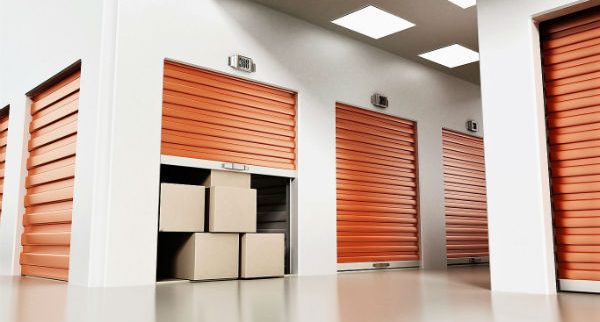
A couple preparing for a six-month home renovation packed family heirlooms, financial records, jewelry, and several expensive electronics into an indoor storage near me unit. They chose a facility based mainly on price and location. Three months later, they discovered moisture damage on important documents and learned that the lock protecting their unit could have been cut in less than a minute with common bolt cutters.
Stories like this are more common than many people realize. While self-storage facilities provide valuable extra space, not all of them offer the same level of protection. A low monthly rate may look attractive, but weak security measures can expose your belongings to theft, vandalism, environmental damage, and unauthorized access.
Anyone searching for indoor storage near me is often focused on convenience, pricing, and unit size. Those factors matter, but security should be equally important—especially if you’re storing items that would be difficult, expensive, or impossible to replace.
The good news is that modern storage facilities offer a wide range of protective features. The challenge is knowing which security features genuinely improve security and which are mostly marketing buzzwords. This guide explains the security features that actually matter, how to evaluate a facility, and what steps you can take to protect your valuables better.
Why Valuables Are Often Targeted in Storage Facilities

Many renters assume storage facilities are naturally secure. However, thieves often see them differently.
Storage units frequently contain high-value items such as:
- Jewelry
- Collectibles
- Electronics
- Power tools
- Business inventory
- Important documents
- Antique furniture
Unlike homes, storage units are not occupied around the clock. That creates opportunities for criminals who look for weak access controls or poorly monitored facilities.
Theft Risks and Unauthorized Access
The most obvious threat is theft.
Criminals often target facilities that have:
- Weak perimeter fencing
- Poor lighting
- Limited camera coverage
- Easily cut locks
- No on-site management
In some cases, unauthorized individuals gain access simply by following another customer through a security gate. This tactic, known as “tailgating,” remains one of the most common facility security challenges.
Facilities with modern access control systems significantly reduce this risk because every entry and exit is logged electronically.
Environmental Risks Can Be Just as Costly
Security isn’t only about stopping thieves.
Environmental damage causes thousands of dollars in losses every year.
Common threats include:
- Excessive humidity
- Water leaks
- Mold growth
- Extreme heat
- Extreme cold
- Dust accumulation
For example, paper documents may deteriorate when humidity remains elevated for long periods. Electronics can develop corrosion, while wooden furniture may crack or warp.
This is one reason many people searching for indoor storage near me specifically choose climate-controlled units.
Security Features That Actually Matter

Storage facilities advertise dozens of security benefits. Some provide real protection, while others offer little practical value.
Gated Access and Keypad Entry Systems
A secure storage facility should have controlled entry points.
Modern facilities commonly use:
- Electronic gate systems
- Personal access codes
- Mobile app credentials
- Digital visitor tracking
Every customer receives a unique code that records:
- Entry time
- Exit time
- User activity
This creates accountability and makes investigations easier if security incidents occur.
Facilities that still allow unrestricted access should raise concerns.
Mobile Access Systems and Digital Credentials
Many newer facilities have replaced traditional gate codes with smartphone-based access systems.
Benefits include:
- Reduced code sharing
- Better access tracking
- Remote credential management
- Faster deactivation if access is compromised
For customers storing expensive valuables, these systems provide an additional layer of control.
HD Surveillance Cameras and Motion Detection
Video surveillance remains one of the most effective security investments.
However, not all camera systems are equal.
Look for facilities offering:
- HD or 4K video quality
- Night vision capability
- Wide-angle coverage
- Motion-triggered recording
- Continuous monitoring
Most reputable facilities retain footage for approximately 30 to 90 days, though retention periods vary by operator.
Ask specifically:
- How long footage is stored
- Whether cameras cover hallways
- Whether cameras monitor loading zones
- Whether management can quickly review footage
Individual Unit Alarms
One of the most valuable but often overlooked security features is an individual alarm system.
These systems activate whenever:
- A door is opened without authorization
- A lock is tampered with
- A unit is accessed outside approved conditions
Unlike perimeter security, individual alarms protect your specific unit.
For renters storing jewelry, collectibles, firearms stored legally according to local regulations, or expensive electronics, this feature is worth prioritizing.
Why Indoor Storage Near Me Often Provides Better Protection

Not every storage environment offers the same level of security.
Indoor facilities frequently outperform outdoor locations because they create multiple barriers between criminals and your belongings.
Multiple Layers of Physical Security
A typical indoor storage facility may require:
- Facility gate access
- Building entry authorization
- Hallway access
- Individual unit lock
Each additional layer increases security.
Outdoor facilities often provide only a perimeter gate and unit lock.
The more barriers involved, the lower the likelihood of successful unauthorized access.
Climate-Controlled Storage Protects Sensitive Items
Most climate-controlled units maintain temperatures within a range of approximately 55°F to 80°F (13°C to 27°C), depending on the facility and local climate.
These conditions help protect:
- Photographs
- Documents
- Musical instruments
- Electronics
- Artwork
- Leather goods
- Wooden furniture
For long-term storage, climate control often prevents damage that insurance policies may not fully cover.
People searching for indoor storage near me frequently discover that the additional monthly cost is small compared to the value of the items being protected.
Comparing Indoor Storage Near Me Locks

A secure facility still requires a strong lock.
A strong lock can undermine every other security measure.
Standard Padlocks

Average Cost: $10–$25
Advantages:
- Widely available
- Inexpensive
- Easy to replace
Disadvantages:
- Exposed shackles
- Vulnerable to bolt cutters
- Lower resistance to attacks
Best for:
- Low-value household items
- Short-term storage
Disc Locks
Average Cost: $20–$50
Advantages:
- Minimal shackle exposure
- Better cut resistance
- Industry standard recommendation
Disadvantages:
- Slightly more expensive
Best for:
- Most residential storage users
Disc locks remain one of the most commonly recommended options among storage managers.
Cylinder Locks

Average Cost: $40–$80
Advantages:
- No exposed shackle
- Strong resistance to cutting tools
- Difficult to manipulate
Disadvantages:
- Facility compatibility varies
- More expensive
Best for:
- High-value storage situations
Smart Locks

Average Cost: $80–$250+
Advantages:
- Activity tracking
- Mobile notifications
- Remote management
Disadvantages:
- Battery maintenance
- Higher purchase price
Best for:
- Business inventory
- Frequent access requirements
- Technology-focused users
Indoor Storage Near Me: Facility Features Worth Paying Extra For

Not every premium feature deserves extra money.
However, several upgrades consistently provide measurable protection.
On-Site Management and Security Patrols
Facilities with active on-site management typically respond faster to:
- Suspicious activity
- Maintenance issues
- Access concerns
- Emergencies
Regular security patrols add another visible deterrent.
Criminals generally prefer locations where detection risks remain low.
Well-Lit Facilities and Indoor Loading Areas
Lighting remains one of the simplest yet most effective security measures.
Look for bright lighting around:
- Entrances
- Hallways
- Elevators
- Loading zones
- Parking areas
Indoor loading areas provide additional protection by reducing public visibility during move-in and move-out activities.
This feature becomes especially valuable when transporting expensive items.
Insurance and Documentation: Your Financial Safety Net

Even the most secure storage facility cannot eliminate every possible risk. Fires, severe weather events, accidental water damage, and unexpected incidents can still occur. That is why insurance and documentation should be part of every storage security strategy.
Understanding Storage Insurance Coverage
Many renters assume the storage facility automatically insures their belongings. In reality, most facilities limit their liability through rental agreements.
Common coverage options include:
- Homeowner’s insurance extensions
- Renter’s insurance policies
- Facility-offered storage insurance
- Specialty insurance for collectibles
Coverage amounts often range from $2,000 to $25,000 or more depending on the policy.
Before signing a rental agreement, ask:
- What events are covered?
- Are floods excluded?
- Is mold damage covered?
- Are electronics covered at full value?
- What is the deductible?
A small monthly insurance premium can provide significant protection if a major loss occurs.
Create a Detailed Inventory Before Moving In
One of the biggest mistakes renters make is failing to document their belongings.
If you ever need to file an insurance claim, proving ownership and value becomes much easier with proper records.
Create an inventory that includes:
- Item descriptions
- Purchase dates
- Estimated values
- Serial numbers
- Photographs
- Receipts when available
Store digital copies in cloud storage rather than inside the unit itself.
Experienced storage managers often recommend updating your inventory every time you add or remove valuable items.
10-Step Security Checklist Before Renting a Storage Unit

Indoor Storage Near Me
Use this checklist before signing a rental agreement.
Step 1: Inspect the Facility in Person
Photos online rarely show the complete picture. Visit the facility and evaluate cleanliness, lighting, and overall maintenance.
Step 2: Verify Access Controls
Ensure the facility uses keypad entry systems, mobile credentials, or other controlled-access methods.
Step 3: Check Camera Coverage
Look for visible surveillance cameras covering entrances, hallways, elevators, and loading zones.
Step 4: Ask About Footage Retention
Facilities commonly retain footage for 30 to 90 days. Longer retention periods can be beneficial during investigations.
Step 5: Evaluate Lighting Conditions
Visit during evening hours if possible. Dark areas often indicate weaker security management.
Step 6: Choose Climate-Controlled Storage for Sensitive Items
Documents, electronics, artwork, and wooden furniture generally benefit from climate-controlled environments.
Step 7: Purchase a High-Quality Lock
Avoid the cheapest lock available. A quality disc lock or cylinder lock provides better resistance against attacks.
Step 8: Confirm Insurance Options
Review both facility coverage and your personal insurance policy before moving valuables into storage.
Step 9: Create a Complete Inventory
Photograph everything and maintain an updated list of stored items.
Step 10: Avoid Advertising Valuable Contents
Keep move-in activities discreet. Avoid discussing valuable belongings with strangers and avoid labeling boxes with descriptions such as “Jewelry” or “Electronics.”
Common Security Mistakes Renters Make

Even excellent facilities cannot fully protect belongings if renters make avoidable mistakes.
Using Weak or Cheap Locks
A high-security facility loses effectiveness if the unit itself is secured with a low-quality lock.
Many theft incidents involve locks that were easy to cut or manipulate.
Storing Valuables Near the Door
Expensive items placed directly behind the unit entrance become visible whenever the door opens.
Place valuable belongings toward the rear of the unit and cover them appropriately.
Ignoring Climate Risks
Renters often focus exclusively on theft while overlooking environmental damage.
Heat, humidity, and moisture can quietly damage belongings over time.
This is another reason many consumers prioritize indoor storage near me when storing sensitive possessions.
Failing to Update Documentation
Insurance claims become far more difficult without current records.
Whenever new items enter storage, update your inventory and photographs.
Advanced Security Tips for High-Value Items

Some belongings require additional precautions beyond standard facility security.
Use Layered Protection
Think of security as multiple layers rather than a single solution.
A strong strategy combines:
- Controlled facility access
- Surveillance cameras
- Individual unit alarms
- High-quality locks
- Insurance coverage
- Detailed documentation
Each layer reduces overall risk.
Store Critical Documents Separately
Passports, birth certificates, legal records, and irreplaceable documents should be stored in waterproof and fire-resistant containers whenever possible.
Digital backups provide additional protection.
Consider Specialty Storage for Extremely Valuable Assets
Certain items may require specialized storage solutions.
Examples include:
- Fine art
- Rare collectibles
- Wine collections
- Precious metals
- Sensitive business records
These items may benefit from enhanced environmental controls and specialized insurance policies.
Frequently Asked Questions
Is indoor storage safer than outdoor storage?
In many cases, yes. Indoor facilities typically provide multiple layers of protection, including controlled building access, surveillance systems, climate control, and additional physical barriers between the public and individual storage units.
What is the best lock for a storage unit?
Disc locks are widely recommended because they expose very little shackle area to cutting tools. For high-value belongings, cylinder locks often provide even greater resistance against forced entry.
Do storage facilities insure my belongings?
Most facilities offer limited liability protection rather than full insurance. Renters should review facility policies and consider supplemental insurance coverage for valuable items.
How often are storage facilities monitored?
Monitoring practices vary by operator. Some facilities use 24/7 camera surveillance, while others combine surveillance systems with on-site staff and security patrols.
Are climate-controlled units worth the extra cost?
For electronics, documents, artwork, musical instruments, antiques, and wooden furniture, climate control can prevent costly environmental damage. The additional monthly expense is often justified for long-term storage.
How can I find secure indoor storage near me?
Start by comparing facilities based on security features rather than price alone. Look for access control systems, quality surveillance coverage, climate control, strong lighting, and positive customer reviews. A tour of the property can reveal security strengths and weaknesses that are not visible online.
Should I store cash or precious metals in a storage unit?
Most security professionals recommend using financial institutions or specialized vault services for cash and certain precious assets. Review facility policies before storing exceptionally valuable items.
What should I photograph before placing belongings into storage?
Take clear photos of every item, including serial numbers, identifying marks, and overall condition. These records can simplify insurance claims and ownership verification.
Final Thoughts
Protecting valuables in storage requires more than choosing the closest facility or the lowest monthly price. Strong access controls, quality surveillance cameras, climate-controlled environments, individual unit alarms, and proper insurance coverage all play important roles.
If you are searching for indoor storage near me, take time to evaluate the facility’s security systems, maintenance standards, and management practices. A well-protected storage unit combines physical security, environmental protection, and thorough documentation.
Before signing a rental agreement, tour the property, ask detailed questions, inspect the security features firsthand, and invest in a quality lock. Those simple steps can significantly reduce risk and help ensure your valuables remain protected for the duration of their stay.

Leave a Reply