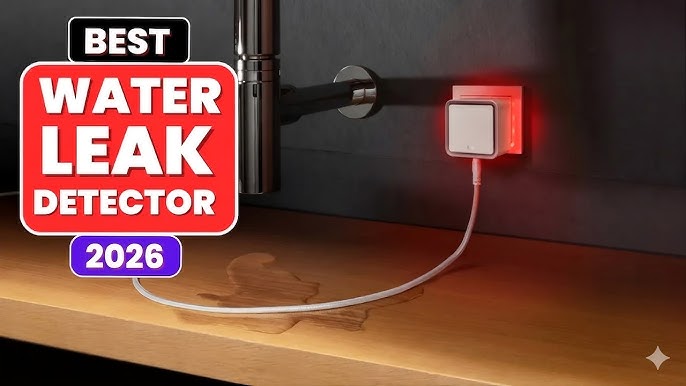
Water Leak Detector technology has become one of the simplest ways to prevent expensive water damage before it spreads throughout a home. A homeowner may leave for a long weekend only to return to warped hardwood floors, soaked drywall, and a persistent musty odor. The culprit is often not a burst pipe but a slow leak from a washing machine hose that failed while the house was empty. By the time the damage is discovered, repair costs can easily reach thousands of dollars.
Incidents like this are more common than many homeowners realize. According to insurance industry data, water damage and freezing are among the most frequent and costly property insurance claims in the United States. In many cases, these losses begin with small, unnoticed leaks that could have been detected long before they caused significant damage.
A water leak detector provides an early warning when unwanted moisture appears, helping homeowners respond before a minor leak turns into a major repair project. Since these devices are relatively inexpensive, the real question is not whether to install one, but where it should be placed for the greatest level of protection.
This guide explains the best locations for installing water leak detectors, identifies the areas of the home that present the highest risk for hidden leaks, and outlines a practical placement strategy to maximize protection.
Why Water Leaks Cause More Damage Than Most Homeowners Expect

Water rarely stays where it starts. A small drip behind a wall can travel through insulation, flooring, and framing before becoming visible.
Several factors make leaks particularly destructive:
- Moisture can remain hidden for weeks.
- Mold can begin growing within 24 to 48 hours.
- Wood framing may weaken over time.
- Drywall often requires replacement after prolonged exposure.
- Insurance may not cover damage caused by neglected leaks.
Many homeowners assume they will notice a leak quickly. In reality, some of the most expensive claims come from areas that are rarely inspected, such as basements, crawl spaces, laundry rooms, and utility closets.
A properly placed water leak detector helps identify problems before structural damage develops.
How a Water Leak Detector Works

Modern leak detection devices vary from simple alarms to advanced smart-home systems.
Basic Leak Sensors
Basic leak sensors sit directly on the floor near vulnerable plumbing fixtures.
When water touches the sensor contacts, the device emits a loud alarm.
Benefits include:
- Affordable pricing
- Easy installation
- No Wi-Fi required
- Minimal maintenance
These models work well in smaller homes where occupants are usually present.
Smart Wi-Fi Leak Detectors
A smart water leak detector adds remote monitoring capabilities.
Instead of relying only on an audible alarm, the device sends notifications to a smartphone.
Advantages include:
- Instant mobile alerts
- Remote monitoring
- Battery status updates
- Integration with smart home platforms
These models are especially useful for vacation homes or households that spend long hours away.
Whole-Home Leak Monitoring Systems
A whole-home water monitoring system is installed directly on the main water line.
These systems:
- Track water usage patterns
- Detect unusual flow rates
- Identify hidden leaks
- Automatically shut off water in some situations
Although more expensive, they provide the highest level of protection.
Best Places to Install a Water Leak Detector
Not every location carries equal risk. Prioritizing high-risk areas dramatically improves leak detection effectiveness.
Under Kitchen Sinks

Kitchen sinks contain multiple connection points.
Common failure points include:
- Supply line fittings
- Drain connections
- Garbage disposal seals
- Water filtration systems
A compact leak detection sensor placed beneath the sink can identify problems before water damages cabinetry.
Real-world example: A loose dishwasher connection beneath a sink may drip for weeks without becoming visible.
Behind Refrigerators With Ice Makers

Ice maker supply lines are surprisingly vulnerable.
Plastic tubing can crack, loosen, or become damaged during appliance movement.
Install a water leak detector directly behind the refrigerator where moisture will collect first.
Near Dishwashers
Dishwashers often develop slow leaks around:
- Door seals
- Drain hoses
- Water supply connections
Because most dishwashers are enclosed by cabinetry, leaks frequently go unnoticed.
A small flood sensor positioned near the front corner of the appliance provides early warning.
Around Water Heaters

Water heaters rank among the most important locations for leak detection.
Potential failure points include:
- Tank corrosion
- Pressure relief valves
- Drain valves
- Supply connections
Even a slow leak can damage flooring and nearby walls.
Place a water leak detector in the drain pan or directly beside the tank.
Behind Washing Machines
Laundry rooms generate a significant percentage of residential water damage claims.
Rubber supply hoses can fail unexpectedly after years of use.
Recommended placement:
- Behind the machine
- Near hose connections
- Adjacent to the drain
Real-world example: A burst washing machine hose can release hundreds of gallons of water within hours.
Near HVAC Condensate Drains
Air conditioning systems produce condensation continuously during warm months.
Common issues include:
- Clogged drain lines
- Overflowing condensate pans
- Cracked drain fittings
A water sensor placed near the condensate pan can prevent ceiling and drywall damage.
Under Bathroom Sinks
Bathroom vanities often conceal small leaks.
Pay attention to:
- Faucet supply lines
- Shutoff valves
- Drain traps
Because cabinets hide moisture, damage can spread before becoming visible.
Around Toilets

Toilets can leak from several areas:
- Wax ring failures
- Tank bolts
- Supply line connections
- Cracked porcelain
Install a leak alarm beside the toilet base where water naturally accumulates.
Near Bathtubs and Showers
Shower plumbing failures frequently occur behind walls.
Early warning devices near accessible plumbing connections can reduce repair costs significantly.
Look for:
- Loose fittings
- Damaged grout
- Failed caulking
- Drain leaks
In Basements
Basements often contain multiple water-related risks.
These include:
- Foundation seepage
- Pipe failures
- Water heater leaks
- Sump pump issues
Installing a water leak detector in the lowest point of the basement provides broad protection.
Near Sump Pumps
Sump pumps are designed to prevent flooding, but they can fail.
Common causes include:
- Power outages
- Float switch failures
- Mechanical wear
A flood sensor near the sump basin provides an additional layer of protection.
Around Water Softeners

Water treatment equipment contains several connections that may develop leaks over time.
Monitor:
- Inlet connections
- Outlet connections
- Bypass valves
- Brine tanks
These systems are often located in utility areas where leaks may go unnoticed.
Near Main Water Supply Lines
The main supply line is one of the most critical monitoring points in any house.
A leak near this connection can release large amounts of water quickly.
Placing a water leak detector nearby allows homeowners to respond before significant damage occurs.
Water Leak Detector Placement Mistakes to Avoid

Even quality devices can fail to provide protection when installed incorrectly.
Installing Too Far From the Leak Source
Water may not travel toward the sensor immediately.
Place detectors where water is most likely to appear first.
Blocking Sensors
Boxes, storage containers, and cleaning supplies can prevent water from reaching the device.
Keep the area around sensors clear.
Ignoring Battery Maintenance
Dead batteries eliminate protection.
Check battery status regularly and replace them according to manufacturer recommendations.
Poor Wi-Fi Coverage
Smart devices depend on reliable connectivity.
Test signal strength before installation.
A disconnected smart leak detector cannot send alerts.
Smart Home Integrations

Today’s leak detection technology extends far beyond audible alarms.
Mobile Alerts
Most smart systems deliver notifications instantly.
This allows homeowners to respond quickly, even when traveling.
Automatic Shutoff Valves
Some systems pair a water leak detector with a motorized shutoff valve.
When a leak is detected, water flow stops automatically.
This feature can significantly reduce damage.
Home Security System Integration
Many home security platforms support leak detection devices.
Benefits include:
- Centralized monitoring
- Professional alert handling
- Unified smart-home management
Voice Assistant Compatibility
Some smart leak detectors integrate with voice assistants.
Users can check device status or receive verbal notifications through connected speakers.
How Many Water Leak Detectors Does an Average Home Need?

The answer depends on home size and plumbing complexity.
Small Home
Recommended locations:
- Kitchen sink
- Water heater
- Washing machine
Typical total: 3 to 5 detectors
Medium Home
Recommended locations:
- Kitchen
- Laundry room
- Water heater
- Bathrooms
- HVAC equipment
Typical total: 6 to 10 detectors
Large Home
Recommended locations:
- Multiple bathrooms
- Utility rooms
- Basement
- Water softener
- Sump pump
- Main supply line
Typical total: 10 to 15 detectors
Many homeowners start with high-risk areas and expand coverage over time.
Cost Comparison: Detector vs Water Damage Repairs
The economics are straightforward.
| Item | Typical Cost |
| Basic leak detector | $15–$40 |
| Smart leak detector | $40–$100 |
| Whole-home system | $300–$1,500+ |
| Cabinet repair | $500–$2,000 |
| Drywall replacement | $1,000–$5,000 |
| Flooring replacement | $2,000–$15,000+ |
| Major water damage restoration | $5,000–$50,000+ |
A few strategically placed sensors can prevent thousands of dollars in repairs.
Step-by-Step Water Leak Detector Installation Checklist

- Identify all plumbing fixtures and appliances.
- Prioritize high-risk locations.
- Select detector types for each area.
- Test Wi-Fi coverage if using smart devices.
- Install sensors close to likely leak points.
- Verify alarm operation.
- Configure smartphone notifications.
- Record battery replacement dates.
- Test devices every few months.
- Review coverage annually as plumbing systems age.
Frequently Asked Questions
Where should a water leak detector be installed first?
Start with the water heater, washing machine, and kitchen sink. These locations account for many residential leak incidents.
Are smart leak detectors worth it?
Yes. Remote notifications provide faster awareness and response, particularly when nobody is home.
Can leak detectors work without Wi-Fi?
Absolutely. Basic models rely on audible alarms and do not require internet connectivity.
How long do batteries last?
Most devices operate for one to three years on a single set of batteries, depending on usage and model.
Do leak detectors lower insurance costs?
Some insurance companies offer discounts for homes equipped with approved leak monitoring systems.
Can they shut off water automatically?
Certain smart systems integrate with automatic shutoff valves that stop water flow when a leak is detected.
What is the best location near a water heater?
Install the sensor in the drain pan or directly beside the base of the tank where water will collect first.
How many detectors should I install?
Most households benefit from at least five strategically placed devices covering major plumbing risk areas.
Conclusion
Water damage rarely begins with a dramatic burst pipe. More often, it starts with a slow leak hidden behind an appliance, beneath a sink, or inside a utility room. By the time visible signs appear, repairs may already cost thousands of dollars.
The most effective strategy is to place a water leak detector in the areas most likely to experience plumbing failures. Start with the water heater, washing machine, kitchen sink, and main water supply line. Then expand coverage to bathrooms, HVAC equipment, and basement areas.
A few carefully placed sensors can provide early warnings, reduce repair expenses, prevent mold growth, and help protect your home. The next practical step is simple: walk through your house today, identify the highest-risk water sources, and install protection before a leak has the opportunity to become a costly surprise.




Leave a Reply