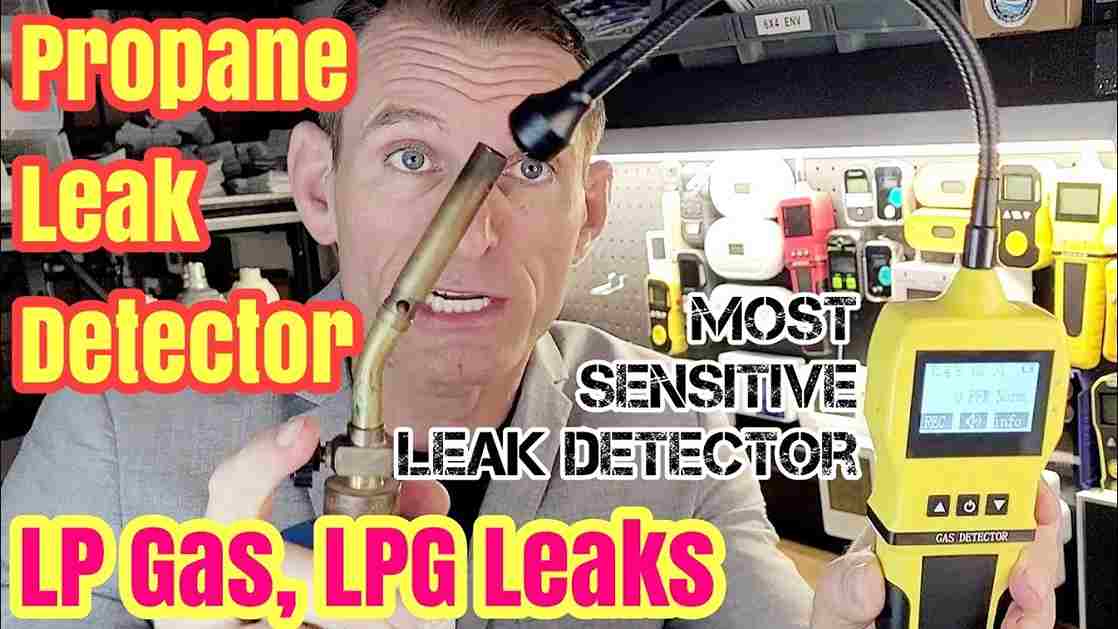
A family returns from a weekend camping trip and parks their RV beside the garage. While unloading gear, one family member notices a faint rotten-egg smell near a spare propane cylinder stored against the wall. The smell disappears after a few minutes, so nobody thinks much of it. The next morning, however, they discover a loose connection slowly releasing propane into the enclosed space. Fortunately, the leak was minor and detected before it became dangerous. Situations like this happen more often than many homeowners realize. Propane leak detector is a reliable fuel source for heating systems, water heaters, fireplaces, grills, RV appliances, and backup generators. Yet even a small leak can create a serious fire or explosion hazard if gas accumulates in an enclosed area.
Unlike natural gas, propane is heavier than air. Instead of rising and dispersing toward the ceiling, it tends to sink and collect near the floor. Because of this behavior, proper detector placement becomes just as important as owning the detector itself. A poorly located propane leak detector may not provide the early warning needed to prevent a dangerous situation.
This guide explains how propane behaves indoors, where detectors should be installed in homes, RVs, and garages, common placement mistakes, and practical ways to improve safety through proper installation.
Understanding How Propane Gas Behaves Indoors

Before deciding where to install a detector, it helps to understand how propane moves through a building.
Why Propane Is Heavier Than Air
Propane has a vapor density roughly 1.5 times greater than air. In practical terms, this means leaked propane tends to move downward rather than upward.
When a leak occurs, propane often collects:
- Near floors
- Inside low corners
- Beneath furniture
- Around basement areas
- In enclosed storage spaces
This behavior differs significantly from natural gas, which rises because it is lighter than air.
Imagine a leaking propane fitting inside a utility room. Instead of spreading evenly throughout the room, the gas may accumulate along the floor first. If enough propane builds up and encounters an ignition source, the results can be severe.
Why Leak Location Matters
Propane leaks rarely occur randomly. Most originate from specific components within a propane system.
Common leak points include:
- Appliance connections
- Flexible gas lines
- Pressure regulators
- Storage cylinders
- Shutoff valves
- Aging fittings
For example, a propane water heater located in a utility closet presents different risks than a propane fireplace installed in a living room. The location of potential leak sources should influence detector placement decisions.
A detector positioned close to likely leak points can provide earlier warning than one installed across the room.
Why Proper Propane Leak Detector Placement Matters

Many people focus on selecting a detector brand but spend little time thinking about placement. In reality, installation location often determines how effectively a detector performs.
Early Detection Saves Time
The earlier a leak is detected, the more time occupants have to respond safely.
An alarm that activates when propane levels are still relatively low can allow homeowners to:
- Shut off the fuel supply
- Ventilate the area
- Contact emergency services
- Evacuate if necessary
Every minute matters when combustible gas begins accumulating indoors.
Reducing Explosion and Fire Risks
Propane becomes dangerous when it reaches certain concentrations in the air. Within its flammable range, even a small spark can ignite accumulated gas.
Potential ignition sources include:
- Water heater pilot lights
- Electrical switches
- Garage door openers
- Furnaces
- Power tools
A correctly positioned detector helps identify leaks before propane reaches hazardous levels.
Protecting Occupants During Sleep
Many propane appliances operate overnight.
Examples include:
- RV furnaces
- Home heating systems
- Water heaters
- Propane fireplaces
Leaks occurring while occupants sleep may go unnoticed without a functioning detector. Strategic placement near sleeping areas increases the likelihood that alarms are heard quickly.
Best Propane Leak Detector Placement Inside Homes

Residential installations require careful consideration of both propane behavior and appliance locations.
Near Propane Appliances
The most effective placement usually involves positioning detectors near propane-consuming appliances without installing them directly beside the appliance.
Common locations include:
- Propane furnaces
- Gas fireplaces
- Propane water heaters
- Propane cooking ranges
Most manufacturers recommend placing detectors within the same room while maintaining appropriate distance from heat sources and direct airflow.
For example, a detector installed near a propane furnace room can often identify leaks before gas migrates throughout the home.
Recommended Mounting Height
Because propane sinks, detector placement near the floor is generally recommended.
However, homeowners should always follow manufacturer instructions because sensor designs vary.
Many propane detectors perform best:
- Within several inches of floor level
- On lower wall sections
- Away from obstructions
- Away from direct heat sources
Installing a propane leak detector too high may delay detection because propane often accumulates near the floor first.
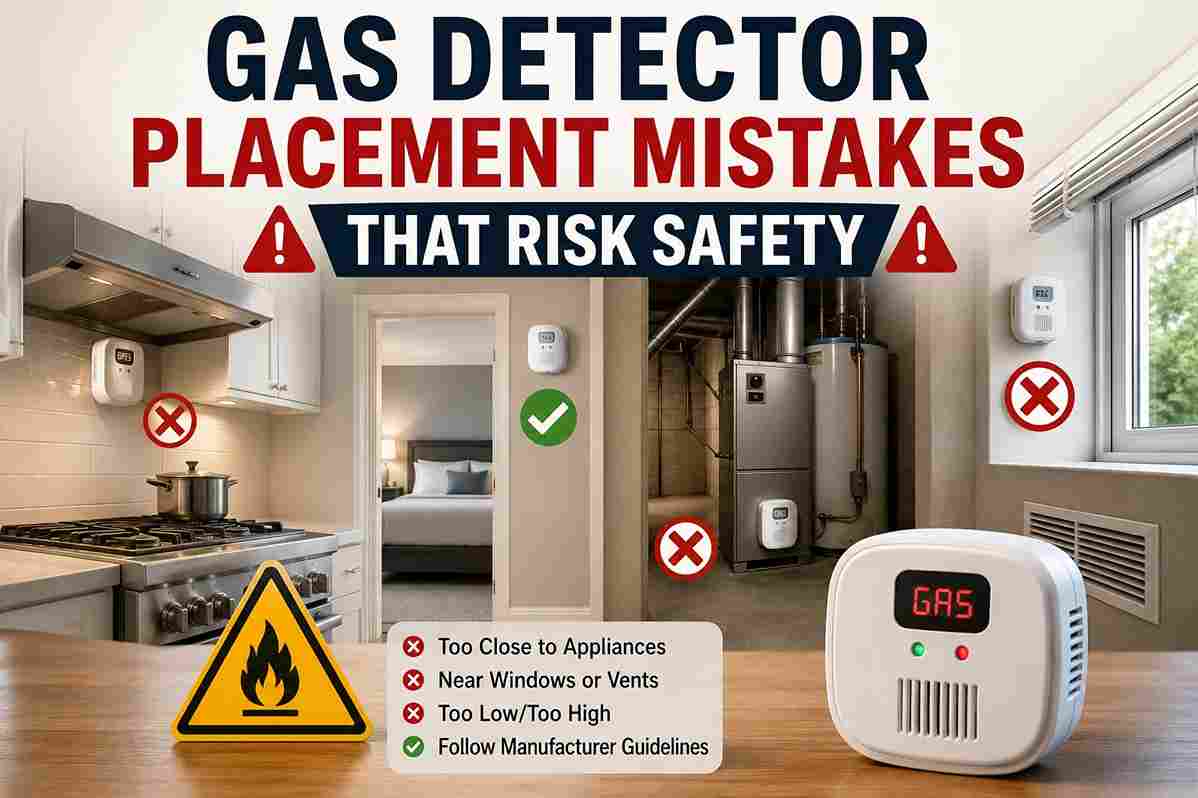
Areas to Avoid
Certain locations can interfere with accurate gas detection.
Avoid placing detectors near:
- Open windows
- HVAC supply vents
- Ceiling corners
- Bathrooms with excessive humidity
- Areas exposed to direct sunlight
Strong airflow can dilute propane concentrations before they reach the sensor, reducing effectiveness.
| Location | Recommended | Reason |
| Utility room near propane furnace | Yes | Close to likely leak source |
| Near propane water heater | Yes | Early detection potential |
| Lower wall near appliance room | Yes | Propane settles low |
| Directly beside window | No | Airflow may affect readings |
| Ceiling area | No | Propane collects lower |
| Bathroom | No | Excess moisture may interfere |
Propane Leak Detector Placement in RVs

RVs create unique safety challenges because propane appliances operate within a compact living space.
Why RVs Require Special Placement
Most RVs contain multiple propane-powered systems packed into a relatively small area.
These often include:
- Furnaces
- Refrigerators
- Water heaters
- Cooktops
- Ovens
Because interior space is limited, propane can accumulate quickly if a leak develops.
For this reason, RV safety standards commonly require dedicated propane detection systems.
Best Locations Near Sleeping Areas
Many RV owners spend hours asleep only a few feet from propane appliances.
A properly located detector should:
- Be low to the floor
- Remain unobstructed
- Be close enough for occupants to hear
- Avoid storage compartments
In many travel trailers and motorhomes, manufacturers install detectors near sleeping zones for maximum warning effectiveness.
Placement Near Propane Appliances
Additional monitoring may be useful near high-use propane appliances.
Examples include:
- RV refrigerators
- Water heaters
- Furnaces
- Cooking equipment
A propane leak detector installed near these systems can provide earlier warning if connections loosen during travel.
Road vibration, rough terrain, and repeated setup cycles place stress on propane fittings over time.
Common RV Installation Mistakes
Several mistakes appear frequently among RV owners.
Common examples include:
- Blocking detectors with luggage
- Covering detectors with rugs
- Ignoring low-battery warnings
- Installing aftermarket detectors too high
- Failing to test detectors before trips
A detector hidden behind storage bins may not sense gas effectively when needed most.
Where to Install a Propane Leak Detector in Garages

Garages present unique risks because they often combine propane storage, fuel-burning appliances, vehicles, and electrical equipment in a single enclosed area.
Garages With Propane Heaters
Many homeowners use ceiling-mounted or wall-mounted propane heaters to keep garages comfortable during winter.
A detector should be installed according to manufacturer guidelines and positioned where leaked propane is likely to accumulate. In most cases, this means placing the detector low on a nearby wall rather than directly beside the heater.
For example, if a heater connection develops a slow leak overnight, propane may settle along the floor before occupants enter the garage the next morning.
Garages Used for Cylinder Storage
Some homeowners store spare propane cylinders for grills, patio heaters, or RVs inside a garage.
While local regulations may restrict indoor cylinder storage in certain areas, it still occurs frequently. In these situations, detector placement should account for the location of stored cylinders and potential leak paths.
A propane leak detector can provide an added layer of protection when propane tanks are present, especially in attached garages connected to living spaces.
Detached vs Attached Garages
Attached garages typically present greater risks because leaked propane can migrate into the home through doors, wall penetrations, and utility openings.
For attached garages:
- Consider detector coverage near propane sources.
- Monitor adjacent utility spaces.
- Inspect seals around shared walls.
Detached garages offer more separation, but they still benefit from gas detection if propane heaters or cylinders are present.
Ventilation Considerations
Garages often experience changing airflow due to:
- Open garage doors
- Exhaust fans
- Windows
- HVAC equipment
These conditions can influence how propane spreads within the space.
A detector should never be installed directly in front of strong airflow sources. Otherwise, leaked gas may be dispersed before the sensor can detect elevated concentrations.
Common Propane Leak Detector Placement Mistakes

Many installation problems result from misunderstanding how propane behaves.
Installing Too High
This is one of the most common mistakes.
Because propane is heavier than air, mounting a detector near the ceiling may delay activation. By the time propane reaches the sensor, concentrations near the floor could already be significantly higher.
Always follow manufacturer guidance regarding mounting height.
Installing Too Far From Leak Sources
A detector located several rooms away from propane appliances may not provide timely warning.
While a detector should not be placed directly beside heat-producing equipment, it should remain reasonably close to likely leak sources.
The goal is early detection, not simply detecting propane after it spreads throughout the building.
Blocking Airflow Around the Detector
Furniture, storage boxes, shelving, and decorative items can interfere with sensor performance.
Examples include:
- Cabinets covering detectors
- Boxes stacked in front of sensors
- Storage bins placed against walls
- Furniture restricting airflow
Keep the area around detectors clear.
Ignoring Manufacturer Instructions
Every detector model has unique installation requirements.
Some units specify:
- Minimum floor clearances
- Maximum mounting heights
- Temperature limits
- Humidity restrictions
Ignoring these instructions can reduce reliability and shorten sensor life.
How Many Propane Leak Detectors Do You Need?

The answer depends on building size, layout, and propane appliance locations.
Small Homes
A small single-story home with one propane appliance may require only one detector in the primary risk area.
However, additional protection near sleeping spaces often improves safety.
Multi-Level Homes
Propane systems located in basements, utility rooms, or separate living areas may justify multiple detectors.
A practical approach is to monitor:
- Major appliance locations
- Utility spaces
- Sleeping areas
Multiple detectors improve coverage and reduce detection time.
Large RVs
Larger fifth wheels and motorhomes may benefit from more than one detector.
This is especially true when:
- Sleeping areas are separated.
- Multiple propane appliances are installed.
- Interior layouts create isolated compartments.
Workshops and Garages
A garage workshop using propane heating equipment often deserves dedicated monitoring.
In many cases, installing a separate propane leak detector within the garage provides better protection than relying solely on detectors inside the house.
Testing and Maintaining a Propane Leak Detector

A detector cannot protect occupants if it no longer functions properly.
Monthly Testing Procedures
Most manufacturers recommend testing detectors at least once per month.
Typical testing steps include:
- Press the test button.
- Verify alarm operation.
- Confirm indicator lights function correctly.
- Review manufacturer instructions.
Testing takes less than a minute and helps identify problems early.
Cleaning the Sensor Area
Dust accumulation can affect sensor performance.
Several times per year:
- Vacuum around detector openings.
- Remove visible debris.
- Avoid spraying cleaning chemicals directly onto sensors.
Simple maintenance helps maintain reliability.
Battery Replacement
Battery-powered units require regular attention.
Best practices include:
- Replacing batteries according to manufacturer schedules.
- Using recommended battery types.
- Testing after battery replacement.
Some homeowners replace batteries during daylight-saving time changes to maintain a consistent routine.
End-of-Life Replacement Schedules
Gas detectors do not last forever.
Depending on the model, sensors may require replacement after several years of service.
Warning signs include:
- End-of-life alerts
- Frequent false alarms
- Failure during testing
- Manufacturer replacement notices
Check the unit label to determine replacement timelines.
Signs You May Have a Propane Leak

Even with detectors installed, homeowners should recognize common warning signs.
Potential indicators include:
Rotten Egg Odor
Propane suppliers add odorants that create a sulfur-like smell often compared to rotten eggs.
Any unexplained gas odor should be investigated immediately.
Hissing Sounds
A damaged hose, loose fitting, or faulty regulator may produce a hissing or whistling noise.
Dead Vegetation Near Tanks
Outdoor propane leaks sometimes damage surrounding grass and plants.
Unexplained patches of dead vegetation may indicate a leak.
Physical Symptoms
Exposure to propane can contribute to symptoms such as:
- Dizziness
- Headaches
- Nausea
- Fatigue
If symptoms occur alongside suspected gas odors, leave the area immediately.
Appliance Performance Issues
Unexpected appliance behavior can also signal propane problems.
Examples include:
- Weak burner flames
- Difficulty igniting appliances
- Inconsistent heating performance
Immediate Safety Actions
If a leak is suspected:
- Leave the area immediately.
- Avoid creating sparks.
- Do not operate electrical switches.
- Shut off propane if safe to do so.
- Contact emergency services or your propane supplier.
Recommended Propane Safety Checklist

Use this checklist to improve propane safety year-round.
Detector Placement
- Install detectors according to manufacturer guidance.
- Place detectors near propane appliances.
- Avoid windows, vents, and obstructed locations.
Testing Schedule
- Test detectors monthly.
- Verify alarm operation.
- Review warning indicators regularly.
Tank Inspections
- Check cylinders for damage.
- Inspect valves and fittings.
- Replace aging hoses.
Ventilation
- Maintain adequate airflow.
- Keep vents unobstructed.
- Avoid storing materials around propane equipment.
Emergency Planning
- Know how to shut off propane supplies.
- Keep emergency contact numbers available.
- Review evacuation procedures with family members.
FAQ
1. Where should a propane leak detector be installed?
Most detectors should be installed near propane appliances and close to floor level because propane is heavier than air. Always follow manufacturer instructions for exact placement.
2. Should propane leak detector be mounted near the floor?
In many cases, yes. Propane tends to settle downward, making lower wall placement more effective than ceiling installation.
3. Can I install a propane detector in a garage?
Yes. Garages that contain propane heaters, cylinders, or propane-powered equipment often benefit from dedicated gas detection.
4. How many propane detectors does a house need?
The number depends on home size, appliance locations, and layout. Larger homes typically require more than one detector.
5. Can one propane leak detector cover multiple rooms?
Sometimes, but coverage depends on room layout and airflow patterns. Multiple detectors often provide better protection.
6. Do propane leak detector expire?
Yes. Most gas detectors have a limited sensor lifespan and eventually require replacement.
7. Can a carbon monoxide detector detect natural gas?
Not always. Some detectors are designed specifically for propane, while others monitor multiple gases. Check product specifications carefully.
8. What should I do if my detector alarms?
Leave the area, avoid creating sparks, shut off propane if safe, and contact emergency services or your propane provider.
Conclusion
Proper detector placement is one of the most important factors in propane safety. A high-quality smoke detector cannot perform effectively if it is installed in the wrong location. Understanding how propane behaves, identifying likely leak sources, and following manufacturer recommendations all contribute to faster detection and safer outcomes.
Whether you are protecting a family home, travel trailer, RV, garage workshop, or utility space, the goal remains the same: detect leaks before they become emergencies. Installing a propane leak detector in the right location, testing it regularly, and maintaining the surrounding area can significantly improve safety and provide valuable peace of mind.
Take a few minutes today to inspect your propane appliances, review detector placement, and confirm that every detector in your property is positioned where it can do its job effectively.



Leave a Reply