
Why a water sensor alarm is important. A homeowner returns from a three-day trip and notices a slight odor near the laundry room. Nothing appears unusual at first. Then they step onto a section of flooring that feels soft underfoot. A supply hose behind the washing machine had been leaking for days. By the time the problem was discovered, the repairs included flooring replacement, drywall work, mold remediation, and several weeks of disruption.
Situations like this happen more often than many people realize. Insurance industry data consistently shows that non-weather-related water damage ranks among the most common residential property claims. The challenge is that many leaks start small and remain hidden behind walls, beneath sinks, or near appliances.
This is where a water sensor alarm becomes valuable. Instead of waiting for visible signs of damage, these devices detect moisture at the earliest stage and alert homeowners before a minor leak becomes a major repair project.
In this guide, you’ll learn how leak detection technology works, which features matter most, how different systems compare, and what steps to take when choosing protection for your home.
Why Early Leak Detection Matters

Water damage rarely begins with a dramatic pipe burst. Most incidents start as slow drips, loose fittings, deteriorating appliance hoses, or minor plumbing failures.
Consider a few common examples:
| Source | Typical Risk |
| Washing machine hose | Sudden rupture or slow leak |
| Water heater | Tank corrosion |
| Dishwasher | Hidden connection failure |
| Sink plumbing | Loose fittings |
| Refrigerator line | Cracked supply tubing |
| HVAC condensate systems | Overflow and drainage issues |
A leak that releases only a few ounces of water per hour can create extensive damage over days or weeks. Wood absorbs moisture, drywall weakens, insulation becomes saturated, and mold growth can begin within 24 to 48 hours under favorable conditions.
Understanding How Modern Leak Detection Systems Work
Most residential systems rely on moisture-sensitive contacts. When water bridges those contacts, the device triggers an alert.
Detection methods generally include:
- Contact sensors
- Water probes
- Rope-style sensing cables
- Flow monitoring systems
- Smart shutoff integrations
The sophistication of the response depends on the system. Basic units emit a loud sound. Advanced systems send mobile notifications, trigger automation routines, or close a motorized water valve.
Water Sensor Alarm Features That Matter Most

Not all leak detectors deliver the same level of protection.
When comparing options, prioritize the features below.
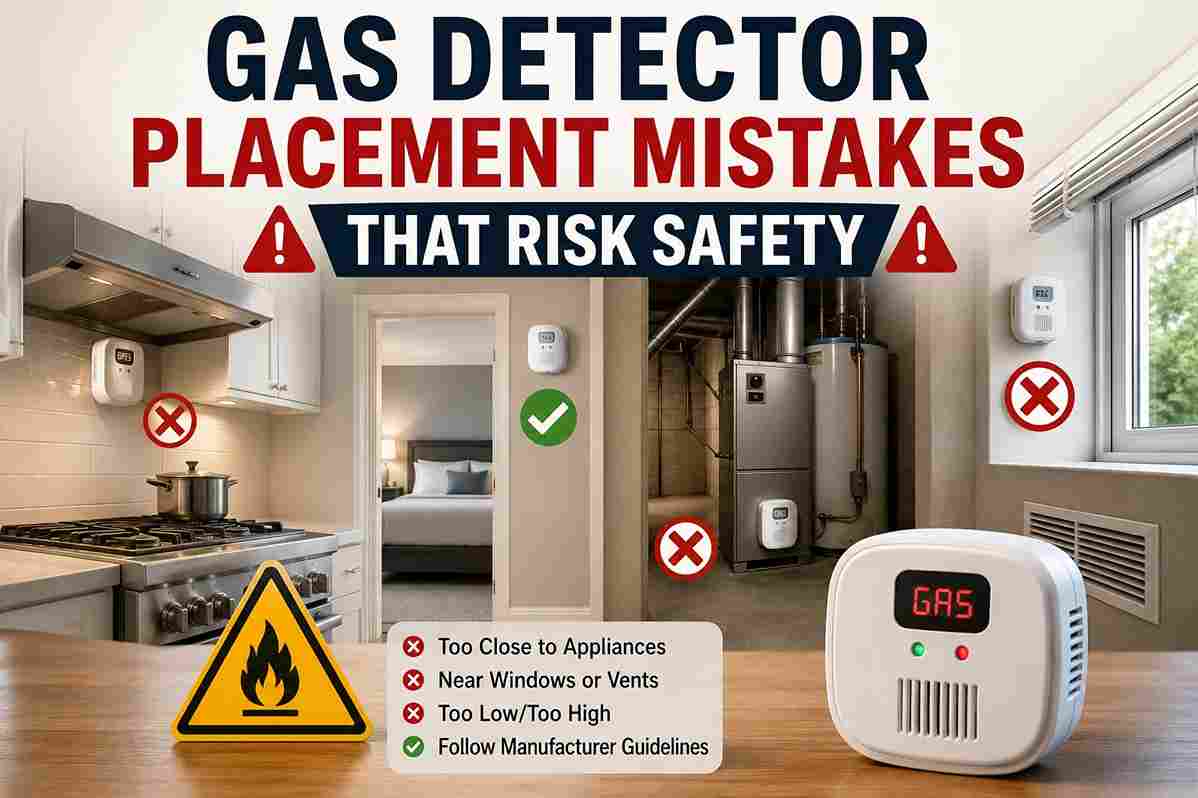
Water Sensor Alarm Placement and Coverage
Coverage determines effectiveness.
Even the most advanced detector cannot identify a leak if it is installed in the wrong location.
Recommended placement areas include:
- Under sinks
- Behind washing machines
- Near water heaters
- Around sump pumps
- Beneath dishwashers
- Near HVAC equipment
- Around basement plumbing
Many homeowners underestimate how many monitoring points are necessary. A single detector may protect one area, but larger homes often benefit from multiple sensing locations.
Connectivity Options
Connectivity influences how quickly you receive alerts.
Common options include:
- Audible-only alarms
- Wi-Fi connectivity
- Smart home integration
- Cellular backup systems
Remote alerts provide a significant advantage for travelers, landlords, and owners of seasonal properties.
Battery Life and Maintenance
Battery-powered devices remain popular because installation is simple.
However, maintenance matters.
Look for:
- Low-battery warnings
- Long-life batteries
- Easy battery replacement
- Self-testing capabilities
Reliable monitoring depends on consistent power availability.
Water Sensor Alarm vs Traditional Leak Detection Methods

Before affordable electronic monitoring became widely available, homeowners relied on visual inspections and routine maintenance.
While inspections remain important, they have limitations.
A visual check can identify:
- Corrosion
- Dripping connections
- Water stains
- Damaged hoses
However, inspections cannot provide 24/7 monitoring.
Electronic detection systems fill that gap by continuously watching vulnerable areas. This constant monitoring is one of the biggest advantages modern homeowners gain from adopting leak detection technology.
Comparing Major Types of Leak Detection Systems
Understanding the main categories makes product selection easier.
Standalone Water Sensor Alarm Units

Standalone models are typically the most affordable option.
Advantages include:
- Low cost
- Simple installation
- No subscription fees
- Immediate audible alerts
Disadvantages include:
- Limited remote monitoring
- No automatic shutoff
- Alert only at the installation location
These devices work well for apartments, small homes, and homeowners seeking basic protection.
Smart Home Integrated Systems

Smart systems communicate with mobile apps and connected devices.
Benefits include:
- Real-time notifications
- Remote monitoring
- Automation support
- Multiple sensor management
Potential drawbacks:
- Dependence on internet connectivity
- Higher purchase costs
- More complex setup
For many households, smart monitoring provides the best balance between protection and convenience.
Automatic Shutoff Systems

Automatic shutoff technology represents the highest level of residential leak protection.
When abnormal water activity is detected, the system can close the main water supply valve.
Benefits include:
- Reduced damage potential
- Faster response
- Protection during travel
- Whole-home coverage
Limitations include:
- Higher installation costs
- Professional installation may be required
Despite the investment, many property owners consider shutoff capability worthwhile for high-value homes.
Water Sensor Alarm Installation Best Practices

Proper installation significantly affects performance.
Follow these guidelines:
- Identify high-risk plumbing locations.
- Place sensors at the lowest point where water would collect.
- Avoid placing devices on uneven surfaces.
- Test each sensor after installation.
- Verify mobile notifications function correctly.
- Review placement annually.
Many failures occur not because devices malfunction, but because sensors were positioned several inches away from the actual leak path.
Real-World Performance Factors

Manufacturers often advertise impressive specifications, but real-world performance depends on several variables.
Important factors include:
- Sensor sensitivity
- Response time
- Alert reliability
- Signal strength
- Battery health
- Environmental conditions
For example, a basement installation may require stronger wireless connectivity than a detector installed near a central router.
Testing after installation remains one of the most overlooked steps in home protection.
Pros and Cons of Leak Detection Devices

Advantages
- Early warning capability
- Reduced repair costs
- Better protection during travel
- Increased peace of mind
- Easy installation for many models
- Smart home compatibility
Disadvantages
- Battery maintenance requirements
- Potential connectivity issues
- Upfront equipment costs
- Coverage depends on placement
Overall, the benefits generally outweigh the limitations, especially in homes with multiple water-using appliances.
Cost Comparison
Costs vary significantly by system type.
| System Type | Typical Cost Range |
| Basic alarm-only unit | $10–$40 |
| Wi-Fi detector | $30–$100 |
| Multi-sensor smart kit | $100–$300 |
| Automatic shutoff system | $300–$1,500+ |
Repair costs from a single serious leak can easily exceed several thousand dollars, making prevention a relatively inexpensive investment.
Common Mistakes Homeowners Make

Several errors reduce effectiveness.
Water Sensor Alarm Buying Mistakes
Common issues include:
- Purchasing only one detector
- Ignoring battery replacement schedules
- Choosing devices without testing alerts
- Overlooking connectivity requirements
- Focusing solely on price
A properly selected water sensor alarm should match the home’s size, plumbing layout, and risk profile.
Water Sensor Alarm Maintenance Errors
Many owners install protection and forget about it.
Avoid:
- Skipping annual testing
- Ignoring app warnings
- Leaving dead batteries in place
- Failing to update software
- Neglecting sensor cleaning
Routine maintenance takes only minutes but greatly improves reliability.
Action Plan: What to Do Next

If you’re considering leak detection for your property, follow this process:
- Walk through your home and identify water-related appliances.
- Prioritize high-risk locations.
- Determine whether remote monitoring is important.
- Decide if automatic shutoff capability fits your budget.
- Install sensors in the most vulnerable areas first.
- Test alerts immediately after setup.
- Create a maintenance reminder schedule.
For most homeowners, starting with a water sensor alarm near the water heater, washing machine, and kitchen sink provides excellent initial protection.
FAQ
How accurate are leak detection devices?
Most quality systems are highly reliable when installed correctly. Accuracy depends primarily on placement and maintenance.
Do I need Wi-Fi for leak detection?
No. Many models operate without internet access and use audible alarms only. Wi-Fi simply adds remote notifications.
Can these systems detect pipe bursts?
Many can. Advanced systems may detect rapid water flow changes and send immediate alerts.
Are automatic shutoff systems worth the cost?
For larger homes, vacation properties, and high-value residences, automatic shutoff capability often provides substantial protection.
Where should sensors be installed first?
Start near water heaters, washing machines, dishwashers, refrigerators, and under sinks.
How often should sensors be tested?
Testing every few months is recommended, along with battery checks according to manufacturer guidelines.
Conclusion
A water sensor alarm is one of the simplest and most effective tools available for preventing expensive water damage. The best choice depends on your home’s size, your budget, and how much protection you want. Basic alarms provide affordable monitoring, smart systems add remote visibility, and automatic shutoff solutions deliver the highest level of defense.
The next right step is straightforward: identify the three highest-risk water locations in your home and install monitoring there first. Early detection can mean the difference between a minor cleanup and a major renovation project.



Leave a Reply