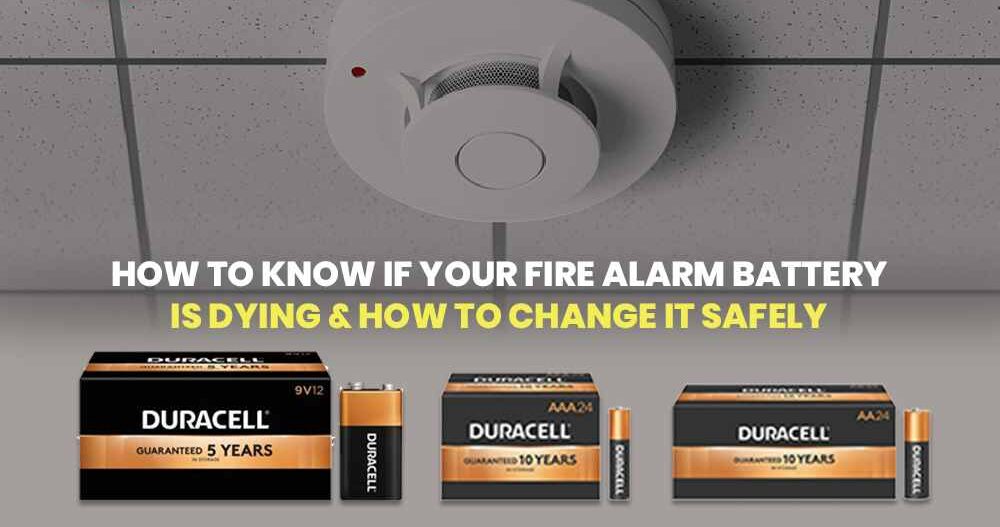
A homeowner in a suburban neighborhood woke up at 3 a.m. to a loud chirping sound coming from the hallway. At first, it seemed like a random electronic glitch. After several minutes of searching, the source became clear: a smoke alarm warning that its battery was nearly dead. The problem wasn’t just the annoying noise. The detector had likely been operating on a weakened smoke detector battery for weeks, reducing confidence that it would function properly during an emergency.
Situations like this happen in millions of homes every year. While smoke alarms are among the most effective fire safety devices ever created, they depend on reliable power. A neglected smoke detector battery can leave a home vulnerable when seconds matter most. Understanding when to replace batteries, how different detector types work, and what maintenance schedule to follow can help ensure your alarms are ready when needed.
Why Smoke Alarm Batteries Matter More Than Most Homeowners Realize

According to fire safety organizations, working smoke alarms significantly increase the chances of surviving a residential fire. Fires often spread rapidly, especially during overnight hours when occupants are asleep.
A smoke alarm can only perform its job if it has sufficient power. Even detectors connected to household electrical wiring usually contain backup batteries designed to keep them operational during power outages.
Many homeowners assume a detector is functioning because a small indicator light remains illuminated. Unfortunately, that light does not always confirm the battery is capable of powering the alarm at full volume during an emergency.
Regular battery replacement provides three key benefits:
- Reliable alarm activation
- Consistent sensor performance
- Reduced risk of unexpected battery failure
The cost of a new battery is insignificant compared to the protection it provides.
How Often Should You Replace a Smoke Detector Battery?

The traditional recommendation remains simple: replace batteries at least once every year.
Many homeowners choose memorable dates such as:
- New Year’s Day
- The beginning of daylight saving time
- A birthday
- Annual home maintenance weekends
An annual schedule works well for detectors powered by standard replaceable batteries.
However, not all alarms follow the same replacement timeline.
Standard 9-Volt Battery Models
Older smoke alarms commonly use removable 9-volt batteries.
For these units:
- Replace batteries once every year
- Test alarms monthly
- Replace sooner if low-battery warnings occur
Battery life can vary depending on temperature, humidity, and alarm usage.
AA Battery Smoke Alarms
Some newer detectors use two or three AA batteries rather than a single 9-volt battery.
Manufacturers often recommend annual replacement even if batteries appear functional.
Following the manufacturer’s maintenance schedule remains the safest approach.
Sealed 10-Year Battery Alarms
Many modern detectors contain sealed lithium batteries designed to last approximately ten years.
These units do not require yearly battery changes.
Instead:
- Test monthly
- Replace the entire alarm after ten years
- Replace sooner if the alarm malfunctions
These models reduce maintenance while ensuring long-term reliability.
Signs Your Smoke Detector Battery Needs Immediate Replacement

Waiting for an annual replacement date is not always enough.
Certain warning signs indicate action should be taken immediately.
Repeated Chirping Sounds
A periodic chirp every 30 to 60 seconds is one of the most common indicators of a low battery.
Many homeowners mistake the sound for:
- Carbon monoxide detectors
- Security systems
- Electronic devices
- Appliance alerts
If a detector begins chirping, replace the battery as soon as possible.
Weak or Failed Test Results
Most alarms include a test button.
Press and hold the button until the alarm activates.
If the sound is:
- Weak
- Distorted
- Intermittent
- Silent
Replace the battery as the first troubleshooting step.
Corrosion in the battery compartment
Older batteries can sometimes cause corrosion inside the compartment.
Signs include:
- White powder deposits
- Rust-like buildup
- Discoloration around terminals
Corrosion can interfere with electrical connections and reduce detector reliability.
Unexpected False Alarms
False alarms can occur for many reasons, including dust, steam, insects, and sensor contamination.
In some cases, inconsistent power from an aging smoke detector battery may contribute to erratic behavior.
Creating a Home Safety Battery Replacement Schedule

A structured schedule eliminates guesswork.
Most homeowners already perform seasonal maintenance tasks such as:
- HVAC filter replacement
- Gutter cleaning
- Water heater inspections
Smoke alarm maintenance should be added to the same routine.
Monthly Tasks
Perform these checks every month:
- Press the test button.
- Confirm all alarms sound correctly.
- Verify indicator lights are functioning.
- Inspect for dust buildup.
This process usually takes less than five minutes.
Every Six Months
Twice each year:
- Vacuum alarm vents carefully.
- Remove accumulated dust.
- Check for insect activity.
- Confirm alarms remain securely mounted.
Dust can interfere with smoke detection performance.
Annual Tasks
Once per year:
- Replace removable batteries.
- Document replacement dates.
- Test every alarm afterward.
- Inspect alarm age labels.
This annual routine helps prevent forgotten maintenance.
Common Mistakes Homeowners Make

Many smoke alarm failures result from simple maintenance errors rather than defective equipment.
Avoiding these mistakes improves overall safety.
Ignoring Intermittent Chirping
- Some homeowners tolerate chirping alarms for days or weeks.
- The noise may seem minor, but it indicates reduced protection.
- Address warnings immediately.
Removing Batteries Without Replacing Them
- After nuisance alarms, some people remove batteries and forget to reinstall them.
- This mistake leaves the detector completely inoperable.
- Always reinstall fresh batteries immediately.
Using Old Batteries
Partially used batteries from remote controls or flashlights should never be installed in smoke alarms.
Fresh batteries provide the most reliable performance.
Forgetting Less Frequently Used Areas
Smoke alarms located in:
- Basements
- Guest rooms
- Storage areas
- Vacation properties
are often overlooked during maintenance.
Every detector deserves equal attention.
How to Replace a Smoke Detector Battery Correctly

Replacing batteries is simple, yet a few best practices improve reliability.
Step 1: Identify the Detector Type
Before purchasing batteries:
- Check the model number.
- Review manufacturer instructions.
- Verify battery type requirements.
Using the wrong battery type can affect performance.
Step 2: Remove the Existing Battery
Open the battery compartment carefully.
Inspect for:
- Corrosion
- Dirt
- Damaged contacts
Clean gently if necessary.
Step 3: Install a Fresh Battery
Match polarity markings correctly.
Improper installation may prevent operation.
Most detectors include guides inside the compartment.
Step 4: Test the Alarm
After installation:
- Press the test button.
- Confirm loud activation.
- Verify indicator lights operate normally.
Never skip this step.
Factors That Affect Battery Life

Battery life varies between homes.
Several environmental conditions influence performance.
Temperature Extremes
Unheated garages, attics, and utility rooms often experience temperature fluctuations.
Extreme temperatures can shorten battery lifespan.
High Humidity
Excess moisture may impact electronic components over time.
Bathrooms located near detectors can contribute to increased maintenance needs.
Frequent Power Outages
Homes in areas with unreliable electrical service may place greater demands on backup batteries.
As a result, more frequent inspections may be beneficial.
When You Should Replace the Entire Smoke Alarm

Battery replacement alone cannot solve every issue.
Smoke alarms have finite service lives.
Most manufacturers recommend replacing alarms every ten years.
Check the manufacturing date on the back of the unit.
If the detector exceeds ten years of age:
- Replace the entire alarm.
- Install a current model.
- Consider interconnected systems.
- Upgrade to sealed battery technology if appropriate.
Why Detector Age Matters
Sensors become less reliable over time.
Dust, environmental exposure, and component aging gradually reduce effectiveness.
A fresh battery cannot restore an outdated sensor.
Benefits of Modern Smoke Alarms
Newer alarms often include:
- Improved sensor technology
- Reduced false alarms
- Wireless connectivity
- Longer battery life
- Voice alerts
These upgrades can improve both convenience and safety.
Practical Home Fire Safety Recommendations

Battery maintenance is only one part of a complete fire safety strategy.
Homeowners should also:
- Install alarms inside every bedroom.
- Install alarms outside sleeping areas.
- Place alarms on every level of the home.
- Test alarms monthly.
- Develop a family escape plan.
- Practice evacuation drills twice each year.
Children, older adults, and guests should understand evacuation routes before an emergency occurs.
Frequently Asked Questions

Should I replace smoke alarm batteries every year even if they seem fine?
Yes. Most manufacturers recommend annual replacement for detectors with removable batteries.
A battery may still power indicator lights while lacking sufficient reserve capacity for long-term emergency operation. Annual replacement removes uncertainty.
What month is best for replacing smoke alarm batteries?
Many homeowners choose daylight saving time changes because the date is easy to remember.
The specific month matters less than maintaining a consistent yearly schedule.
Can I use rechargeable batteries in smoke alarms?
Many manufacturers discourage rechargeable batteries because voltage characteristics differ from standard alkaline batteries.
Always check your owner’s manual before using rechargeable options.
Why does my alarm keep chirping after I replace the battery?
Several causes are possible:
- Incorrect battery installation
- Expired detector
- Dust contamination
- Internal malfunction
Try resetting the unit and testing it again. If chirping continues, replacement may be necessary.
How long do sealed lithium battery smoke alarms last?
Most sealed battery models are designed to operate for approximately ten years.
At the end of that period, the entire detector should be replaced.
Is it safe to remove the battery to stop nuisance alarms?
No, removing the battery eliminates protection from that detector. Instead, identify the source of the nuisance alarm and correct the underlying issue.
How many smoke alarms should a typical home have?
Current recommendations generally call for alarms:
- Inside every bedroom
- Outside sleeping areas
- On every level of the home
Larger homes may require additional units.
Do hardwired smoke alarms still need batteries?
Yes, Most hardwired systems include backup batteries that maintain operation during power outages. These batteries should be inspected and replaced according to manufacturer recommendations.
Conclusion
A reliable smoke detector battery is one of the simplest and most affordable components of a home’s fire protection system. Replacing removable batteries once each year, testing alarms monthly, and inspecting detectors regularly helps ensure they remain ready when needed.
The best schedule is the one you consistently follow. Mark a date on your calendar, check every alarm in the house, and confirm each unit is functioning properly. A few minutes of maintenance today can provide years of dependable protection for your family and home.


Leave a Reply