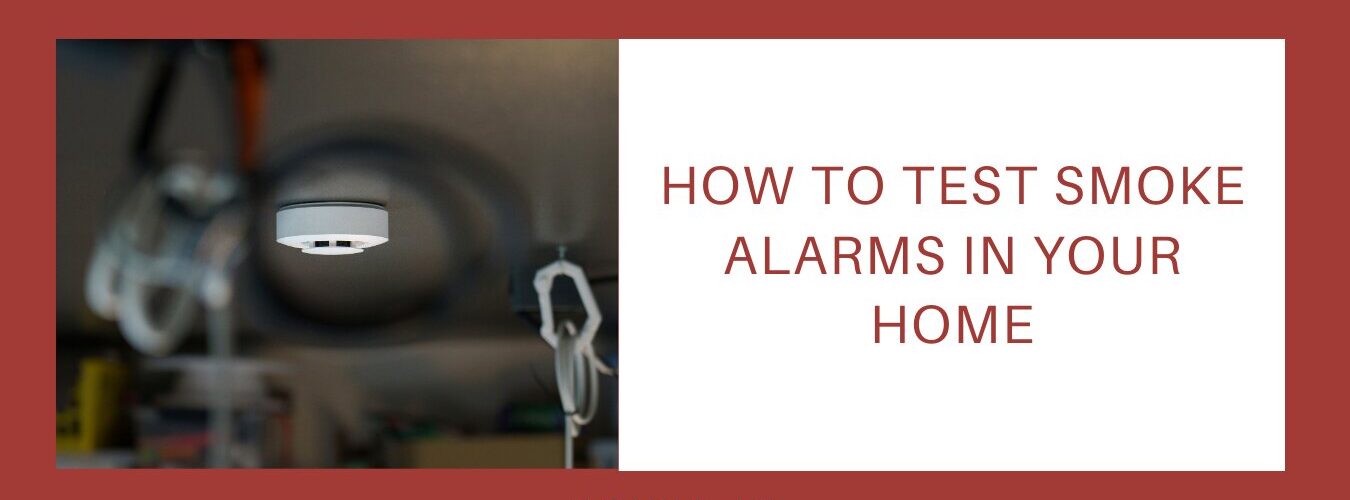
You finally remember to check your smoke alarms on a quiet Saturday morning. Then a question pops up: if you press the test button, will every alarm in the house start blaring? Many homeowners avoid testing their alarms for exactly that reason. Interconnected systems can be loud; children may be sleeping, pets often panic, and nobody wants unnecessary noise if there is a safer way to check everything. Understanding how to test smoke detectors correctly allows you to confirm that your alarms work without creating unnecessary disruption. Different alarm types require different testing methods, and some approaches are much quieter than others.
The problem is that smoke alarms are one of the few home safety devices that people rarely think about until they start chirping or an emergency occurs. According to fire safety organizations, a significant number of home fire deaths occur in properties where smoke alarms are missing, disabled, or not functioning properly.
This guide explains exactly how to test every major smoke detector type, what tools to use, and how to avoid triggering a full-house alarm whenever possible.
Why Regular Smoke Detector Testing Matters

Smoke detectors are designed to provide early warning when smoke is present. However, batteries weaken, sensors collect dust, wiring connections fail, and electronics eventually wear out.
Testing helps verify that:
- The detector receives power
- The alarm speaker works properly
- Communication between interconnected units functions correctly
- Smart features remain operational
- The sensor has not failed
A detector that looks perfectly normal on the ceiling may not respond during an actual fire.
Most manufacturers recommend monthly testing and annual maintenance. Taking a few minutes each month can significantly improve household safety.
Understanding Different Types of Smoke Detectors

Before learning how to test smoke detectors, it helps to identify which type is installed in your home.
Battery-Powered Smoke Detectors
These units operate entirely from replaceable batteries.
Common characteristics include:
- No electrical wiring
- Easy installation
- Single-unit operation
- Regular battery replacement requirements
Battery-powered models are often found in older homes, apartments, and rental properties.
Hardwired Smoke Detectors
Hardwired alarms connect directly to household electrical wiring.
Features typically include:
- Continuous electrical power
- Backup battery
- Higher reliability
- Potential interconnection capability
Many building codes now require hardwired units in newer homes.
Interconnected Smoke Alarms
These systems communicate with one another.
When one detector senses danger:
- All alarms activate
- Alerts are heard throughout the home
- Occupants receive earlier warnings
Interconnected systems may use wired or wireless communication.
Smart Smoke Detectors
Smart models connect to mobile applications and home networks.
Additional features often include:
- Smartphone alerts
- Remote testing capabilities
- Device diagnostics
- Voice notifications
- Sensor status reporting
Examples include Wi-Fi-enabled and smart-home-integrated alarms.
How to Test Smoke Detectors Safely Without Setting Off Every Alarm

Many homeowners search for how to test smoke detectors because they want to avoid triggering every unit simultaneously.
The safest approach depends on the detector type.
Try these steps first:
- Read the manufacturer’s instructions.
- Notify family members before testing.
- Test during daytime hours.
- Keep pets in another room if alarms are interconnected.
- Use app diagnostics when available.
Remember that some interconnected systems are specifically designed to activate all alarms during testing. This behavior confirms that communication between units works properly.
The goal should not be avoiding all sound. Instead, focus on preventing unnecessary disruption while still confirming full functionality.
How to Test Smoke Detectors Using the Built-In Test Button

For most homes, the test button remains the simplest method.
Learning how to test smoke detectors begins with understanding what this button actually checks.
The test button verifies:
- Power supply
- Internal electronics
- Alarm speaker
- Communication systems on supported models
Step-by-Step Process
Follow these steps:
- Locate the detector.
- Use a stable ladder if necessary.
- Press and hold the test button.
- Wait for the alarm response.
- Listen for a strong, clear sound.
- Release the button after testing.
For interconnected systems, additional units may activate shortly afterward.
If no sound occurs, troubleshooting is necessary.
Common Mistakes to Avoid
Several mistakes can create misleading results.
Avoid:
- Tapping the button too quickly
- Ignoring weak alarm volume
- Testing with depleted batteries
- Covering detector openings
- Assuming all alarms are functioning because one alarm sounds
A successful test should produce a loud, unmistakable alert.
Testing Smoke Detectors With Manufacturer Apps

Modern smart alarms provide another way to verify performance.
Many homeowners researching how to test smoke detectors are surprised to learn that smartphone apps can perform diagnostic checks.
App-based testing may include:
- Battery monitoring
- Sensor status verification
- Network connectivity checks
- Device health reports
- Remote notifications
Some systems even provide guided testing procedures.
App diagnostics reduce guesswork and often identify issues before alarm performance declines.
However, app testing should not completely replace periodic physical testing.
Using Smoke Test Aerosol Instead of Real Smoke

Aerosol smoke testing provides one of the most accurate methods available.
Unlike pressing a test button, aerosol testing evaluates the sensor itself.
Benefits include:
- Realistic smoke simulation
- Sensor verification
- Safe operation
- Cleaner than burning materials
Never use:
- Candles
- Matches
- Paper fires
- Cigarettes
- Incense sticks
These methods create contamination and may damage sensors.
Professionals often use smoke-testing aerosols during inspections because they closely replicate actual smoke conditions.
When learning how to test smoke detectors, aerosol testing is one of the best ways to confirm sensor responsiveness.
How to Test Interconnected Smoke Detector Systems

Interconnected systems require additional verification.
Understanding how to test smoke detectors in these networks involves checking both the individual unit and communication between devices.
A proper interconnected test should confirm:
- The initiating detector activates
- Other alarms receive the signal
- Every alarm sounds correctly
- Communication delays remain minimal
A useful process involves:
- Start with one detector.
- Press and hold the test button.
- Wait for secondary alarms.
- Verify each unit responds.
- Repeat at another detector location.
This approach confirms network-wide functionality.
Large homes should periodically test multiple locations because communication problems can develop over time.
Troubleshooting Failed Smoke Detector Tests

When a detector fails testing, several causes are possible.
Weak Batteries
Low batteries remain the most common issue.
Symptoms include:
- Chirping sounds
- Weak alarm volume
- Inconsistent operation
Replace batteries immediately if performance appears questionable.
Dirty Sensors
Dust buildup can interfere with detector performance.
Cleaning typically involves:
- Turning off power if applicable
- Using a vacuum attachment
- Removing loose dust
- Following manufacturer recommendations
Excessive contamination may require replacement.
Wiring Problems
Hardwired alarms depend on stable electrical connections.
Potential issues include:
- Loose wiring
- Tripped breakers
- Aging connections
- Improper installations
Electrical problems should be addressed carefully, often with professional assistance.
Expired Units
Smoke alarms do not last forever.
Most manufacturers recommend replacement approximately every 10 years.
Check the manufacturing date on the detector housing.
An expired unit may appear functional while delivering reduced protection.
Recommended Smoke Detector Testing Schedule

One of the most common questions regarding how to test smoke detectors is how often testing should occur.
A practical schedule looks like this:
| Task | Frequency |
|---|---|
| Test alarm button | Monthly |
| Clean detector | Every 6 months |
| Replace batteries (if needed) | Annually |
| Inspect wiring | Annually |
| Replace detector | About every 10 years |
Adding reminders to a phone calendar helps maintain consistency.
Many homeowners choose the first weekend of each month.
Signs Your Smoke Detector Needs Replacement

Testing alone cannot solve every problem.
Watch for these warning signs:
- Detector older than 10 years
- Frequent false alarms
- Repeated chirping after battery replacement
- Yellowed plastic housing
- Failure during testing
- Physical damage
- Corrosion inside battery compartments
Even if a detector still sounds during testing, age-related sensor degradation may reduce effectiveness.
Knowing how to test smoke detectors is important, but recognizing when replacement is necessary is equally valuable.
Frequently Asked Questions
How often should smoke detectors be tested?
Most manufacturers recommend monthly testing. This schedule helps identify power issues, battery problems, and alarm failures before an emergency occurs.
Can I test a smoke detector without pressing the test button?
Yes. Aerosol smoke testing can verify the sensor directly. Some smart detectors also provide app-based diagnostics that supplement physical testing.
Will testing trigger all alarms in the house?
Possibly. Interconnected systems are designed so one detector can activate others. This behavior confirms communication between devices and is generally considered normal.
What is the safest way to test a smart smoke detector?
Use the manufacturer’s app diagnostics first, then perform a physical test using the built-in test button or approved smoke-testing aerosol according to instructions.
How long do smoke detectors last?
Most smoke alarms should be replaced approximately every 10 years. Always verify the replacement interval specified by the manufacturer.
Conclusion
Learning how to test smoke detectors does not have to mean setting off every alarm in your home unexpectedly. Battery-powered units, hardwired alarms, interconnected systems, and smart detectors can all be tested safely when you use the appropriate method.
For most homeowners, the built-in test button provides the fastest check. Aerosol testing offers deeper sensor verification, while smart-device diagnostics add another layer of confidence. Interconnected systems deserve special attention because communication between alarms is just as important as the alarm itself.
A simple year-round maintenance checklist includes:
- Test alarms monthly
- Replace batteries as required
- Clean detectors every six months
- Verify interconnected alarms communicate correctly
- Replace aging units after roughly 10 years
- Investigate failed tests immediately
By understanding how to test smoke detectors properly and following a consistent schedule, you can maintain reliable protection without unnecessary noise, confusion, or guesswork.


Leave a Reply