A motion alert from your Pro Standard security system appears on your phone while you’re stuck in a meeting. The camera detects movement near the back door, but the footage is too blurry to identify whether it’s a delivery driver, a family member, or someone attempting to break in. At that moment, you have only seconds to decide whether to ignore the alert or take action.
This situation is exactly why many homeowners question whether smartphone notifications alone provide enough protection. While modern security cameras, smart locks, and door sensors can instantly send alerts to your phone, those notifications are only useful if you’re available to see them and respond immediately.
That’s where professional monitoring enters the picture. This guide explains how pro standard monitoring works, what it typically costs, the benefits and limitations compared with self-monitoring, and whether the added monthly expense is a worthwhile investment for your home or business.
What Is Pro Standard Security Monitoring?

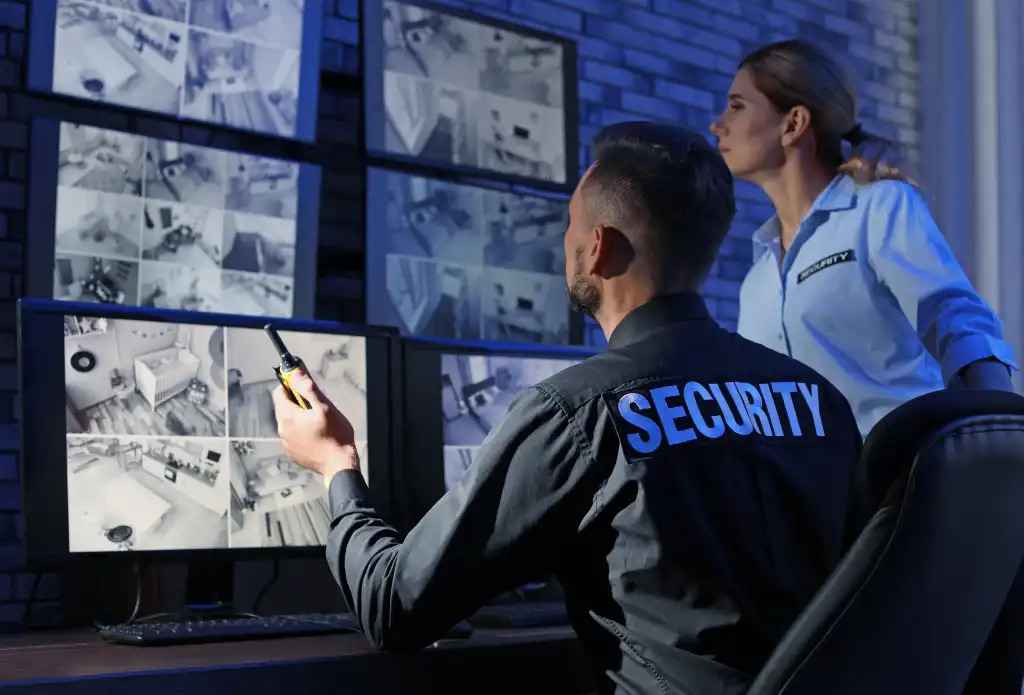
Pro standard monitoring is a professionally managed security service in which trained operators monitor alarm events 24 hours a day, seven days a week.
Unlike self-monitored systems that rely on homeowners to respond to notifications, professional monitoring provides a dedicated team to evaluate alarms and contact emergency services when necessary.
A typical monitored security system includes:
- Door and window sensors
- Motion detectors
- Smoke and fire alarms
- Carbon monoxide detectors
- Security cameras
- Panic buttons
When an alarm is triggered, information is transmitted to an alarm monitoring center. Operators review the event and follow established procedures to determine whether emergency assistance is required.
For many homeowners, the biggest benefit is simple: someone is always watching even when they cannot.
How Professional Monitoring Works With Pro Standard Services

Most people understand that monitoring centers respond to alarms, but fewer know what actually happens behind the scenes.
A professional monitoring service follows a structured process designed to reduce false alarms while ensuring emergencies receive quick attention.
What Happens During an Alarm Event
Imagine a motion sensor activates at 2:15 a.m.
The system immediately sends a signal to the monitoring center.
An operator may:
- Review alarm information.
- Check available video verification.
- Contact the homeowner.
- Contact secondary emergency contacts.
- Request police, fire, or medical dispatch if necessary.
Some modern systems complete this process within seconds.
Video verification has become increasingly important because many police departments prioritize alarms that include visual evidence.
This means professionally monitored systems can sometimes receive faster emergency response compared to standard alarm notifications.
How Monitoring Centers Communicate With Emergency Services
Monitoring centers maintain direct communication channels with local emergency dispatch agencies.
Once operators verify a potential emergency, they provide critical information including:
- Property address
- Type of alarm
- Time of activation
- Sensor involved
- Video evidence if available
The process reduces confusion and provides first responders with useful details before arrival.
A homeowner receiving a smartphone alert may need several minutes to assess the situation. Monitoring professionals can often begin the response process immediately.
Pro Standard vs Self-Monitoring

One of the biggest decisions homeowners face is choosing between self-monitoring and pro standard monitoring.
Both approaches have advantages, but they serve different needs.
| Feature | Self-Monitoring | Professional Monitoring |
| Monthly Fee | Low or none | Monthly subscription |
| Emergency Dispatch | User initiates | Monitoring center initiates |
| 24/7 Coverage | No | Yes |
| Vacation Protection | Limited | Strong |
| Response During Phone Outage | Limited | Available |
| Elderly Protection | Limited | Strong |
Self-monitoring works well for homeowners who:
- Stay close to home
- Frequently check notifications
- Want to avoid monthly fees
Professional monitoring works better for people who:
- Travel often
- Work long hours
- Own rental properties
- Want emergency backup
The right choice depends less on technology and more on lifestyle.
Benefits of Pro Standard Monitoring

Many buyers initially focus on burglary protection. However, intrusion detection is only one part of the value.
Faster Emergency Response
Speed matters during emergencies.
According to fire safety organizations, a small residential fire can grow significantly within minutes. Similarly, carbon monoxide exposure can become dangerous before occupants recognize symptoms.
A professionally monitored system reduces delays by placing trained personnel between the alarm and emergency services.
Instead of relying solely on a homeowner noticing a phone notification, operators can begin verification immediately.
That additional layer may save valuable time during critical situations.
Monitoring While You Are Away
One of the strongest arguments for pro standard monitoring is protection during travel.
Consider a homeowner who spends two weeks on vacation.
Several things could happen:
- A break-in attempt
- A smoke alarm activation
- A burst pipe triggering water sensors
- A carbon monoxide alert
Without monitoring, alerts might go unnoticed if the homeowner loses internet access or misses notifications.
With professional monitoring, someone remains available around the clock.
Vacation homes and seasonal properties benefit especially from this feature.
Reduced Risk of Missed Alerts
Smartphone alerts are useful, but they are not foolproof.
Notifications can be:
- Muted
- Delayed
- Missed during meetings
- Lost due to poor cellular coverage
Professional monitoring creates redundancy.
Even if the homeowner does not see an alert, the monitoring center still receives alarm information and follows established procedures.
For families with elderly relatives or children at home, this backup layer often provides peace of mind that technology alone cannot offer.
Potential Drawbacks and Costs of Pro Standard Monitoring

While professional monitoring provides advantages, it is not perfect.
Understanding the downsides helps homeowners make informed decisions.
Monthly Monitoring Fees
The most obvious drawback is cost.
Monitoring subscriptions typically range from:
- $10–$20 per month for basic plans
- $20–$40 per month for standard plans
- $40–$70+ per month for premium plans
Over five years, even a modest monthly fee becomes a meaningful expense.
For budget-conscious homeowners, this ongoing cost deserves careful consideration.
Long-Term Contracts
Some providers require multi-year agreements.
A contract may include:
- Early termination fees
- Equipment financing obligations
- Service commitments
Before choosing a pro standard monitoring package, review contract terms carefully.
Many newer providers now offer month-to-month options, but contract requirements still exist in parts of the industry.
Situations Where Monitoring May Not Be Necessary
Professional monitoring is not essential for every property.
For example:
- Small apartments with strong building security
- Homes occupied nearly all day
- Properties with nearby family support
In these cases, self-monitoring may provide enough protection at a lower cost.
The key is matching the level of monitoring to actual risk rather than buying features that may never be used.
Real-World Scenarios Where Pro Standard Monitoring Helps

Security decisions become easier when viewed through real-life situations.
Burglary Attempts
A homeowner receives a notification after a back door sensor activates.
If they are asleep, traveling, or unable to answer their phone, the monitoring center can begin verification immediately.
Video-enabled systems may provide evidence that supports emergency dispatch.
Smoke Alarms
House fires often develop rapidly.
If smoke detectors activate while occupants are away, professional monitoring can contact emergency services even when nobody is home.
This response may reduce property damage significantly.
Carbon Monoxide Alerts
Carbon monoxide cannot be seen or smelled.
Monitoring services can escalate dangerous alerts even when occupants are unaware of the threat.
Medical Emergencies
Many systems support panic buttons and medical alert integrations.
An elderly homeowner experiencing a fall can request help quickly without needing to make a phone call.
Vacation Properties
Second homes present unique challenges.
Owners may live hundreds of miles away.
A professionally monitored system ensures someone responds even when the property is empty for weeks or months.
Cost Comparison: Self-Monitoring vs Pro Standard Monitoring

The financial difference often influences purchasing decisions.
Self-Monitoring
Typical cost:
- Equipment only
- $0–$10 monthly
Best for:
- Tech-savvy homeowners
- Budget-conscious users
- Occupied properties
Basic Professional Monitoring
Typical cost:
- $10–$25 monthly
Features:
- Alarm verification
- Emergency dispatch
- 24/7 monitoring
Premium Professional Monitoring
Typical cost:
- $30–$70+ monthly
Features:
- Video verification
- Cellular backup
- Environmental monitoring
- Smart home integration
When comparing costs, remember that the value comes from response capability rather than hardware alone.
Who Should Consider ProStandard Monitoring?

Not every homeowner needs the same level of protection.
Families
Parents often appreciate having another layer of security when children are home alone.
Elderly Homeowners
Medical emergencies and mobility concerns make monitoring especially valuable.
Frequent Travelers
Those who spend significant time away from home benefit from continuous oversight.
Rental Property Owners
Monitoring can provide faster awareness of emergencies affecting tenants or property.
Small Businesses
Business owners may not be available around the clock, making professional monitoring useful for after-hours protection.
Questions to Ask Before Signing Up

Before choosing a provider, ask these questions.
Service Checklist
- Is monitoring available 24/7?
- Does the system include cellular backup?
- Are video verification features offered?
- What is the average alarm response process?
Cost Checklist
- What are monthly fees?
- Are contracts required?
- Are equipment costs included?
- Are there cancellation fees?
Support Checklist
- Is technical support available around the clock?
- Can multiple users receive alerts?
- Are mobile apps included?
Comparing providers using the same checklist helps avoid surprises later.
Is Pro Standard Worth the Extra Cost?

Whether Pro Standard monitoring is worth the extra cost depends on risk, lifestyle, and expectations.
For homeowners who:
- Travel frequently
- Own larger properties
- Have elderly family members
- Want 24/7 protection
Professional monitoring often provides meaningful value.
For homeowners who:
- Rarely leave home
- Prefer self-management
- Want to minimize recurring costs
Self-monitoring may be sufficient.
The decision ultimately comes down to whether you want alerts only or a dedicated response team ready to act when something happens.
Frequently Asked Questions
What does professional monitoring actually do?
Professional monitoring connects your alarm system to trained operators who verify alarms and contact emergency services when necessary.
Is professional monitoring required?
No. Many systems offer self-monitoring options without professional oversight.
How much does professional monitoring cost?
Most services range from about $10 to $70 per month depending on features.
Can I switch from self-monitoring later?
In many cases, yes. Many providers allow upgrades without replacing equipment.
Does monitoring work during internet outages?
Many systems use cellular backup to continue transmitting alarm signals.
Are false alarms a problem?
False alarms occur, but verification procedures help reduce unnecessary dispatches.
Is professional monitoring worth it for apartments?
It can be, particularly for residents who travel frequently or want additional emergency support.
Conclusion
Choosing between self-monitoring and pro standard monitoring is not simply about technology. It is about deciding how much support you want when an emergency occurs.
Professional monitoring adds trained operators, emergency dispatch assistance, and around-the-clock oversight that smartphone alerts alone cannot provide. For families, travelers, elderly homeowners, rental property owners, and small businesses, that additional protection may justify the recurring monthly fee.
At the same time, self-monitoring remains a practical option for many people who stay connected to their devices and prefer lower ongoing costs.
Before making a decision, evaluate your daily routine, travel habits, property risks, and budget. Compare monitoring plans carefully, review contract terms, and determine whether having a dedicated response team available 24/7 would provide meaningful value for your situation. The right choice is the one that aligns with both your security needs and your comfort level.

Leave a Reply