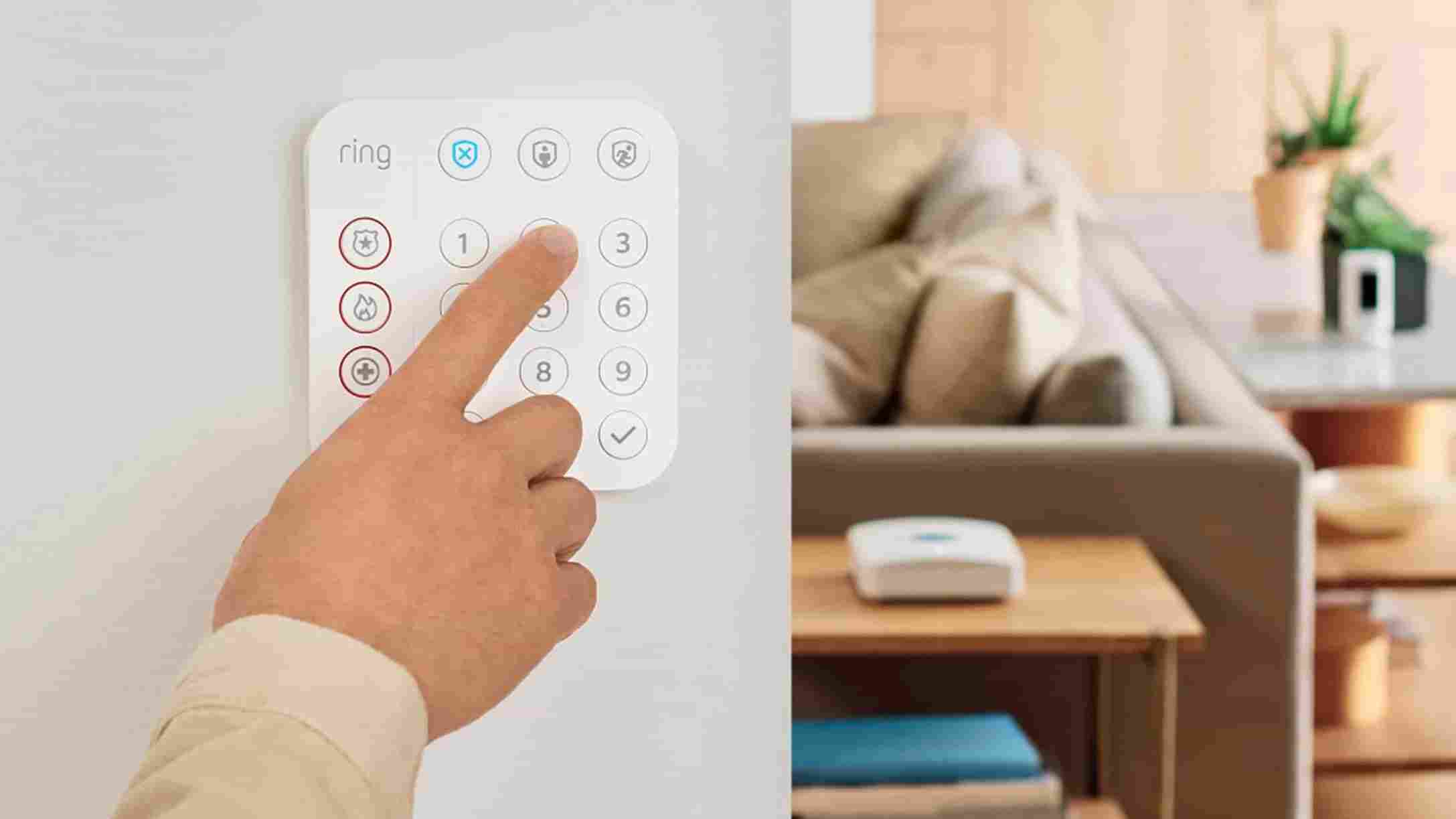
A homeowner installs a new Ring Alarm System over the weekend, mounts a motion detector in the hallway, places contact sensors on the front door, and completes the entire setup in under an hour. Everything seems to work perfectly. The app shows every device online, alerts arrive instantly, and the system arms and disarms without any obvious problems.
A few weeks later, an intruder slips into the house through an unprotected side window. No alarm sounds, no motion is detected, and no notification reaches the homeowner. The equipment never malfunctioned. Instead, a small installation oversight left a critical entry point completely exposed.
Situations like this happen more often than many homeowners expect. Even the most advanced security equipment can leave serious vulnerabilities if sensors are placed incorrectly, important settings are overlooked, or key access points are left unprotected. Most security failures are caused by installation mistakes rather than defects in the hardware itself.
The good news is that these issues are usually easy to fix. By understanding the most common setup mistakes and making a few strategic adjustments, homeowners can significantly improve their security system’s effectiveness without purchasing any additional devices.
Why Proper Alarm Placement Matters More Than Most People Realize

Security equipment is only as effective as its placement. Even premium devices can miss important events when installed in the wrong location.
Many homeowners focus on covering the main entrance while overlooking secondary access points. According to crime prevention studies, burglars often prefer side doors, rear entrances, basement windows, and other less visible access points.
A properly configured Ring alarm system should create multiple layers of detection rather than relying on a single sensor.
Consider a typical home:
- Front door sensor
- Back door sensor
- Ground-floor window protection
- Interior motion coverage
- Garage entry monitoring
If one layer fails, another can still trigger an alert.
This layered approach significantly reduces the likelihood of an undetected entry.
The Most Common Ring Alarm System Setup Mistakes

Many installation mistakes are surprisingly easy to fix once identified.
Leaving Ground-Floor Windows Unprotected
Homeowners often prioritize doors while neglecting windows.
Yet many residential break-ins occur through accessible first-floor windows. A burglar doesn’t need to force a front door if an unlocked side window provides easier access.
Walk around your property and identify:
- Bedroom windows
- Basement windows
- Side-facing windows
- Garage windows
Any accessible opening should be considered a potential entry point.
Incorrect Motion Sensor Placement
Motion detectors work best when positioned strategically.
A common mistake is mounting sensors directly facing a doorway. Most motion devices detect movement more effectively when people move across the field of view rather than directly toward it.
For example:
- Hallways often provide excellent coverage.
- Staircases create predictable movement paths.
- Main traffic routes allow wider detection zones.
Many Ring alarm sensors can cover approximately 30 feet under ideal conditions, but furniture, walls, and room layouts affect performance.
Creating Blind Spots Near Entry Points
Furniture placement can unintentionally block detection zones.
Large bookcases, room dividers, and decorative screens sometimes create areas where movement remains undetected.
After installation, physically walk through each room while testing sensor coverage.
You may discover unexpected gaps that aren’t visible from the sensor’s location.
Ignoring Secondary Doors
Homeowners frequently secure:
- Front doors
- Main entrances
But overlook:
- Garage service doors
- Patio doors
- Basement doors
- Side entrances
A complete ring alarm system setup should include every realistic point of entry.
Weak Wi-Fi Coverage Around Sensors
Wireless security devices depend on stable communication.
Detached garages, basements, and distant rooms often experience weaker signals.
Symptoms include:
- Delayed alerts
- Offline devices
- Intermittent connectivity
Before finalizing installation, verify signal strength throughout the property.
In some homes, a mesh network or extender significantly improves reliability.
Forgetting to Test Devices After Installation
Many users assume setup is complete once devices appear in the mobile app.
That assumption creates unnecessary risk.
Every sensor should be tested individually.
A five-minute verification process can reveal:
- Weak batteries
- Improper placement
- Connectivity problems
- Incorrect settings
Ring Alarm System Sensor Placement Best Practices

A properly configured Ring alarm system starts with thoughtful sensor positioning.
Front Door Placement
The front door remains one of the most important locations.
Install entry sensors where:
- Magnets align properly
- Doors fully close
- Weather conditions won’t interfere
After installation, open and close the door multiple times while monitoring app notifications.
Back Door Protection

Rear entrances are often hidden from neighbors and passing traffic.
Because of this, burglars frequently target them.
Place contact sensors securely and verify notifications trigger immediately when the door opens.
Consider adding motion coverage near rear access points for additional protection.
Garage Entry Security
Attached garages deserve special attention.
Many homeowners secure the main garage door but ignore the interior door connecting the garage to the house.
This interior doorway should receive the same level of protection as the front entrance.
A properly configured Ring alarm system treats garage access as a priority rather than an afterthought.
Window Coverage Strategies

Not every window requires a sensor.
Focus first on:
- Ground-floor windows
- Basement windows
- Hidden side windows
- Easily accessible openings
Large homes may require additional sensors to achieve complete coverage.
Mistakes That Affect Emergency Response

Physical security is only part of the equation.
Administrative errors can delay emergency action.
Incorrect Address Information
An outdated address creates serious problems.
If monitoring personnel dispatch emergency services to the wrong location, valuable minutes may be lost.
Review address information periodically, especially after moving or updating account settings.
Outdated Contact Lists
Emergency contacts change over time.
Many homeowners forget to update:
- Phone numbers
- Family contacts
- Backup contacts
Review these details every few months.
Notification Settings Problems
Notification overload causes people to disable alerts.
The opposite problem is equally dangerous.
Some users accidentally disable important security notifications while adjusting app preferences.
Check:
- Push notifications
- Alarm alerts
- Device status alerts
- Connectivity warnings
The Ring alarm system can only notify you if notifications remain enabled.
How to Test Your Entire Security Setup

Testing should become part of routine home maintenance.
Monthly Testing Checklist
Once each month:
- Arm the system.
- Open each protected door.
- Trigger each protected window.
- Verify alerts arrive.
- Confirm sirens activate properly.
This process typically takes less than 15 minutes.
Sensor Verification Process
Check every device individually.
Look for:
- Battery warnings
- Delayed responses
- Communication issues
- Physical damage
Addressing small issues early prevents larger problems later.
Motion Detector Testing
Walk through detection zones slowly and then at normal speed.
Verify that motion detection occurs consistently.
Repeat testing from different directions.
Backup Power Checks
Power outages occur unexpectedly.
Ensure backup batteries remain functional.
A Ring alarm system equipped with healthy backup power can continue protecting the home during electrical interruptions.
Internet Outage Checks
Internet service interruptions can affect connectivity.
Review how your setup behaves when internet access is temporarily unavailable.
Understanding these limitations prevents confusion during actual outages.
Security Gaps Burglars Commonly Exploit

Criminals often choose the easiest route rather than the most obvious one.
Sliding Doors
Sliding doors are frequently overlooked.
Even when locked, some older models remain vulnerable.
Monitor these locations with entry sensors and consider supplemental physical security measures.
Basement Entries
Basement access points are often hidden from public view.
These locations deserve the same level of protection as primary entrances.
Detached Garages
Detached structures often contain:
- Tools
- Bicycles
- Equipment
- Valuable storage
Unfortunately, they frequently receive less security attention than the main residence.
Hidden Side Entrances
Side pathways can conceal activity from neighbors and passing traffic.
Motion detection and proper lighting reduce vulnerability.
Poorly Lit Areas
Lighting remains one of the most effective crime deterrents.
Motion-activated lighting can discourage suspicious activity before a break-in occurs.
Creating a Layered Home Security Strategy

The strongest protection comes from combining multiple security measures.
A Ring alarm system works best as part of a broader strategy.
Alarm System Layer
Door sensors, window sensors, and motion detectors provide intrusion detection.
This creates the foundation of home protection.
Camera Layer
Visible cameras can discourage opportunistic criminals.
Video evidence also provides valuable information after an incident.
Lighting Layer
Exterior lighting improves visibility and reduces hiding places.
Focus on:
- Side yards
- Driveways
- Rear entrances
- Walkways
Smart Lock Layer
Smart locks improve access control and allow homeowners to monitor entry activity remotely.
Neighborhood Awareness
Strong community awareness remains valuable.
Neighbors who recognize unusual activity often notice problems before technology does.
The most effective Ring alarm system installations complement, rather than replace, neighborhood vigilance.
When to Upgrade or Add Additional Sensors

As homes change, security needs often change as well.
Large Homes
Larger properties usually require additional detection zones.
Coverage that works in a small home may leave gaps in a larger residence.
Multi-Story Homes
Each level introduces new entry points and movement patterns.
Additional sensors may improve protection significantly.
Home Additions
Renovations frequently alter traffic flow and create new access points.
Review security coverage whenever living space expands.
Detached Structures
Workshops, sheds, guest houses, and detached garages may benefit from additional monitoring.
An expanded Ring alarm system can often protect these areas with added sensors and devices.
Frequently Asked Questions
How often should I test my Ring alarm system?
Monthly testing is generally recommended. Regular verification helps identify sensor issues, battery problems, and connectivity concerns before they affect security.
Where should motion sensors be installed?
Motion detectors typically perform best in hallways, staircases, and major traffic paths where people naturally move across the sensor’s field of view.
Can Wi-Fi issues affect alarm performance?
Yes. Weak wireless coverage may cause delayed alerts, offline devices, or inconsistent communication between devices and the alarm base station.
How many sensors does an average home need?
The answer depends on home size and layout. Most households require sensors on primary doors, secondary doors, and selected ground-floor windows at minimum.
What happens if power goes out?
Many systems include backup batteries that continue operating during temporary outages. Testing backup power regularly is important.
Are window sensors necessary on every window?
Not always. Priority should be given to accessible ground-floor windows, basement windows, and openings hidden from public view.
Conclusion
Most security vulnerabilities aren’t caused by defective equipment. They’re created by overlooked installation decisions. Unprotected windows, poorly placed motion detectors, weak Wi-Fi coverage, and incomplete testing can all leave significant gaps in an otherwise capable Ring alarm system.
Today, walk through your property as if you were evaluating it from an intruder’s perspective. Check every door, window, garage entrance, and basement access point. Verify that Ring alarm sensors communicate properly, confirm notifications are enabled, and test each device individually.
Those simple steps often reveal weaknesses that can be corrected in minutes. A properly configured Ring alarm system doesn’t just add security devices to a home—it creates a coordinated defense that reduces blind spots, improves response times, and provides far greater peace of mind.



Leave a Reply