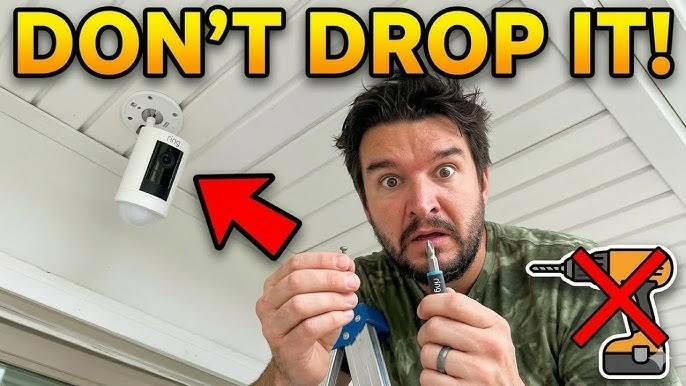
A homeowner installs a camera above the garage, checks the live view, and feels confident the property is protected. A few weeks later, a package disappears from the front porch. When reviewing the footage, they discover the theft happened just outside the camera’s viewing area. The camera wasn’t the problem. The placement was. A properly placed Ring Stick Up Cam can monitor visitors, record suspicious activity, and help eliminate blind spots around your property. The same camera installed a few feet too high, too low, or pointed in the wrong direction may miss critical events.
This guide explains exactly where to place a Ring Stick Up Cam for maximum effectiveness. You’ll learn the best mounting heights, common mistakes to avoid, and 15 strategic locations that can dramatically improve coverage around your home. Whether you’re protecting a small townhouse or a large suburban property, these recommendations will help you get more value from every camera you install.
Why Camera Placement Matters More Than Camera Features

Many buyers assume better technology automatically means better security.
In reality, placement often matters more than resolution upgrades.
For example, a 1080p camera aimed directly into the afternoon sun may capture less useful footage than an older camera positioned correctly under a covered porch.
The goal isn’t simply recording activity. The goal is recording useful activity.
Good placement helps:
- Improve motion detection accuracy
- Reduce false alerts
- Eliminate blind spots
- Capture faces more clearly
- Increase overall property coverage
I’ve seen homeowners spend hundreds of dollars adding extra cameras when a simple relocation of an existing unit solved the problem.
Understanding Ring Stick Up Cam Field of View

Before deciding where to install a Ring Stick Up Cam, it’s important to understand what the camera can actually see.
Most modern smart security cameras provide a wide viewing angle, but wide doesn’t mean unlimited.
Motion Detection
Under normal conditions:
- Reliable motion detection often occurs within 20–30 feet
- Detection quality decreases with distance
- Side-to-side movement triggers motion more effectively than movement directly toward the camera
For example, someone walking across a driveway is often detected sooner than someone approaching straight toward the lens.
Visibility Limitations
Trees, vehicles, fences, and landscaping can block important areas.
Even a camera with a wide field of view cannot see through:
- Bushes
- Parked trucks
- Solid fences
- Garage walls
Always evaluate what may obstruct visibility throughout the day.
Best Ring Stick Up Cam Placement Principles

Recommended Mounting Height
Height significantly affects image quality.
For outdoor installations:
- 8–10 feet typically works best
For indoor installations:
- 7–9 feet often provides optimal coverage
A camera mounted too low may be vulnerable to tampering.
A camera mounted too high may capture the tops of heads rather than facial details.
Avoiding Blind Spots
Walk around your property before installation.
Ask yourself:
- Where would someone approach?
- Where could a package thief hide?
- Which areas are hidden from street view?
These locations often deserve priority coverage.
Managing Sunlight and Glare
Sunlight can dramatically affect footage quality.
Avoid aiming cameras directly toward:
- Sunrise positions
- Sunset positions
- Reflective windows
A slight adjustment of only a few degrees can improve image clarity.
15 Best Ring Stick Up Cam Locations
Location #1: Front Door

The front door remains one of the most important locations.
Why it works:
- Captures visitors
- Records deliveries
- Monitors package activity
Ideal height:
- 8–9 feet
Viewing angle:
- Slight downward angle toward the entrance
Common mistake:
- Mounting directly above eye level, creating poor facial visibility
Best for:
- Every homeowner
Location #2: Front Porch
Porches often experience the highest delivery traffic.
A properly positioned Ring Stick Up Cam can monitor:
- Deliveries
- Visitors
- Package pickups
Ideal height:
- 8 feet
Common mistake:
- Pointing only toward the street rather than the porch area itself
Location #3: Driveway
Driveways serve as major access points.
Why it works:
- Records arriving vehicles
- Captures license plates under favorable conditions
- Monitors pedestrian traffic
Ideal height:
- 9–10 feet
Common mistake:
- Positioning too far from vehicle paths
Best for:
- Homes with multiple vehicles
Location #4: Garage Entrance

Garage entries often receive less attention than front doors.
Yet many intruders target garages first.
Ideal height:
- 9 feet
Viewing angle:
- Cover both garage doors and approach paths
Best for:
- Attached garages
Location #5: Side Yard
Side yards frequently become blind spots.
Why it works:
- Monitors narrow access routes
- Detects movement away from public view
Ideal height:
- 8–9 feet
Common mistake:
- Ignoring side access entirely
Location #6: Backyard

Many homeowners focus only on the front of the house.
The backyard deserves equal attention.
Why it works:
- Monitors fences
- Protects outdoor equipment
- Covers rear entry points
Ideal height:
- 9 feet
Best for:
- Homes with large lots
Location #7: Back Door
Rear entrances often experience less visibility from neighbors.
Why it works:
- Covers secondary entry points
- Records nighttime activity
Ideal height:
- 8 feet
Common mistake:
- Assuming front-facing cameras provide enough protection
Location #8: Patio
Patios often contain valuable items.
Examples include:
- Outdoor furniture
- Grills
- Electronics
Ideal height:
- 8–9 feet
Best for:
- Entertainment areas
Location #9: Gate Entrance
A gate often funnels movement into a predictable path.
This makes motion detection more reliable.
Ideal height:
- 8 feet
Viewing angle:
- Face approaching traffic
Common mistake:
- Positioning the camera behind the gate
Location #10: Detached Garage
Detached structures create unique security concerns.
Why it works:
- Protects tools
- Monitors storage areas
- Records vehicle access
Ideal height:
- 9–10 feet
Best for:
- Properties with separate buildings
Location #11: Basement Entry

Basement entrances are frequently overlooked.
Yet they may provide direct access to the home.
Ideal height:
- 8 feet
Common mistake:
- Assuming basement areas are naturally secure
Location #12: Pool Area
Pools introduce both security and safety concerns.
Why it works:
- Monitors activity
- Records unauthorized access
Ideal height:
- 8–10 feet
Best for:
- Homes with swimming pools
Location #13: Shed
Garden sheds often store expensive equipment.
Examples:
- Lawn mowers
- Power tools
- Seasonal equipment
Ideal height:
- 8 feet
Viewing angle:
- Focus on entry points
Location #14: Hallway
Indoor placement can be surprisingly effective.
A hallway camera may monitor movement between multiple rooms.
Ideal height:
- 7–8 feet
Common mistake:
- Installing too close to doorways
Best for:
- Interior monitoring
Location #15: Living Room
A living room location can provide broad interior coverage.
Why it works:
- Captures central traffic patterns
- Monitors valuable electronics
Ideal height:
- 7–9 feet
Best for:
- Indoor security monitoring
Common Ring Stick Up Cam Placement Mistakes

Several mistakes appear repeatedly.
Mounting Too High
Higher isn’t always better.
At 15 feet or higher, footage often loses useful facial detail.
Ignoring Nighttime Conditions
Many placements look perfect during the day.
At night, however:
- Porch lights
- Vehicle headlights
- Reflections
can create visibility issues.
Always test footage after dark.
Covering Too Large an Area
Trying to monitor an entire property with one camera rarely works.
Multiple focused views often outperform a single wide-angle setup, particularly in larger smart homes where cameras, sensors, and automation devices rely on stable communication through a smart home hub. If devices suddenly stop responding, diagnosing Wink smart home connection issues should be a priority.
Indoor vs Outdoor Placement Considerations

Indoor and outdoor installations have different goals.
Outdoor cameras typically focus on:
- Entry points
- Property boundaries
- Vehicle access
Indoor cameras often prioritize:
- Hallways
- Main living spaces
- Stairways
A battery-powered security camera installed indoors may also require less frequent maintenance because it faces fewer weather-related challenges.
How Many Cameras Does the Average Home Need?

The answer depends on property size.
Small homes may function well with:
- Front door camera
- Backyard camera
Medium-sized homes often benefit from:
- Front door
- Driveway
- Backyard
- Side yard
Larger properties may require six or more cameras to eliminate blind spots.
In many suburban neighborhoods, four strategically placed cameras provide excellent coverage.
When Professional Installation Makes Sense

DIY installation works for many homeowners.
However, professional installation may be worthwhile when:
- The home has multiple structures
- The property is unusually large
- Wiring is required
- Camera placement is complex
Professionals can often identify blind spots homeowners overlook.
I’ve personally seen installers improve coverage significantly by moving cameras only a few feet.
FAQ
What is the best height for a Ring Stick Up Cam?
Most outdoor installations perform best between 8 and 10 feet above the ground.
Can one camera cover an entire yard?
Usually not. Trees, fences, and buildings create blind spots that often require multiple cameras.
Should I point a camera toward the street?
Yes, if local regulations allow it and the camera also covers your property effectively.
How many Ring cameras do most homes need?
Most average-sized homes benefit from three to five cameras placed strategically around entry points.
Does camera placement affect motion detection?
Absolutely. Proper placement can significantly improve detection accuracy and reduce false alerts.
Conclusion
The best security camera in the world cannot protect areas it cannot see. That’s why placement should always come before adding more devices.
If you’re installing your first Ring Stick Up Cam, start with the front door or driveway. Those locations typically provide the greatest security value for most homeowners. Next, evaluate secondary entry points such as back doors, side yards, and garages.
Before finalizing any installation, use this quick checklist:
- Mount outdoor cameras between 8–10 feet high
- Avoid direct sunlight exposure
- Test footage during day and night
- Eliminate blind spots around entry points
- Confirm motion detection coverage before permanent mounting
Most importantly, don’t assume a camera is effective simply because it records video. Walk your property, think like a visitor or potential intruder, and position each camera where it captures the information that matters most. A few extra minutes spent planning placement today can provide significantly better protection tomorrow.




Leave a Reply