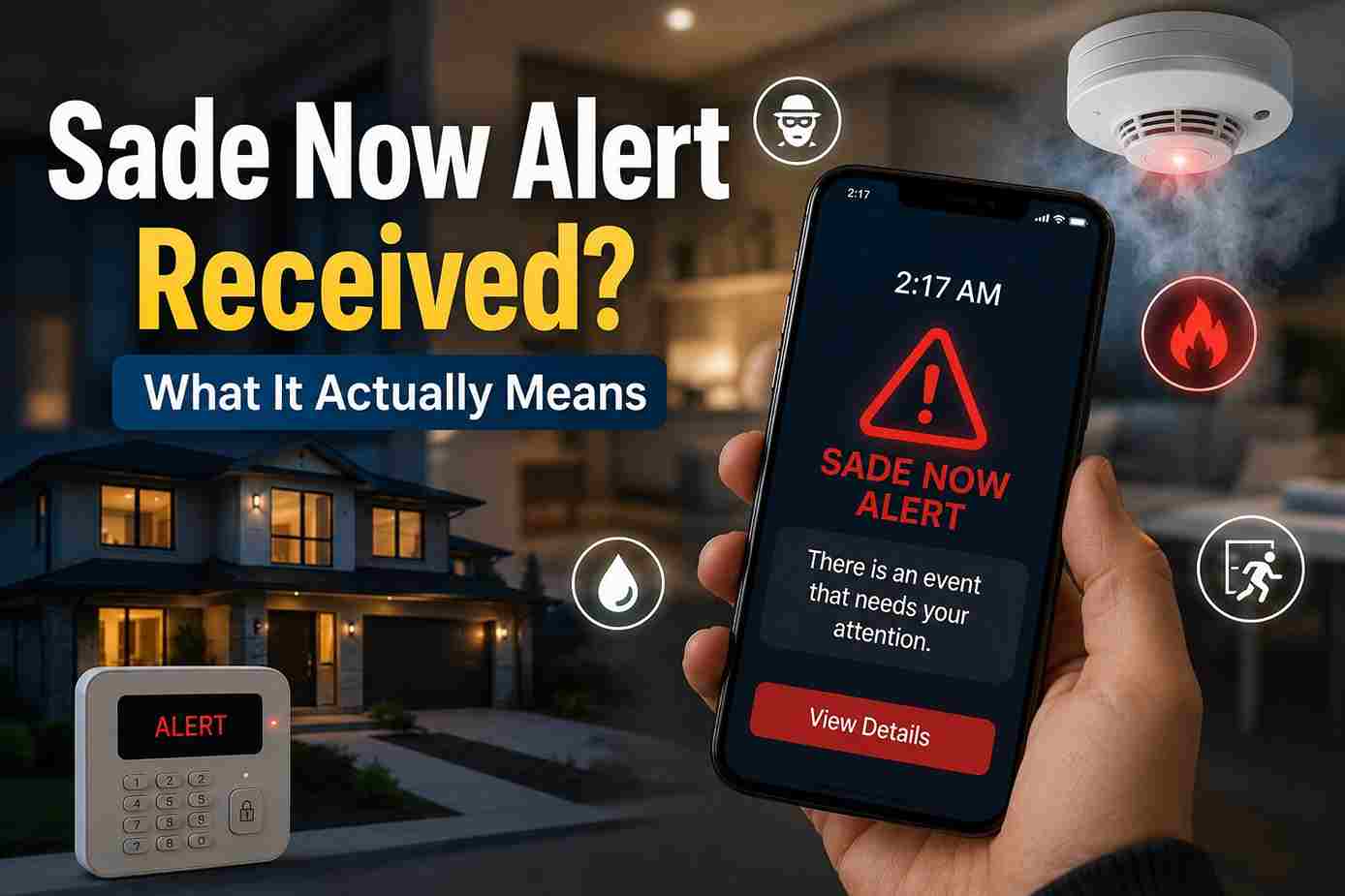
At 2:17 a.m., your phone suddenly blares an emergency alert while the security keypad near the front door flashes red. In those first few seconds, it can be difficult to tell whether the notification signals a real emergency, a system warning, or a minor issue that can wait until morning. For homeowners looking for reliable information about Sade now, understanding what these alerts mean is essential for responding quickly and confidently.
Today’s home security systems generate a wide range of notifications, from burglary alarms and smoke detection to low-battery warnings and device connection issues. While some alerts demand immediate action, others are simply informational updates that help you monitor activity around your property. Knowing the difference can prevent unnecessary panic while ensuring genuine emergencies receive the attention they deserve.
Whether alerts come from a home security system, a smart home device, or a local emergency notification service, recognizing the purpose behind each message can improve both your safety and your response time. This guide explains the most common home security alerts, how they’re delivered, which notifications require immediate action, and how to customize your alert settings for the best possible protection.
Understanding Modern Home Security Sade Now Alerts

Home security alerts are notifications generated when a system detects an event that may require attention. These alerts can come from sensors, cameras, smoke detectors, environmental monitors, or professional monitoring centers.
Years ago, most alarms simply sounded a siren. Today’s systems provide detailed information directly to smartphones, tablets, and monitoring stations.
Common sources of alerts include:
- Door and window sensors
- Motion detectors
- Security cameras
- Smoke detectors
- Carbon monoxide sensors
- Water leak detectors
- Glass-break sensors
- Smart locks
Many homeowners researching Sade now are trying to understand what a particular alert means and whether action is required. The answer often depends on the alert category and the system configuration.
Why Emergency Sade Now Notifications Matter

Emergency notifications exist because quick information leads to faster responses.
According to fire safety organizations, early detection can dramatically reduce property damage during residential fires. Similarly, rapid intrusion alerts can help law enforcement respond more effectively when a break-in occurs.
Without notifications, homeowners may not know about an incident until significant damage has already occurred.
Benefits of modern alerts include:
- Faster emergency response
- Remote property monitoring
- Reduced property damage
- Improved family safety
- Better awareness while traveling
When systems connected to Sade now generate alerts, understanding the urgency level can make a significant difference in how a situation unfolds.
Types of Home Security Alerts

Not every notification carries the same level of risk. Some alerts require immediate action, while others are primarily informational.
Intrusion Alerts
Intrusion alerts occur when unauthorized entry is detected.
Examples include:
- Door opening while the system is armed
- Window sensor activation
- Motion detected inside an empty home
- Glass-break sensor activation
These alerts typically trigger:
- Mobile notifications
- Sirens
- Monitoring center contact
- Potential police dispatch
If a homeowner receives a sade now intrusion notification, the safest approach is usually to verify activity through cameras before entering the property.
Fire and Smoke Alerts
Fire-related alerts are among the most urgent notifications a system can generate.
Modern smoke detectors can:
- Detect smoke particles
- Send smartphone alerts
- Notify monitoring centers
- Trigger evacuation protocols
Many monitored systems contact emergency services automatically if alarms remain active for a specified period.
Unlike burglary alerts, fire notifications should never be ignored even if they appear accidental.
Carbon Monoxide Alerts
Carbon monoxide is often called the silent killer because it cannot be seen or smelled.
CO alerts activate when dangerous levels accumulate inside a structure.
Potential causes include:
- Faulty furnaces
- Blocked vents
- Malfunctioning water heaters
- Portable generators used indoors
When receiving carbon monoxide notifications associated with Sade now, occupants should leave immediately and contact emergency services.
Water Leak Alerts
Water damage costs homeowners billions of dollars annually.
Leak sensors can detect:
- Burst pipes
- Water heater leaks
- Washing machine failures
- Basement flooding
Some smart systems automatically shut off the water supply after detection.
A small leak caught early can prevent thousands of dollars in repairs.
Medical Emergency Alerts
Certain security systems integrate medical alert functionality.
Examples include:
- Wearable panic buttons
- Fall detection devices
- Emergency response pendants
These alerts are especially useful for:
- Seniors living alone
- Individuals with mobility concerns
- People with chronic medical conditions
Severe Weather Notifications
Weather-related alerts are increasingly integrated into smart home ecosystems.
Examples include:
- Tornado warnings
- Flash flood alerts
- Hurricane advisories
- Severe thunderstorm warnings
Unlike local sensor notifications, these alerts often originate from government emergency management agencies.
Users monitoring Sade Now alerts should understand that weather notifications may come from external emergency systems rather than the security platform itself.
Community Safety Notifications
Community alerts notify residents about local incidents.
Examples include:
- Nearby police activity
- Missing person alerts
- Evacuation notices
- Public safety advisories
These notifications provide awareness even when no direct threat to the home exists.
How Smart Security Systems Deliver Alerts

Technology has dramatically changed how alerts reach homeowners.
Mobile App Notifications
Most modern systems rely heavily on smartphone apps.
Advantages include:
- Instant delivery
- Camera access
- Two-way communication
- Remote control capabilities
Mobile apps often provide the fastest notification method.
Many users now first encounter alerts through mobile applications connected to their security ecosystem.
SMS Messages
Text messaging remains popular because it works on virtually every mobile device.
Benefits include:
- Wide compatibility
- Low data requirements
- Fast delivery
However, SMS messages sometimes arrive slower than push notifications.
Phone Calls
For high-priority emergencies, automated phone calls remain common.
Calls are frequently used for:
- Intrusion alarms
- Fire alarms
- Medical emergencies
Hearing a live operator often helps homeowners understand the seriousness of a situation.
Professional Monitoring Alerts
Monitoring centers add another layer of protection.
Typical workflow:
- Sensor activates.
- System generates alert.
- Monitoring center receives notification.
- Operator verifies incident.
- Emergency services contacted if necessary.
Response times vary, but many monitoring centers react within seconds of alarm activation.
What To Do When You Receive a Sade Now Alert

Receiving a Sade Now notification can be stressful, especially if the alert arrives unexpectedly. Follow these steps:
Step 1: Read the Alert Carefully
Determine:
- Type of event
- Location of activation
- Time of occurrence
- Recommended action
Step 2: Verify Through Available Devices
Check:
- Security cameras
- Video doorbells
- Smart sensors
Visual confirmation can quickly distinguish false alarms from real emergencies.
Step 3: Evaluate Risk Level
Ask:
- Is anyone in immediate danger?
- Could this involve fire?
- Is evacuation necessary?
Life safety events should always take priority.
Step 4: Contact Emergency Services When Needed
Do not delay if:
- Smoke is present
- Carbon monoxide is detected
- Intruders are visible
- Medical emergencies exist
Step 5: Document the Event
Save:
- Screenshots
- Camera footage
- Alert logs
Documentation may help with insurance claims and investigations.
A properly handled Sade Now notification often prevents confusion during stressful situations.
Common Sade Now Alert Mistakes Homeowners Make

Even advanced security systems are only effective when users respond correctly.
Common mistakes include:
Ignoring Repeated Notifications
Multiple alerts often indicate a genuine issue rather than a system malfunction.
Disabling Too Many Alerts
Some users become frustrated by notifications and turn them off completely.
This can create dangerous blind spots.
Failing to Update Contact Information
Emergency contacts should always remain current.
Not Testing Equipment
Many homeowners install systems and never verify functionality afterward.
Regular testing helps ensure reliability.
Entering a Property Before Verification
After receiving intrusion notifications, homeowners should verify conditions remotely whenever possible.
Setting Up Alerts for Maximum Protection

Customization significantly improves security effectiveness.
Notification Preferences
Different alerts should have different priorities.
Examples:
- Fire alerts: immediate notification
- Intrusion alerts: immediate notification
- Package delivery: standard notification
- Door activity: optional notification
This reduces alert fatigue.
Emergency Contacts
Every system should include:
- Homeowner
- Secondary family member
- Trusted neighbor
- Property manager if applicable
Redundant contacts improve response reliability.
Backup Communication Methods
Internet outages happen.
Consider:
- Cellular backup
- Battery backup
- Alternative contact numbers
Many premium systems include multiple communication channels to ensure notifications continue during emergencies.
Users relying on Sade Now notifications should verify backup methods periodically.
Future Trends in Home Security Notifications

The next generation of security alerts will become increasingly intelligent.
Emerging developments include:
AI Verification
AI can distinguish between:
- People
- Animals
- Vehicles
- Environmental events
This reduces false alarms.
Predictive Security Analysis
Future systems may identify unusual patterns before incidents occur.
Smarter Emergency Coordination
Systems may automatically coordinate:
- Police
- Fire departments
- Medical responders
- Utility providers
Context-Aware Notifications
Alerts will become more personalized based on:
- Occupancy
- Time of day
- Historical activity
- Risk levels
As technology evolves, platforms connected with Sade now and similar alert systems will likely provide more accurate and actionable information.
Frequently Asked Questions
What does a home security alert mean?
A home security alert is a notification generated when a security system detects activity or a condition that may require attention.
Which emergency notifications require immediate action?
Fire alarms, carbon monoxide alerts, medical emergencies, and confirmed intrusion alerts generally require immediate response.
Can home security systems send alerts during power outages?
Yes. Many systems use battery backup and cellular communication to continue operating during outages.
How do monitored security systems handle emergencies?
Monitoring centers receive alarm signals, verify events, and contact emergency responders when necessary.
What should I do after receiving a severe weather alert?
Review the warning details, follow local emergency guidance, and move to a safe location if conditions warrant.
Can false alarms trigger emergency notifications?
Yes. Sensor malfunctions, user errors, and environmental factors can sometimes trigger false alerts.
How often should alert settings be reviewed?
Most experts recommend reviewing notification settings every six months.
Are smartphone alerts reliable during emergencies?
Generally yes, although cellular congestion and network disruptions can occasionally delay delivery.
Conclusion
Home security alerts serve a simple but important purpose: helping homeowners recognize problems quickly enough to respond effectively. Whether the notification involves a break-in, smoke detection, carbon monoxide, severe weather, or a water leak, understanding the meaning behind the alert can prevent costly mistakes.
Modern systems provide more information than ever before, but that information is only valuable when users know how to interpret it. Reviewing notification settings, maintaining equipment, testing sensors regularly, and understanding how Sade Now alerts fit into your overall security strategy can improve both safety and peace of mind.
The next time an emergency notification appears on your phone, you won’t simply see an alert—you’ll know exactly what it means and what steps to take next.

Leave a Reply