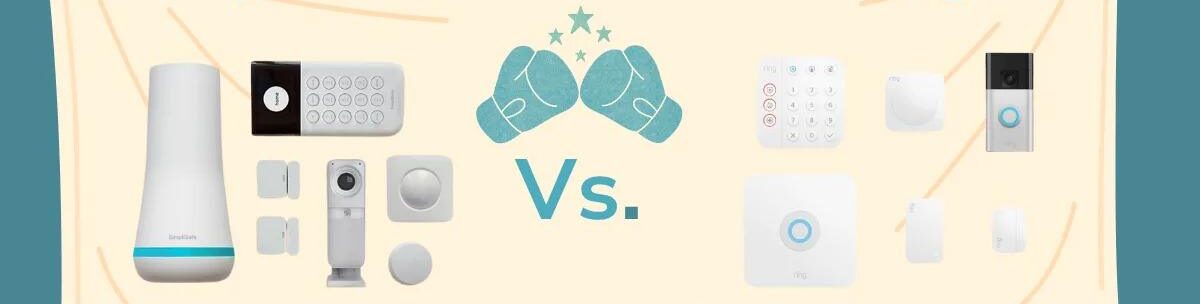
A homeowner moving into a new house today has more security options than ever before, and many begin by comparing simply safe with traditional home security systems. One option is a professionally installed alarm system that often includes technician visits, long-term contracts, and recurring monitoring fees. The other arrives in a box, can be installed in less than an hour, and starts protecting the home the very same day.
The decision between a DIY security system and a professionally installed provider goes beyond convenience. Both can help deter intruders, detect emergencies, and give homeowners greater peace of mind. However, they differ in several important areas, including upfront costs, installation methods, monitoring options, flexibility, and long-term ownership expenses.
Understanding these differences before investing hundreds—or even thousands—of dollars can make it much easier to choose the security solution that best fits your home, budget, and lifestyle.
Why This Comparison Matters in 2026

Home security has changed dramatically over the past decade.
Traditional alarm companies once dominated the market by providing professional installation and monitoring. Today, DIY security systems have become mainstream. Faster internet connections, smartphone apps, affordable sensors, and cloud-based monitoring have made self-installed systems far more practical.
Several industry trends are driving this shift:
- Increased adoption of smart homes
- Growing demand for contract-free services
- Lower equipment costs
- Better mobile app functionality
- More consumer control over monitoring
As a result, many homeowners compare SimpliSafe directly against traditional security providers before making a purchase.
What Is SimpliSafe?

The simply safe system is a DIY home security platform designed to provide professional-grade protection without requiring long-term contracts or professional installation.
How the System Works
The system uses a central base station connected to sensors placed throughout the home.
Common components include:
- Entry sensors
- Motion detectors
- Glass break sensors
- Smoke detectors
- Water leak sensors
- Indoor cameras
- Outdoor cameras
When a sensor is triggered, the base station can send alerts through the mobile app and, if monitoring is enabled, notify a professional monitoring center.
Equipment Options
Most homeowners start with a package designed for apartment, condo, or single-family home use.
Typical starter kits include:
| Equipment | Included |
| Base station | Yes |
| Keypad | Yes |
| Entry sensors | 2–4 |
| Motion detector | 1 |
| Panic button | Optional |
Larger homes often add:
- Additional sensors
- Extra cameras
- Environmental monitoring devices
Monitoring Plans
The simply safe monitoring model differs from many traditional providers.
Customers can generally choose between:
- Self-monitoring
- Professional monitoring
- Enhanced monitoring with camera verification
The ability to cancel monitoring without a long-term contract is one of the platform’s biggest selling points.
What Are Traditional Home Security Systems?

Traditional security systems usually involve a security company handling installation, setup, maintenance, and monitoring.
Examples include providers that send technicians to install equipment and often require service agreements.
Professional Installation
Most traditional systems begin with an in-home consultation.
A technician evaluates:
- Entry points
- Window placement
- Camera coverage
- Wireless signal strength
Installation may take several hours depending on property size.
Long-Term Contracts
Many traditional providers still use contracts ranging from:
- 24 months
- 36 months
- 60 months
Although contract-free options are becoming more common, agreements remain standard across much of the industry.
Monitoring Services
Monitoring centers operate around the clock.
When an alarm occurs:
- The monitoring center receives a signal.
- Operators attempt to contact the homeowner.
- Emergency responders may be dispatched.
This hands-off approach appeals to homeowners who prefer professional management.
Upfront Equipment Costs Compared

Equipment pricing is often the first major difference buyers notice.
Starter System Costs
A basic simply safe package generally costs between:
- $250–$500
A comparable traditional system may involve:
- Equipment fees: $300–$1,000
- Installation fees: $99–$300
Larger Home Costs
For a 2,500-square-foot home:
| System Type | Estimated Cost |
| DIY System | $600–$1,200 |
| Traditional System | $1,200–$3,000+ |
The gap grows when additional cameras and environmental sensors are added.
Many homeowners discover that the equipment savings alone can offset years of monitoring costs.
Monthly Monitoring Costs

Monthly service fees often determine the total cost of ownership.
simply safe Monitoring Costs
Professional monitoring typically ranges between:
- $20–$35 per month
Benefits may include:
- 24/7 monitoring
- Cellular backup
- Mobile app access
- Emergency dispatch
Because plans are flexible, users can often pause or cancel service if circumstances change.
Traditional Security Monitoring Costs
Traditional providers frequently charge:
- $30–$65 per month
Some premium plans exceed $70 monthly.
Additional charges may apply for:
- Video monitoring
- Smart home automation
- Cloud storage
- Equipment upgrades
Over five years, those differences can add up to several thousand dollars.
Installation and Setup Differences

Installation is another area where the two approaches differ substantially.
DIY Installation Experience
One reason many homeowners choose simply safe is convenience.
Most sensors use adhesive backing or simple mounting hardware.
Typical installation time:
- Small apartment: 30–60 minutes
- Average home: 1–2 hours
No electrician or technician is usually required.
For renters, this flexibility can be especially valuable.
Professional Installation Experience
Traditional providers handle everything.
Advantages include:
- Expert placement
- Professional testing
- Customized setup
Potential drawbacks include:
- Scheduling appointments
- Installation fees
- Longer setup process
Homeowners who prefer hands-off service often appreciate professional installation despite the extra cost.
Protection Features Compared

Security effectiveness matters more than pricing alone.
Intrusion Detection
Both systems can provide:
- Door sensors
- Window sensors
- Motion detection
- Glass break detection
Modern sensor technology has narrowed the performance gap significantly.
For basic burglary protection, many homeowners may notice little difference in day-to-day operation.
Fire and Smoke Protection
Advanced systems often support:
- Smoke alarms
- Heat sensors
- Carbon monoxide detectors
These features help extend protection beyond burglary prevention.
Water Leak Detection
Water damage can be extremely expensive.
Many modern systems support sensors that detect:
- Pipe leaks
- Water heater failures
- Basement flooding
Early alerts can prevent thousands of dollars in repair costs.
Smart Home Integration
Smart home compatibility continues to influence purchasing decisions.
Features may include:
- Smart locks
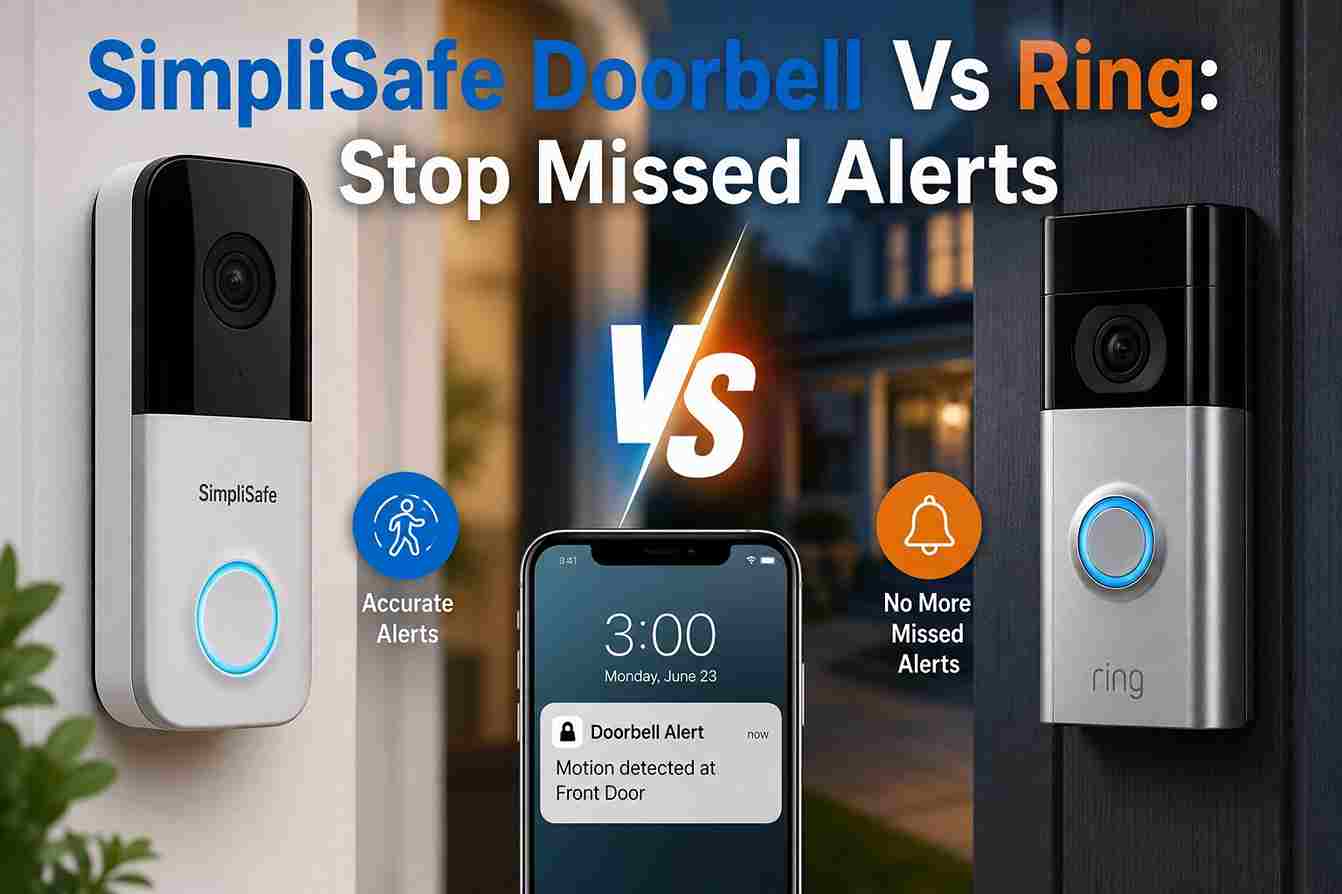
- Video doorbells
- Lighting automation
- Voice assistants
Traditional providers often offer broader automation packages, while SimpliSafe focuses primarily on security-first functionality.
Reliability During Internet or Power Outages

Homeowners frequently ask whether DIY systems remain dependable during outages.
The answer depends on system design.
Cellular Backup
Many security systems now include cellular communication.
If home internet fails, alarm signals can still reach monitoring centers.
This feature significantly improves reliability.
Battery Backup
Most modern systems contain backup batteries.
These batteries allow operation during temporary power failures.
Depending on the system, backup duration may range from several hours to multiple days.
Monitoring Continuity
Monitoring centers continue receiving signals as long as cellular communication remains active.
Whether choosing simply safe or a traditional provider, homeowners should confirm backup capabilities before purchasing.
Which System Is Easier to Expand Later?

Security needs rarely stay the same.
Families grow, homes change, and new risks emerge.
Adding Sensors
DIY platforms typically make expansion simple.
Homeowners can:
- Purchase sensors online
- Pair devices through the app
- Install components independently
Moving Homes
This is one area where simply safe often has a clear advantage.
Because equipment is portable, users can move the entire system to a new residence.
Traditional systems may require:
- Reinstallation fees
- New contracts
- Technician visits
Upgrading Equipment
Technology evolves quickly.
DIY systems generally allow gradual upgrades without replacing the entire security platform.
Hidden Costs Many Buyers Miss

Initial pricing does not always tell the full story.
Activation Fees
Some providers charge activation fees ranging from:
- $25–$100
These charges can surprise first-time buyers.
Installation Fees
Professional installation may cost:
- $99–$300+
Complex installations can cost even more.
Contract Penalties
Traditional agreements sometimes include early termination fees.
Breaking a contract before completion may result in substantial charges.
Equipment Replacement
Homeowners should also consider:
- Camera replacement
- Battery replacement
- Sensor upgrades
These expenses affect long-term ownership costs.
Best Choice for Different Homeowners

Different households have different priorities.
Renters
Renters often benefit from simply safe because:
- Installation is simple
- Equipment is portable
- Contracts are typically unnecessary
Moving becomes significantly easier.
First-Time Homeowners
Budget-conscious buyers may appreciate:
- Lower startup costs
- Easy setup
- Flexible monitoring
These factors help reduce upfront expenses.
Large Families
Large households often prioritize:
- Multiple sensors
- Extensive camera coverage
- Professional monitoring
Traditional providers may offer more customized solutions for complex properties.
Smart Home Enthusiasts
Homeowners deeply invested in automation may prefer providers with extensive smart-home ecosystems.
The best option depends on which connected devices are already installed.
Pros and Cons of simply safe

Advantages
- Lower upfront costs
- DIY installation
- No long-term contracts
- Portable equipment
- Flexible monitoring plans
Disadvantages
- Limited professional customization
- Self-installation required
- Fewer advanced automation features than some competitors
Pros and Cons of Traditional Security Systems

Advantages
- Professional installation
- Customized security plans
- Extensive smart-home integrations
- Ongoing technical support
Disadvantages
- Higher costs
- Possible contracts
- Installation fees
- Less flexibility when moving
Frequently Asked Questions
Is simply safe worth the money?
For many homeowners, yes. Lower equipment costs and flexible monitoring often make it one of the most affordable professionally monitored security options available.
Does simply safe require a contract?
No. Most plans operate on a month-to-month basis, allowing customers to cancel monitoring without long-term commitments.
Can traditional alarm systems work without internet?
Yes. Many systems use cellular backup connections that continue functioning even when internet service is unavailable.
Which system is better for renters?
DIY systems are usually better suited for renters because they can be installed without major modifications and moved easily.
Are professional security systems more reliable?
Not necessarily. Reliability depends on factors such as cellular backup, battery backup, equipment quality, and monitoring infrastructure.
Can I install simply safe myself?
Yes. Most homeowners can complete installation using basic tools and the guided setup process.
Final Verdict
Choosing between simply safe and a traditional home security system ultimately depends on budget, flexibility needs, and personal preferences.
For homeowners seeking lower upfront costs, simple installation, portability, and contract-free monitoring, simply safe offers a compelling solution. It provides strong protection features, professional monitoring options, and enough flexibility to adapt as security needs change.
Traditional systems remain attractive for homeowners who prefer professional installation, customized security planning, and broader smart-home integration. Although they often cost more over time, some households value the convenience of having security professionals manage every aspect of the setup.
Before making a decision, create a list of priorities that includes monitoring preferences, equipment needs, expected length of residence, and total budget. Comparing those factors against long-term ownership costs will help determine which security approach delivers the best protection for your home.

Leave a Reply