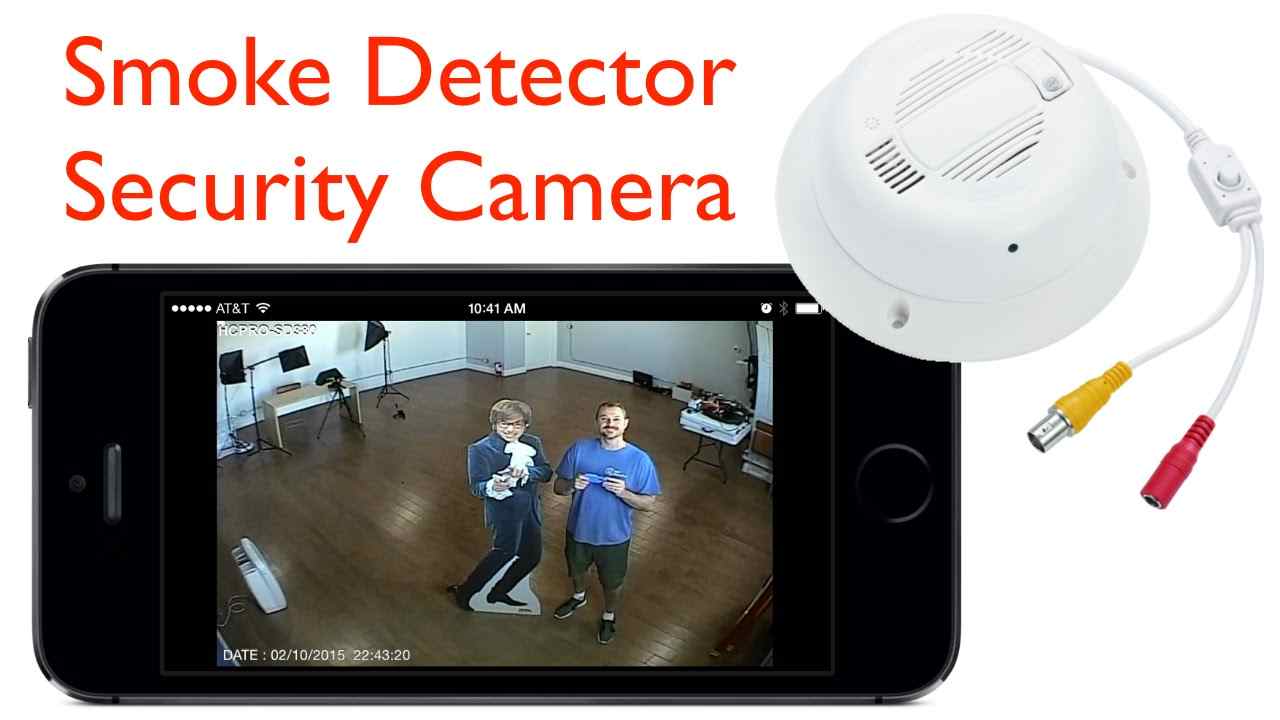
You check into a vacation rental after a long day of travel. The room looks clean, the reviews were excellent, and everything seems normal—until you notice a smoke detector mounted directly above the bed. Most people would never think twice about it. Yet news stories over the past decade have documented cases where hidden cameras were concealed inside everyday objects, including clocks, chargers, and devices designed to resemble smoke alarms. That possibility is why so many people search for information about a smoke detector camera.
Some are concerned about privacy while traveling. Others are researching surveillance products for legitimate security purposes. The challenge is that smoke-detector-style cameras exist in both legal and illegal forms. Some are marketed as security devices for business monitoring, while others have been misused to secretly record people without their knowledge.
Understanding how these devices work, where they are commonly found, and what warning signs deserve attention can help you separate realistic concerns from internet myths. It also helps homeowners, renters, and travelers make informed decisions about privacy and security.
What Is a Smoke Detector Camera?

A smoke detector camera is a camera system designed to resemble a standard smoke detector or to fit inside a housing that looks similar to one. Some models are fully functional smoke alarms with integrated monitoring capabilities. Others are simply camera housings disguised as ceiling-mounted detectors.
The goal is concealment. Since most people rarely inspect smoke detectors closely, they can provide an unobtrusive location for a camera lens.
However, not every device that resembles a smoke detector is suspicious. Many homes contain hardwired smoke alarms, interconnected alarm systems, carbon monoxide detectors, and smart home sensors that may look unusual but serve legitimate purposes.
The key distinction is whether the device performs a genuine safety function or exists solely to hide a camera.
Why Smoke Detectors Are Common Hiding Places
Several factors make smoke detectors attractive for camera placement.
First, they are usually mounted on ceilings, which provides a wide field of view. A ceiling location can cover an entire room with minimal obstructions.
Second, smoke detectors are common. People expect to see them in bedrooms, hallways, offices, hotels, and rental properties.
Third, many smoke alarms already have access to electrical wiring. A disguised surveillance device may be able to draw power from nearby circuits, reducing the need for frequent battery changes.
Because of these advantages, smoke-detector-style cameras have appeared in both legitimate security installations and illegal surveillance cases.
Legitimate Security Products vs Illegal Surveillance Devices
Not all concealed cameras are used unlawfully.
Businesses sometimes use discreet monitoring systems in warehouses, storage facilities, or restricted-access areas. In those situations, cameras are typically installed according to local laws and company policies.
Illegal surveillance is different.
A hidden camera becomes problematic when it records people in locations where they have a reasonable expectation of privacy. Bedrooms, bathrooms, changing rooms, and private sleeping areas are examples where concealed recording may violate privacy laws.
The same device can therefore be legal in one environment and illegal in another, depending on placement, disclosure, and applicable regulations.
How a Smoke Detector Camera Works

At its core, a smoke detector camera functions like most modern surveillance cameras. The main difference is the housing that conceals the technology.
Inside the unit, you will typically find:
- A miniature camera lens
- An image sensor
- A recording system
- A power source
- Wireless communication hardware in some models
The camera captures video and either stores it locally or transmits it to another device.
Camera Lens Placement
The most important component is the lens.
Manufacturers often place lenses behind tiny openings that blend into the detector’s design. Some lenses are hidden behind dark plastic panels. Others are positioned behind ventilation slots or decorative elements.
A genuine smoke alarm generally contains vents, test buttons, and indicator lights. A disguised camera may incorporate these features solely to appear authentic.
Because miniature lenses can be extremely small, visual identification sometimes requires close inspection.
Power Sources
These devices may operate using several power methods.
Battery-powered units are common because they are easy to install and relocate. Depending on usage, batteries may last weeks or months.
Hardwired models connect directly to electrical systems and can operate continuously without battery replacement.
Some advanced systems combine both approaches, using backup batteries during power outages.
Motion Detection
Many surveillance products use motion detection to conserve storage space.
Instead of recording continuously, the device begins capturing video when movement occurs within a defined area.
Motion-triggered recording offers several benefits:
- Reduced storage requirements
- Longer battery life
- Faster review of footage
- Fewer hours of unnecessary recordings
In residential settings, this feature can help identify unauthorized entry, package theft, or unusual activity.
Recording Methods
Video footage is generally stored in one of two ways.
Some devices save recordings directly onto memory cards.
Others upload footage to cloud-based systems where users can review recordings remotely through apps or web dashboards.
The storage method often affects cost, convenience, and privacy considerations.
Local Storage vs Cloud Storage
Local storage relies on physical memory cards installed inside the device.
Advantages include:
- No monthly subscription fees
- Greater control over stored footage
- Reduced internet dependency
However, footage may be lost if the device is stolen or damaged.
Cloud storage offers remote access and automatic backups.
Benefits include:
- Off-site recording protection
- Mobile viewing
- Easier sharing of footage
The downside is ongoing subscription costs and potential concerns about data privacy.
Wi-Fi Enabled Devices
Many modern surveillance systems connect to Wi-Fi networks.
A Wi-Fi-enabled smoke detector camera can transmit footage directly to a smartphone application, allowing users to monitor activity from virtually anywhere with internet access.
Wireless connectivity also enables features such as:
- Motion alerts
- Live video streaming
- Cloud recording
- Device management
- Software updates
However, not every hidden camera requires Wi-Fi. Some devices record exclusively to onboard memory and never connect to a network.
Where Smoke Detector Cameras Are Commonly Found

Understanding where these devices appear helps distinguish legitimate security installations from suspicious situations.
Residential Properties
Some homeowners install discreet monitoring systems to oversee entryways, common areas, or valuable possessions.
When used responsibly and legally, surveillance can help deter theft and provide evidence after incidents.
Visible cameras remain more common because they offer deterrence benefits that concealed systems often lack.
Offices and Commercial Buildings
Businesses frequently use security cameras to protect assets and monitor workplace safety.
In offices, cameras are generally installed in public areas such as:
- Reception areas
- Hallways
- Loading docks
- Warehouses
- Parking facilities
Most employers avoid concealed monitoring in private employee spaces because privacy laws may impose significant restrictions.
Warehouses and Storage Facilities
Large facilities often contain expensive inventory and equipment.
A concealed security camera may be used in conjunction with visible surveillance systems to investigate theft, inventory shrinkage, or unauthorized access.
These installations typically focus on operational security rather than employee monitoring.
Vacation Rentals
Vacation rentals receive substantial attention in online discussions about hidden cameras.
Most hosts follow platform rules and local laws. Nevertheless, isolated incidents have generated significant media coverage.
Travelers often become concerned when they notice devices positioned unusually close to sleeping areas or private spaces.
A detector mounted in a living room may be perfectly normal. One positioned directly above a bed naturally invites closer scrutiny.
Hotels
Major hotel chains generally maintain strict policies regarding surveillance.
Security cameras are common in public areas such as:
- Lobbies
- Parking lots
- Corridors
- Elevators
Guest rooms are a different matter.
Hidden recording inside guest accommodations can create serious legal consequences and reputational damage. Consequently, reputable operators invest heavily in compliance and oversight.
Illegal Surveillance Cases
Law enforcement investigations occasionally uncover hidden recording devices disguised as household objects.
Media reports have documented devices concealed inside:
- Smoke alarms
- Alarm clocks
- USB chargers
- Air purifiers
- Wall adapters
The common factor is concealment.
These cases highlight why consumers should understand what suspicious devices look like and how to respond appropriately when concerns arise.
How to Identify a Smoke Detector Camera

Finding a concealed device requires observation rather than panic.
Many ordinary smoke detectors contain lights, sensors, and openings that can appear unusual to someone unfamiliar with the design.
The goal is identifying genuine warning signs while avoiding false assumptions.
Check for Unusual Lens Openings
Start with a visual inspection.
Look for:
- Small circular glass openings
- Dark reflective spots
- Tiny pinhole-sized apertures
- Components that appear different from surrounding detectors
Compare the unit with other detectors in the building.
If one device looks significantly different from all others, it may warrant closer examination.
Look for LEDs or Reflection
Many camera lenses reflect light.
Turn off room lights if possible and use a flashlight at various angles.
A camera lens may produce a distinct reflection that differs from surrounding plastic surfaces.
Some devices also contain status LEDs. While indicator lights alone do not prove surveillance, unexplained blinking patterns may justify further investigation.
Inspect Placement and Orientation
Placement often provides useful clues.
Ask yourself:
- Why is the detector located there?
- Does its position make sense for fire safety?
- Is it aimed directly at a bed, shower, or seating area?
- Is it the only detector in the room?
Fire safety standards typically dictate practical detector placement. Devices installed in unusual positions deserve closer attention.
Use Your Smartphone to Detect Infrared Lights
Many cameras use infrared illumination for night vision.
A basic test involves a smartphone camera.
Steps:
- Turn off room lights.
- Open your phone’s camera app.
- Point the camera toward the detector.
- Look for unusual glowing purple or white lights.
Some smartphone cameras can detect infrared light that is invisible to the human eye.
This method is not foolproof, but it can reveal certain night-vision systems that might otherwise go unnoticed.
Legal Concerns Around Smoke Detector Cameras

The legality of a smoke detector camera depends far more on where it is used and how it records than on the device itself.
A camera placed openly in a warehouse may be completely lawful. The same device hidden inside a private bedroom could violate privacy laws and potentially lead to criminal charges.
Because laws vary by country, state, and municipality, property owners should always verify local regulations before installing any surveillance equipment.
When Security Cameras Are Legal
In general, surveillance is more likely to be legal in locations where people do not have a reasonable expectation of privacy.
Examples include:
- Retail stores
- Building entrances
- Office lobbies
- Parking lots
- Warehouse floors
- Shared common areas
Many businesses use cameras to improve security, investigate theft, and protect employees.
Even then, some jurisdictions require notice that surveillance is taking place.
Employers should also be careful when monitoring workers. Labor laws and privacy regulations may restrict how footage can be collected and used.
When Hidden Cameras Become Illegal
Problems typically arise when surveillance occurs in private spaces.
Examples often include:
- Bedrooms
- Bathrooms
- Hotel rooms
- Changing rooms
- Private rental accommodations
Courts frequently consider whether a person would reasonably expect privacy in that location.
Audio recording can create additional legal complications. In some areas, recording conversations without consent is subject to stricter regulations than video recording alone.
For example, a camera monitoring a front entryway may be lawful, while a hidden recording device inside a guest bedroom could trigger serious legal consequences.
Red Flags That Should Raise Suspicion

Not every unusual smoke detector contains a camera. However, certain warning signs deserve attention.
Odd Placement
Smoke alarms are normally installed according to fire safety guidelines.
A detector positioned directly above a bed, facing a shower, or mounted in an otherwise unusual location may warrant closer inspection.
Context matters. A properly placed alarm near a sleeping area is expected. A device installed solely to observe occupants is not.
Multiple Detectors in One Room
Most bedrooms contain one smoke alarm.
If a small room contains several nearly identical devices clustered together, ask why.
While some properties use multiple sensors for interconnected fire systems, unnecessary duplication can sometimes indicate something else is present.
A Detector That Doesn’t Match Others
Consistency is often overlooked.
Walk through the property and compare detectors.
Questions to ask include:
- Do they share the same design?
- Are they the same color?
- Do they appear equally aged?
- Does one look noticeably newer?
A single device that stands out from all others deserves additional attention.
Detector Positioned Toward Beds or Bathrooms
Fire alarms are designed to detect smoke, not watch people.
A device seemingly aimed at sleeping areas or private spaces should raise concerns, especially if the orientation appears deliberate.
Strange Wiring
Look for unusual cables, adapters, or modifications.
Suspicious signs may include:
- Exposed wiring
- Recently installed cable channels
- Nonstandard power connections
- Extra antenna components
These features do not automatically indicate surveillance, but they can justify a closer look.
Unexpected Blinking Lights
Many legitimate smoke alarms contain status indicators.
However, unusual flashing patterns, especially from locations that resemble lens openings, may indicate additional electronics inside the housing.
When several warning signs appear together, further investigation becomes more reasonable.
Are Smoke Detector Cameras Used for Home Security?

Yes, some homeowners and businesses use these devices as part of broader security systems.
The reasons vary.
Some owners want discreet monitoring. Others prefer equipment that blends into existing architecture.
However, visible cameras remain the preferred choice for most residential security applications.
Advantages
Potential benefits include:
- Less noticeable appearance
- Wide room coverage
- Ceiling-mounted perspective
- Reduced tampering risk
In certain situations, concealed monitoring may help identify theft or unauthorized access.
Drawbacks
Discreet surveillance also has limitations.
Common drawbacks include:
- Ethical concerns
- Privacy misunderstandings
- Reduced deterrence
- Potential legal complications
- Difficulty notifying visitors
Visible cameras often discourage misconduct before it occurs.
A concealed security camera typically records events after they happen rather than preventing them.
Ethical Considerations
Transparency matters.
Guests, tenants, employees, and visitors generally expect to know when monitoring is taking place.
Many security professionals recommend visible surveillance whenever possible because it balances safety with privacy expectations.
How to Protect Your Privacy When Traveling

Most travelers will never encounter a hidden camera. Nevertheless, a few simple precautions can provide peace of mind.
Hotel Room Checklist
When entering a hotel room:
- Check smoke detectors visually
- Look for unusual electronics
- Inspect alarm clocks and charging stations
- Examine mirrors and decorative objects
- Verify that devices appear consistent with the room’s design
Vacation Rental Checklist
Vacation rentals deserve additional attention because furnishings vary significantly between properties.
Consider checking:
- Bedroom ceilings
- Bookshelves
- TV stands
- Wi-Fi routers
- USB charging devices
- Air purifiers
- Smart home gadgets
Temporary Housing Checklist
For extended stays:
- Compare suspicious devices with manufacturer photos online
- Look for unusual lenses
- Use a flashlight inspection
- Check for infrared lights
- Ask property managers about unfamiliar equipment
Most importantly, trust observable evidence rather than internet rumors.
What to Do If You Discover a Hidden Camera

If you believe you have found a hidden camera, avoid acting impulsively.
Preserving evidence is often more valuable than immediately removing the device.
Step 1: Document the Scene
Take photographs from multiple angles.
Capture:
- Device location
- Room layout
- Nearby furnishings
- Wiring
- Visible markings
Documentation may become important later.
Step 2: Avoid Tampering
Do not dismantle the device immediately.
Removing components could accidentally destroy evidence or create disputes regarding what was found.
Step 3: Notify Property Management
If you are staying in:
- A hotel
- A vacation rental
- Corporate housing
- Student housing
Contact management promptly.
Request written documentation of the incident.
Step 4: Contact Authorities
If the device appears to be recording in a private area, law enforcement should be notified.
Investigators can determine whether laws have been violated and preserve evidence properly.
Step 5: Preserve Evidence
Keep copies of:
- Photos
- Videos
- Messages
- Rental agreements
- Communication records
These materials may help establish timelines and ownership.
Smoke Detector Camera Buying Considerations

Anyone considering surveillance equipment should prioritize legality and transparency.
A smoke detector camera should never be used to secretly monitor individuals in locations where privacy is expected.
Instead, focus on responsible security practices.
Consider:
- Local privacy laws
- Recording restrictions
- Visitor notification requirements
- Data storage practices
- Cybersecurity protections
Features worth evaluating include:
- Video resolution
- Motion detection accuracy
- Battery life
- Cloud storage options
- Mobile alerts
- Encryption standards
In many situations, a visible security camera provides a more ethical and practical solution.
FAQ
Can a smoke detector really contain a camera?
Yes. Some surveillance products are designed to resemble smoke detectors or fit inside detector-style housings. However, most smoke alarms do not contain cameras.
How can I tell if a smoke detector camera is recording?
Look for unusual lens openings, infrared lights, storage components, or network connectivity. Determining whether a device is actively recording often requires professional inspection.
Are smoke detector cameras legal?
They can be legal when used in appropriate locations and according to applicable laws. Hidden recording in private spaces is often subject to significant legal restrictions.
Can hidden cameras work without Wi-Fi?
Yes. Many devices record directly to memory cards or internal storage without connecting to any wireless network.
Do hotels use smoke detector cameras?
Reputable hotels generally use surveillance in public areas such as lobbies and hallways. Hidden recording inside guest rooms can violate laws and company policies.
What should I do if I find a hidden camera?
Document the device, avoid tampering with it, notify management, preserve evidence, and contact law enforcement if privacy laws may have been violated.
Conclusion
Understanding how a smoke detector camera works helps separate realistic concerns from online speculation. These devices typically use miniature lenses, motion detection technology, local storage, or wireless transmission to capture video while blending into familiar surroundings.
The biggest issues are not technological but legal and ethical. Surveillance may be appropriate in public or commercial environments, yet hidden recording in private spaces can create serious privacy violations and legal consequences.
When evaluating a suspicious device, focus on practical warning signs. Unusual placement, mismatched detectors, strange wiring, unexpected lights, and orientation toward private areas deserve closer attention.
For homeowners, travelers, and renters alike, the best approach is balanced awareness. Learn what legitimate smoke alarms look like, understand your privacy rights, and investigate concerns using evidence rather than assumptions. A few minutes of observation can often provide clarity while helping protect both safety and privacy.


Leave a Reply