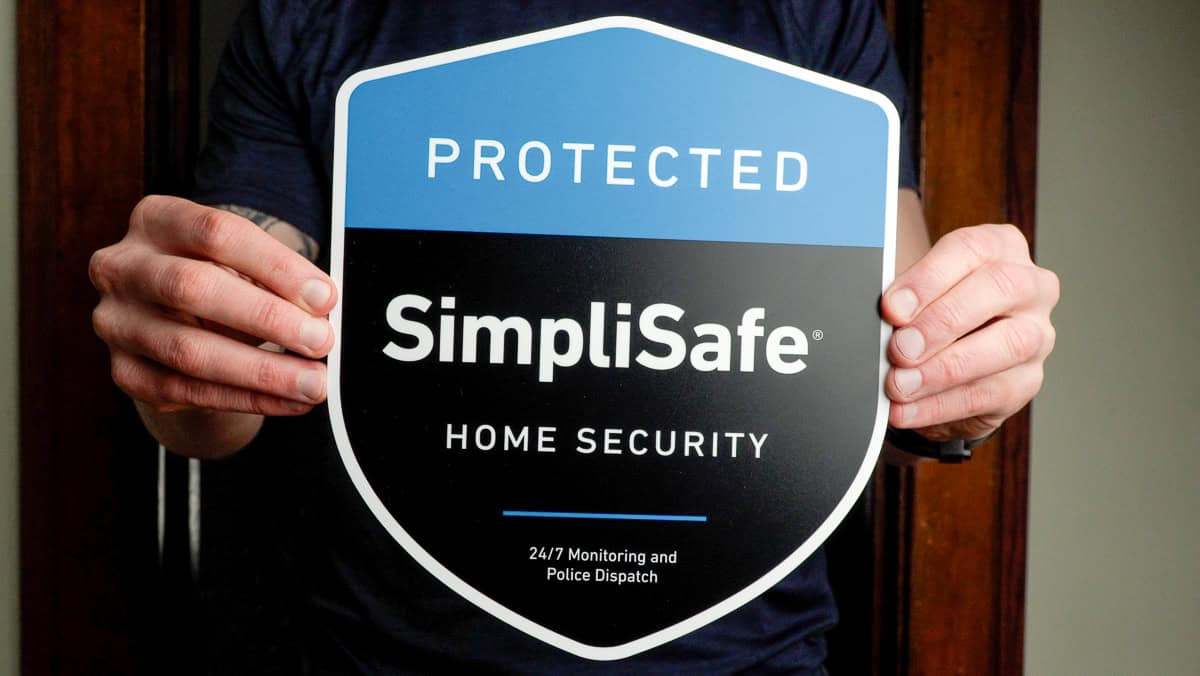
After the excitement of installing a security system fades, everyday life becomes the real test. The first few weeks reveal whether setup was easy. The first few months show how often you actually use the app. By the time a full year has passed, a different question emerges: does the system still work reliably without becoming a source of frustration? That is why many homeowners search for SimpliSafe reviews from people who have lived with the system for more than a few weeks.
Marketing materials can explain features, but long-term ownership reveals how sensors hold up, whether monitoring remains responsive, and how often false alarms occur. A twelve-month ownership period also covers seasonal changes, vacations, battery usage cycles, internet outages, and routine wear. These experiences provide a much clearer picture of what buyers can expect after installation.
This article examines SimpliSafe’s performance after one year, focusing on reliability, false alarms, monitoring quality, costs, and real-world user experiences.
What Changes After 12 Months of SimpliSafe Ownership

A security system often feels different after a year than it did on installation day. Initial impressions give way to practical observations.
Daily Reliability
Most users report that daily operation becomes second nature after several months. Arming and disarming routines become automatic, mobile notifications feel familiar, and household members learn how to avoid accidental triggers.
One common advantage of SimpliSafe is its straightforward interface. Unlike some professionally installed systems that require technician visits for minor adjustments, users can often modify settings themselves.
For apartment residents, daily reliability often centers on entry sensors and motion detectors. These components typically receive the most use because residents frequently enter and leave throughout the day.
Homeowners in larger properties tend to rely on multiple sensors spread across doors, garages, and windows. Long-term satisfaction often depends on whether all devices continue communicating consistently with the base station.
Many long-term SimpliSafe reviews mention that reliability remains strong when sensors are installed correctly, and batteries are replaced as recommended.
Hardware Durability
Hardware durability becomes more noticeable after twelve months.
Entry sensors are opened and closed hundreds or even thousands of times per year. Motion detectors operate continuously. Keypads receive repeated use from multiple household members.
Users commonly report that core hardware remains functional after one year without major degradation. Sensor adhesive strips may occasionally require replacement, particularly in regions with extreme humidity or temperature fluctuations.
For rental properties, this durability matters. Landlords and tenants often prefer systems that can be removed and reinstalled without extensive modifications.
Battery life varies based on device type and usage frequency. Many sensors continue operating for extended periods, though some components may require battery replacement during the first year.
Simplisafe Reviews: What Long-Term Users Commonly Report

Long-term ownership experiences tend to reveal recurring themes.
Positive Experiences in SimpliSafe reviews
A large percentage of positive feedback centers on ease of use.
Users frequently praise:
- Straightforward installation
- User-friendly mobile app
- Flexible monitoring options
- Reliable sensor performance
- Simple expansion with additional devices
Families often appreciate that children and older adults can learn the system quickly. Complicated security interfaces sometimes create confusion, but SimpliSafe’s simplified design appeals to users who want basic protection without a steep learning curve.
Another recurring benefit is flexibility. Homeowners can add cameras, sensors, and monitoring services without replacing the entire system.
People moving from one residence to another frequently mention this advantage because the equipment can move with them.
Recurring Complaints in SimpliSafe reviews
No security system receives universal praise.
Among recurring complaints, several patterns appear regularly:
- Occasional connectivity issues
- Delayed notifications during network interruptions
- Sensor placement challenges
- Subscription cost concerns
- Limited advanced automation compared to some competitors
Users with larger homes occasionally report signal-related challenges when sensors are installed far from the base station.
Others mention that achieving optimal performance sometimes requires experimenting with sensor placement.
A recurring theme in SimpliSafe reviews is that most frustrations stem from setup decisions rather than hardware failure.
Simplisafe Reviews and False Alarms After One Year

False alarms represent one of the biggest concerns for security system owners.
Common Causes Mentioned in SimpliSafe Reviews
False alarms rarely occur randomly.
Instead, they often result from identifiable issues:
- Improper sensor installation
- Pets triggering motion detectors
- User errors during arming or disarming
- Loose doors or windows
- Low battery warnings ignored for extended periods
For example, a family with a large dog may initially experience unexpected motion alerts. Adjusting detector placement or sensitivity settings often reduces these incidents.
Vacation properties create another scenario. A door exposed to strong winds may occasionally trigger alerts if the sensor alignment shifts slightly over time.
Industry observations suggest that user behavior contributes significantly to false alarm events across most home security systems—not just SimpliSafe.
How Users Reduce False Alerts
Experienced owners typically develop habits that minimize false alarms.
Effective strategies include:
- Testing sensors after installation.
- Reviewing event logs regularly.
- Replacing batteries promptly.
- Updating app settings.
- Training household members on system operation.
Many long-term SimpliSafe reviews emphasize that false alarms decrease substantially after the first few months as users become familiar with the system.
For households with pets, selecting pet-friendly motion sensor configurations can make a significant difference.
Simplisafe Reviews on Monitoring Service Performance

Monitoring quality often becomes the deciding factor when evaluating long-term value.
Emergency Response Experience
Professional monitoring is designed to provide an additional layer of protection beyond device alerts.
Users who experience genuine emergencies often focus on several factors:
- Speed of contact
- Accuracy of information
- Ease of communication
- Follow-through during incidents
Experiences naturally vary based on location, cellular connectivity, and emergency services availability.
In suburban areas, users commonly report smooth interactions during alarm verification processes. Monitoring personnel typically attempt contact before dispatching authorities unless emergency protocols require immediate action.
The true value of monitoring often becomes apparent during vacations when homeowners are away for extended periods.
App Notifications and Alerts
Mobile notifications play a critical role in modern security systems.
A delayed alert can reduce confidence in any system.
Most long-term users report consistent notification delivery under normal internet conditions. Alerts for door openings, motion events, and alarm activations generally arrive quickly.
Several SimpliSafe reviews highlight the usefulness of customizable notifications. Users can decide which events trigger alerts and which remain recorded within the app.
For busy families, this flexibility prevents notification fatigue while maintaining awareness of important activity.
Smart Home Integration After Long-Term Use

Modern homeowners increasingly expect security systems to work alongside other connected devices.
Alexa Integration
Alexa compatibility remains one of the more commonly used integrations.
Users often rely on voice commands to:
- Arm systems
- Check security status
- Receive updates
After twelve months, satisfaction often depends on reliability rather than novelty.
A voice assistant feature feels impressive during the first week. After a year, users care more about whether commands consistently work without errors.
Many long-term SimpliSafe reviews indicate that Alexa integration performs adequately for routine tasks, though some users wish for deeper automation capabilities.
Google Home Compatibility
Google Home users generally seek similar functionality.
Basic integration allows homeowners to incorporate security information into broader smart home routines.
For example:
- Activating nighttime routines
- Managing connected devices
- Checking system status
Some advanced smart home enthusiasts may find integrations more limited than highly customizable ecosystems.
For average homeowners, however, the available functionality often covers the most commonly used scenarios.
Cost Analysis After 12 Months

The financial picture becomes clearer after a year of ownership.
Initial Cost vs Ongoing Cost
One reason many consumers consider DIY security systems is cost control.
The initial investment generally includes:
- Base station
- Keypad
- Entry sensors
- Motion detectors
- Cameras (optional)
Monthly expenses depend largely on monitoring choices.
Some users begin with professional monitoring and later reassess whether they use enough features to justify recurring fees.
Others find that ongoing monitoring delivers peace of mind worth the additional expense.
Cost satisfaction often depends on expectations established before purchase rather than the actual dollar amount.
Is Professional Monitoring Worth It?
This question produces some of the most detailed SimpliSafe reviews available online.
For homeowners who travel frequently, professional monitoring can provide meaningful value.
For users who spend most of their time at home and actively monitor notifications themselves, the calculation may differ.
A practical example involves rental property owners. Monitoring can provide additional oversight when the property remains vacant between tenants.
The answer ultimately depends on risk tolerance, lifestyle, and property type.
simplisafe reviews: Who Should Consider SimpliSafe?

The ideal security system depends on the property, budget, and user expectations.
Best Use Cases According to SimpliSafe Reviews
Several situations consistently align well with SimpliSafe’s strengths.
Apartment Residents
Apartment dwellers often need a solution that avoids permanent modifications. SimpliSafe’s wireless setup and portability make it attractive for renters.
Single-Family Homes
Families looking for basic intrusion detection, mobile alerts, and optional professional monitoring frequently report positive experiences.
Rental Property Owners
Property owners can monitor vacant units between tenants and receive alerts regarding unusual activity.
Busy Families
Parents often appreciate receiving notifications when children arrive home from school or when doors open unexpectedly.
First-Time Security System Buyers
Beginners generally benefit from a straightforward setup process and intuitive controls.
These scenarios appear repeatedly throughout long-term SimpliSafe reviews, suggesting that the system performs best when ease of use is a primary priority.
Situations Where Another System Might Be Better
Certain users may benefit from exploring alternatives.
Examples include:
- Large luxury homes with extensive automation requirements
- Users seeking highly advanced AI surveillance features
- Businesses requiring commercial-grade monitoring
- Smart-home enthusiasts wanting deep automation integrations
For example, a homeowner with dozens of connected devices may prioritize automation flexibility over simplicity.
Likewise, commercial properties often require specialized monitoring capabilities beyond what many residential-focused systems provide.
The key is matching system capabilities to actual needs rather than selecting features that may never be used.
Final Verdict
After twelve months, SimpliSafe generally delivers what many homeowners expect from a modern DIY security system: dependable monitoring, straightforward operation, and flexibility.
The system’s strongest qualities remain ease of installation, accessibility, and day-to-day reliability. Most long-term concerns involve optimization issues such as sensor placement, notification preferences, or integration expectations rather than widespread hardware failures.
False alarms can occur, but they often decrease significantly once users become familiar with proper setup and operation. Monitoring services provide added reassurance for travelers, families, and property owners who want an extra layer of protection.
The most useful takeaway from long-term SimpliSafe reviews is that satisfaction tends to be highest among users seeking practical home security rather than advanced home automation. For apartments, single-family homes, rental properties, and beginner-friendly installations, SimpliSafe remains a competitive option after a full year of ownership.
Frequently Asked Questions
1. Is SimpliSafe still reliable after one year?
Most users report strong reliability after twelve months. Entry sensors, motion detectors, and keypads generally continue functioning without significant issues when properly maintained. Regular battery replacement and occasional system checks help maintain performance. Long-term ownership experiences suggest that reliability depends more on proper installation and maintenance than on hardware degradation. Most homeowners who follow manufacturer recommendations experience consistent daily operation throughout the first year.
2. How common are false alarms with SimpliSafe?
False alarms are usually linked to setup issues, user mistakes, or environmental factors rather than equipment failure. Common causes include poorly aligned sensors, pets triggering motion detectors, and incorrect arming procedures. Many users notice that false alarm frequency drops substantially after they become familiar with the system. Reviewing event logs and adjusting sensor placement often resolves recurring issues.
3. Is professional monitoring worth paying for?
The value depends on your lifestyle and risk tolerance. Frequent travelers often find professional monitoring valuable because someone is available to respond when they are away. Families may appreciate having an additional layer of security beyond smartphone alerts. Homeowners who remain on-site most of the time may place less value on monitoring. Evaluating how often you rely on monitoring features can help determine whether the recurring cost is justified.
4. How much does SimpliSafe cost after the first year?
The initial equipment purchase represents the largest upfront expense. Ongoing costs typically involve monitoring subscriptions, optional camera services, and occasional battery replacements. Most owners find annual maintenance expenses relatively manageable. The total cost depends on system size, monitoring plan selection, and whether additional devices are added throughout the year. Budget-conscious users often appreciate having flexibility in monitoring choices.
5. Is installation difficult for beginners?
Installation is generally considered one of SimpliSafe’s strongest features. Most components arrive preconfigured and require minimal technical knowledge. Wireless sensors can often be mounted quickly using adhesive strips or basic hardware. First-time users frequently complete installation without professional assistance. The setup process is usually guided through the mobile application, making it accessible even for homeowners with limited experience using security technology.
6. Does SimpliSafe work well with smart-home devices?
SimpliSafe supports several smart-home integrations, including compatibility with popular voice assistants. Basic functions such as arming systems, checking status, and receiving updates work well for many users. Those seeking highly advanced automation may find the ecosystem somewhat limited compared to specialized smart-home platforms. For typical homeowners, however, the available integrations often provide sufficient convenience for everyday use.
7. What maintenance does SimpliSafe require after a year?
Routine maintenance is relatively simple. Users should periodically check battery levels, test sensors, verify notification settings, and ensure devices remain securely mounted. Cameras may require occasional cleaning for optimal image quality. Reviewing activity logs and updating software when available also helps maintain performance. Most owners spend very little time on maintenance compared with traditional professionally installed systems.
8. Are there better alternatives to SimpliSafe?
Alternative systems may be better depending on specific needs. Users focused on extensive smart-home automation sometimes prefer platforms with broader integration capabilities. Commercial property owners may require business-oriented security solutions. Some homeowners prioritize advanced surveillance technology over simplicity. SimpliSafe remains a strong option for people seeking dependable residential security, easy installation, and flexible monitoring without excessive complexity.

Leave a Reply